Huawei Unveils All‑Chinese Kirin 9050 Pro Chip, Claims 55% Density Boost
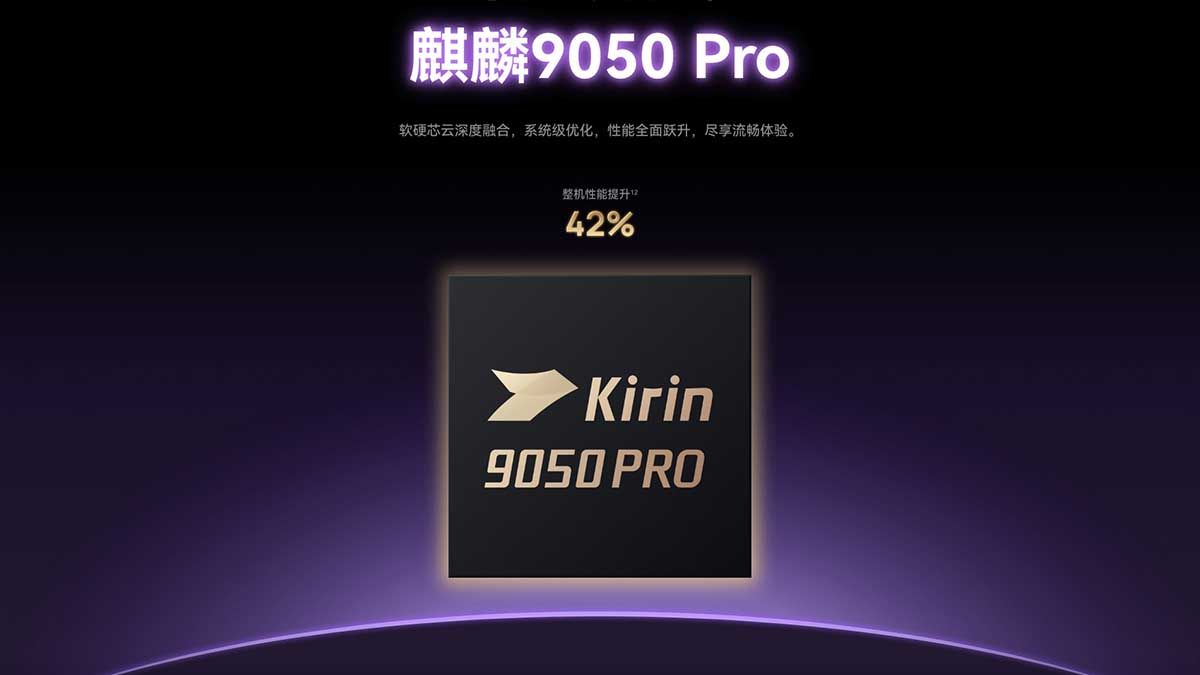
Huawei has announced its latest smartphone processor, the Kirin 9050 Pro, describing it as the most powerful chip the company has ever produced that contains no components sourced from the United States. The firm says the new silicon is built entirely with domestic materials and design, a claim that underscores its ongoing effort to achieve full supply‑chain independence amid longstanding trade restrictions.
The centerpiece of the Kirin 9050 Pro is a novel packaging technique that Huawei calls "fold‑and‑stack." Rather than shrinking the individual die, the company folds the silicon in half and stacks the layers, a method it says delivers a 55 percent increase in transistor density compared with its previous generation. This approach allows more computing units to occupy the same footprint, potentially translating into higher performance and better power efficiency for future Huawei smartphones.
Industry analysts note that while the chip’s architecture appears to be a significant engineering step, the broader claim of being completely free of US‑made parts is difficult to verify. Independent testing has shown that many advanced semiconductor processes still rely on equipment, intellectual property or design tools that originate outside China, including from U.S. firms. Huawei itself has acknowledged that some foreign technology remains embedded in its products, creating a nuanced picture of the chip’s true supply‑chain composition.
The announcement arrives at a time when Huawei is navigating a fragmented global market. Since the U.S. government placed the company on an export blacklist in 2019, Huawei has been forced to develop its own alternatives to components previously sourced from American suppliers. The Kirin 9050 Pro is presented as a milestone in that journey, signaling that the firm may soon be able to outfit flagship devices without relying on external sources that could be subject to future restrictions.
Looking ahead, Huawei has not detailed a specific rollout schedule for devices powered by the new processor, but industry watchers expect the chip to debut in the company’s upcoming premium smartphone line later this year. Observers will be watching how the chip performs in real‑world benchmarks and whether it can match or exceed the performance of competing processors that still benefit from a more globally integrated supply chain. The outcome could influence not only Huawei’s market position but also the broader strategic calculus of Chinese semiconductor firms seeking self‑sufficiency.


Comments (0)
Be the first to comment.
Join the discussion