Google Gemini’s ‘Spark’ Feature Brings Task Automation to Everyday Users
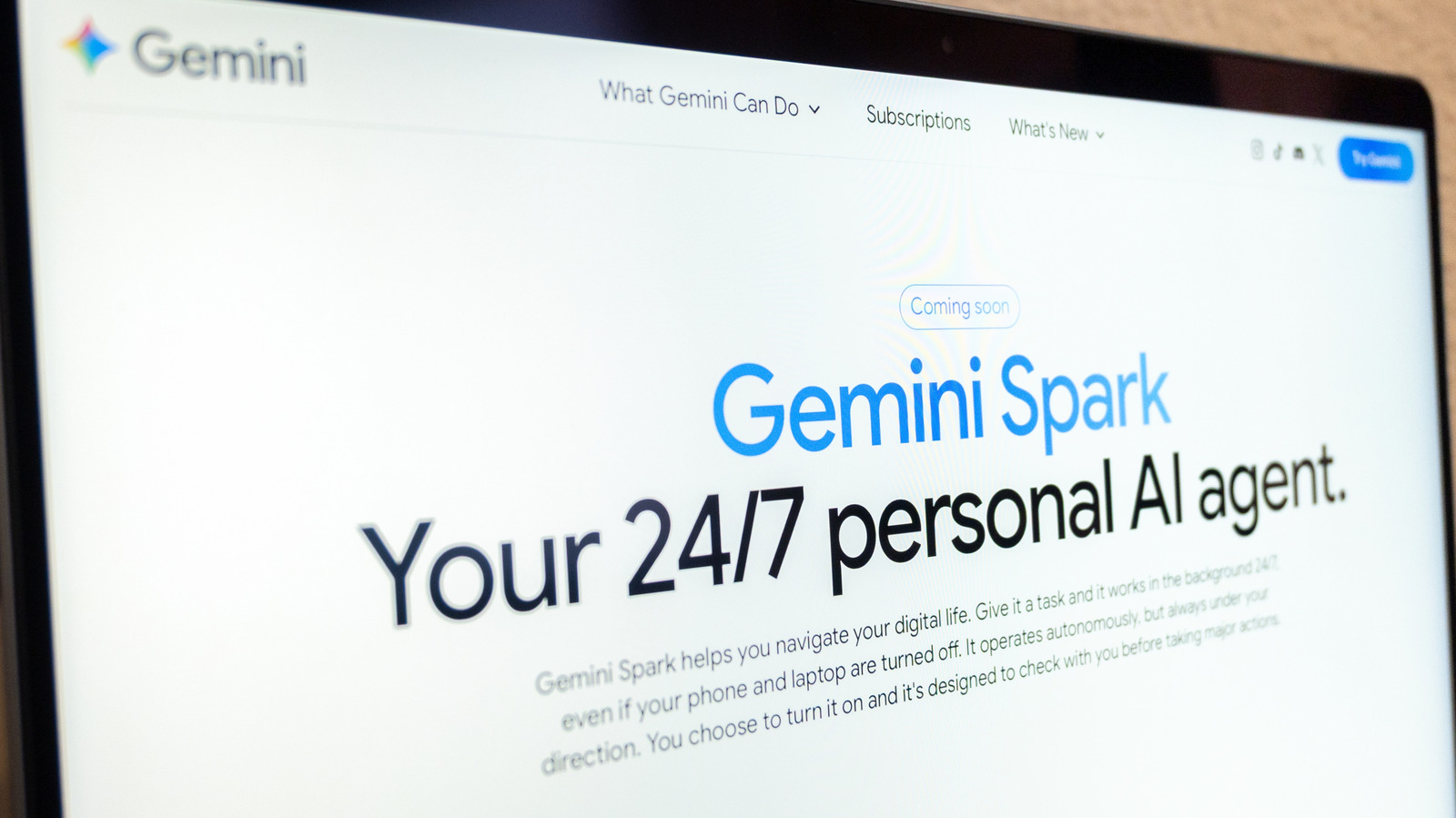
Google has introduced a new capability within its Gemini AI platform, dubbed Spark, that allows users to delegate routine digital tasks to the system through simple language prompts. The feature, highlighted in a recent Engadget report, aims to streamline workflows by handling actions such as scheduling, drafting messages, and extracting information without manual input.
Gemini, Google’s umbrella brand for its next‑generation generative AI models, builds on the company’s long‑standing investment in machine‑learning research. Spark extends this foundation by interpreting user instructions and executing them across compatible Google services, effectively acting as a virtual assistant that can operate on the user’s behalf.
According to the description provided, Spark processes natural‑language commands and translates them into concrete actions. For example, a user might ask the system to “set up a meeting with the marketing team next Thursday at 10 a.m.,” and Spark will locate an open slot, create a calendar event, and send invitations. The integration works with Gmail, Calendar, Drive, and other core Google apps, leveraging the same infrastructure that powers the company’s search and AI features.
Early adopters have reported that Spark can also summarize lengthy documents, generate quick email replies, and pull key data points from spreadsheets. By automating these repetitive steps, the tool promises to free up time for more strategic work, a benefit that aligns with broader trends toward AI‑enhanced productivity in both personal and professional contexts.
The rollout raises questions about data privacy and the accuracy of automated decisions. While Google emphasizes that Spark operates within the user’s existing permission settings and that data processing adheres to its established privacy policies, analysts note that broader adoption will likely spur scrutiny of how AI handles sensitive information and the potential for errors in task execution.
Looking ahead, Google appears poised to expand Spark’s capabilities, possibly opening the feature to third‑party developers and integrating it with more niche Google services. As the AI arms race continues, the success of Spark could influence how competing platforms approach task automation, shaping the next wave of user‑centric AI tools.



Comments (0)
Be the first to comment.
Join the discussion