How to Spot a Counterfeit GPU and Avoid Costly Scams
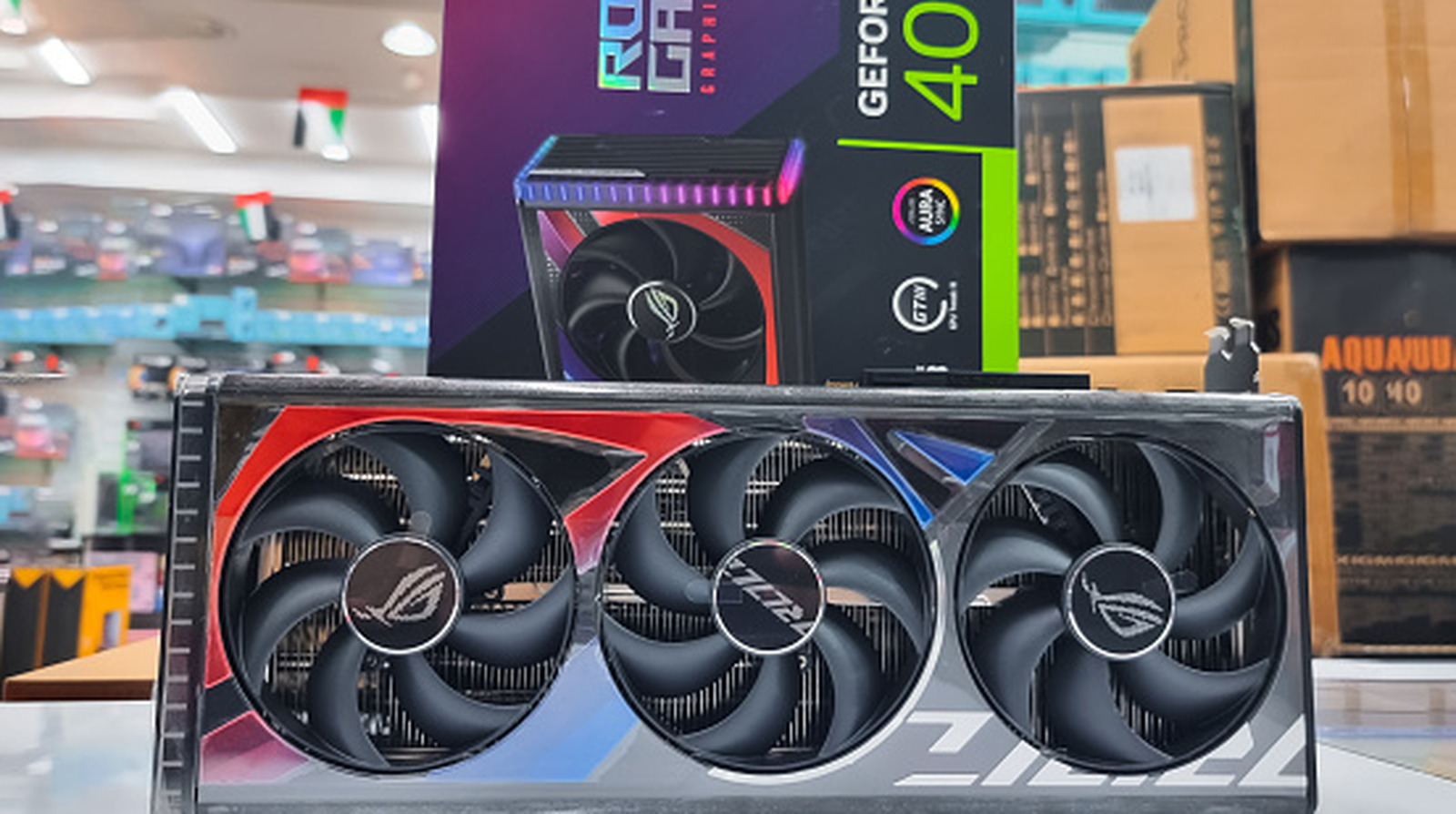
Consumers hunting for a graphics card upgrade are increasingly encountering fraudulent offers, prompting experts to issue a checklist of warning signs. With demand for high‑performance GPUs still outpacing supply, unscrupulous sellers are exploiting the market by advertising new‑generation cards at prices that seem too good to be true. The result is a surge in reports of buyers receiving hardware that either never arrives or arrives as a non‑functional knock‑off.
One of the most reliable indicators of a scam is a tracking number that never updates or shows delivery to an address the buyer never used. Scammers often generate counterfeit shipping data that appears legitimate at a glance, but the package never reaches the purchaser. In addition, listings that omit the manufacturer’s serial number, or provide a number that does not match the card’s printed label, should raise immediate suspicion.
Beyond shipping tricks, counterfeit GPUs frequently suffer from hardware defects that are hard to spot before installation. Missing or mismatched memory dies, altered BIOS firmware, and sub‑standard cooling solutions are common. These flaws can manifest as driver crashes, reduced performance, or the card simply refusing to boot. Tools such as GPU‑Z can reveal discrepancies between advertised specifications and the actual hardware, helping buyers catch inconsistencies early.
Consumer‑advocacy groups recommend several steps to verify a card’s authenticity. Buyers should compare the packaging, holographic seals, and serial stickers against images from the official manufacturer’s website. Purchasing through authorized retailers or directly from the brand’s own storefront dramatically reduces risk. If a deal is posted on a peer‑to‑peer marketplace, requesting detailed photos of the card, its serial number, and the original receipt can provide additional assurance.
The stakes are high because a fake GPU can represent a loss of several hundred dollars and, in some cases, expose users to malware embedded in rogue firmware. As the industry works to resolve supply constraints, regulators and e‑commerce platforms are under pressure to tighten verification processes and crack down on repeat offenders. Until broader safeguards take effect, vigilance remains the most effective defense for shoppers seeking a genuine graphics card.



Comments (0)
Be the first to comment.
Join the discussion