July's Luminous Buck Moon Poised to Grace Night Skies Next Week
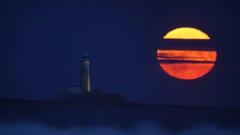
Stargazers and casual observers alike are preparing for a celestial spectacle as July's full Moon, traditionally known as the Buck Moon, is set to brilliantly illuminate the night sky in the coming days. This annual event offers a prominent viewing opportunity for those looking up.
The distinctive name, 'Buck Moon,' originates from Native American traditions and refers to a specific period in the natural cycle. July is typically the month when male deer, or bucks, are in the active phase of growing new antlers. These antlers grow rapidly during the summer months, making the name a fitting reflection of the season's wildlife.
A full Moon occurs when our natural satellite is directly opposite the Sun in its orbit, allowing its entire face to be illuminated from Earth's perspective. This alignment results in the Moon appearing as a perfect, luminous disc, typically the brightest and largest it will appear throughout its monthly cycle.
For those hoping to catch a glimpse of the Buck Moon, no special equipment is necessary. It will be visible to the naked eye, appearing particularly striking as it rises above the horizon shortly after sunset. During this time, the Moon can often appear larger and more vibrant due to an optical phenomenon known as the 'moon illusion,' where foreground objects trick the brain into perceiving it as bigger.
Beyond its visual appeal, the Buck Moon, like other traditionally named full moons, carries cultural significance, serving as a natural calendar for agricultural cycles and seasonal changes for centuries. Its dependable appearance has helped various cultures track time and anticipate shifts in the environment.
As it ascends into the night, casting its soft glow, the Buck Moon offers a moment for reflection on the rhythms of nature and our place within the cosmos. Observers are encouraged to find a spot away from city lights, if possible, to fully appreciate the Moon's splendor as it makes its anticipated appearance next week.


Comments (0)
Be the first to comment.
Join the discussion