Wellness Influencers Market Nicotine as a Performance Aid Amid Health Craze
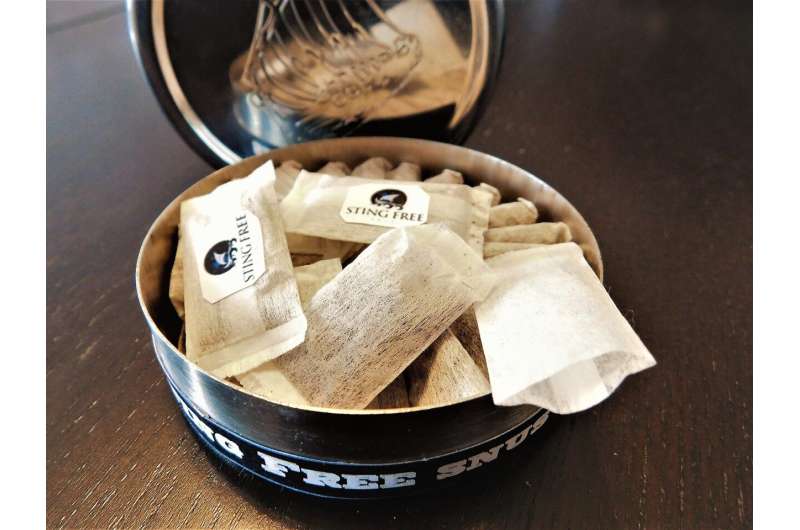
Across Instagram feeds, podcast episodes and startup pitch decks, nicotine is being recast as a tool for mental clarity, focus and overall wellbeing, a shift that runs counter to its long‑standing reputation as a highly addictive substance.
The rebranding effort is anchored in a broader "Make America Healthy Again" narrative that has taken hold among certain wellness circles. Influencers who once championed plant‑based diets, mindfulness practices and minimalist living are now promoting nicotine‑containing products—such as pouches, gums and vaping liquids—as a means to sharpen cognition, reduce stress and boost physical performance.
Proponents point to emerging research on nicotine's effect on attention and memory, citing studies that suggest low‑dose exposure may enhance certain cognitive tasks. They argue that, when used responsibly, nicotine can function similarly to caffeine or nootropic supplements, offering a legal, non‑prescription alternative for busy professionals and athletes seeking an edge.
Critics, however, warn that the narrative overlooks nicotine's well‑documented health risks and its capacity to foster dependence. Public‑health officials note that framing the drug as a "wellness" product can obscure the addictive potential, especially for younger audiences who are highly active on the platforms where these messages proliferate.
The movement has also attracted venture capital, with several tech‑focused startups developing sleek delivery devices and subscription services marketed as "smart" nicotine solutions. These companies often emphasize design, data tracking and personalized dosing, positioning their offerings alongside fitness trackers and meditation apps.
Regulators are beginning to take notice. While nicotine products remain legal for adult consumption in many jurisdictions, the surge in health‑oriented marketing may prompt tighter advertising rules and clearer labeling requirements. Observers suggest that the next phase of the debate will hinge on how quickly scientific findings on low‑dose nicotine are translated into policy, and whether the wellness industry will adjust its messaging in response to growing scrutiny.



Comments (0)
Be the first to comment.
Join the discussion