Teen Invents Low‑Cost DIY Solar Panel, Draws Nationwide Interest
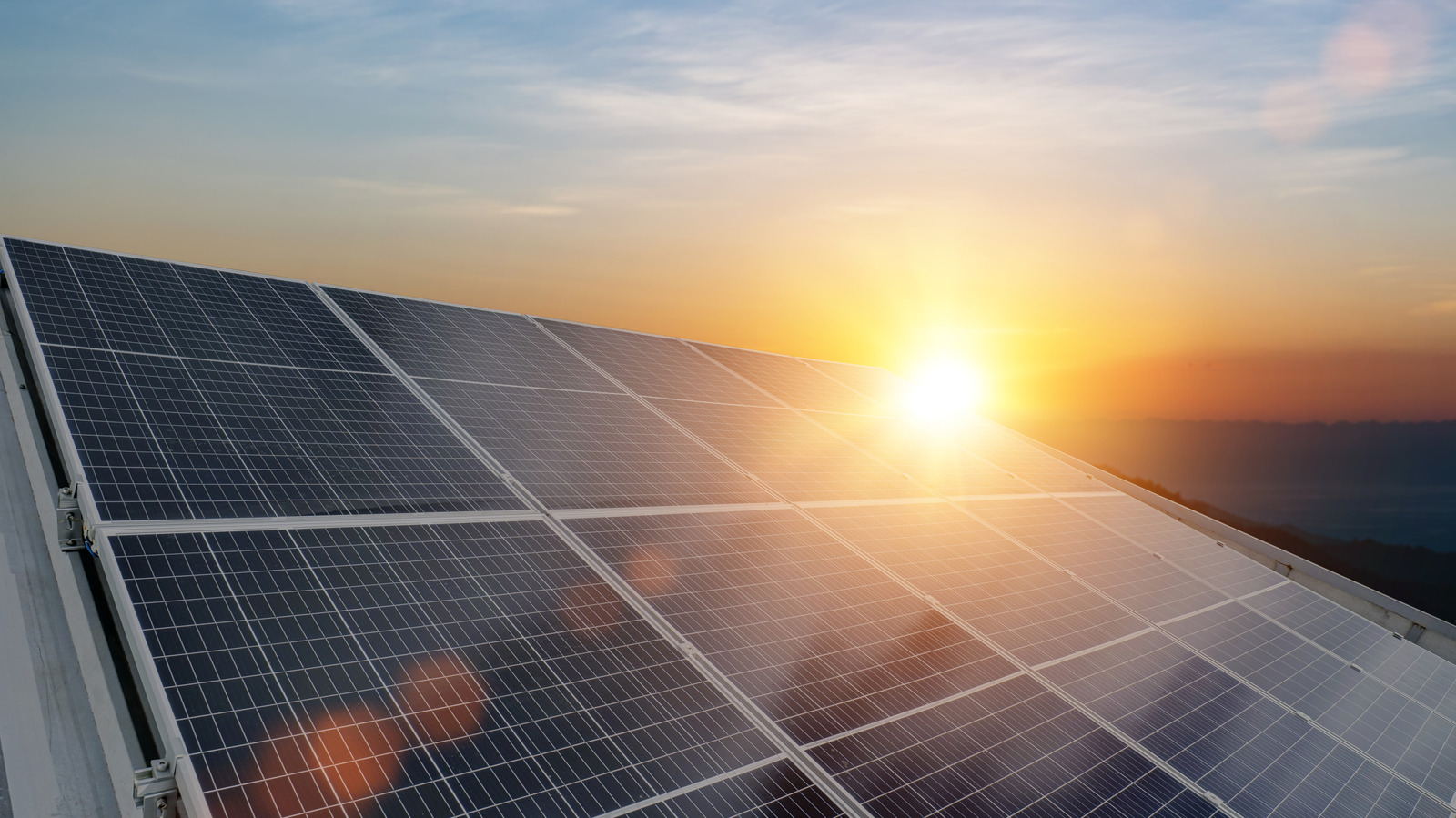
A 13‑year‑old has captured the nation’s attention with a home‑built solar panel that promises to address one of the technology’s most stubborn drawbacks: affordability.
The youngster’s design relies on inexpensive, widely available components and a straightforward assembly process, allowing anyone with basic tools to construct a functional panel without the price tag of commercial alternatives.
Conventional photovoltaic systems often remain out of reach for low‑income households because of high upfront costs, complex installation requirements, and the need for specialized equipment. By stripping the system down to its essential parts, the teen’s approach sidesteps many of these barriers, offering a potential pathway for broader adoption of clean energy.
Motivated by a personal fascination with renewable power, the teenager built a prototype in a home workshop, documenting each step on a public platform. The clear, step‑by‑step guide has already been downloaded thousands of times, prompting educators and DIY enthusiasts to experiment with the design themselves.
Media outlets and industry observers have taken note, highlighting the project as a rare example of youth‑driven innovation that could have real‑world impact. Engineers have begun reaching out to assess the panel’s performance metrics, while community groups see an opportunity to introduce solar power to schools and neighborhood projects.
The development arrives at a pivotal moment for the energy sector, as policymakers and investors alike stress the need for scalable, low‑cost solutions to meet climate goals. Accessible solar technology could accelerate the transition to renewable sources, especially in regions where traditional infrastructure is lacking.
Looking ahead, the teenager plans to refine the design, explore partnerships with nonprofit organizations, and possibly launch a small‑scale production run to test durability under varied conditions. Funding campaigns are already being discussed to support broader distribution and further research.
If the prototype proves viable at larger scales, it could reshape how communities think about energy independence, demonstrating that innovative ideas need not come from large corporations alone, but can emerge from the curiosity of a single young mind.



Comments (0)
Be the first to comment.
Join the discussion