Roman Engineers Mastered Long‑Distance Water Supply with Monumental Aqueducts
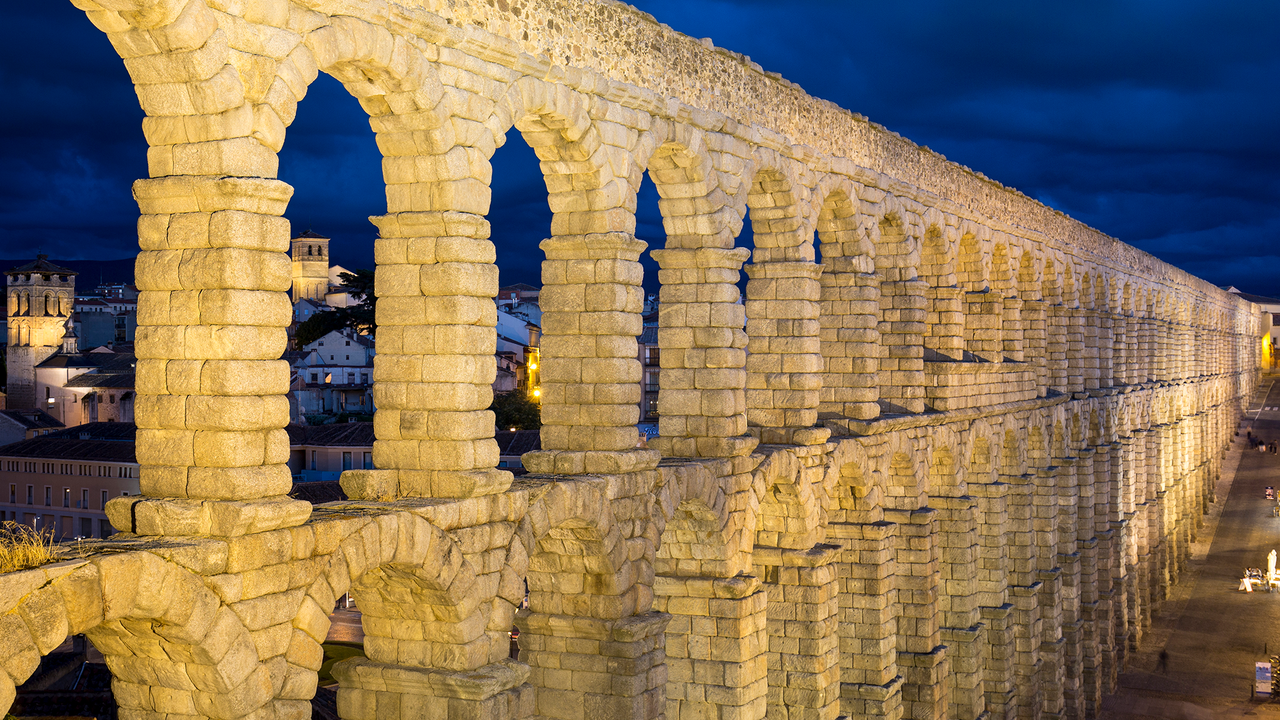
Roman engineers devised a network of aqueducts that delivered fresh water across vast distances, a feat that underpinned urban growth throughout the empire. The most striking examples stretched for hundreds of miles, channeling water from distant springs to bustling cities and military outposts.
One of the most ambitious projects was the Valens Aqueduct, which supplied the capital of the Eastern Roman Empire, Constantinople, with water drawn from sources roughly 250 miles away. The system combined elevated bridges, subterranean tunnels, and carefully graded channels to maintain a steady flow without modern pumps.
Construction relied on a combination of locally quarried stone, baked brick, and the famed Roman concrete known as opus caementicium. Builders erected a series of arches to span valleys, allowing the channel to remain level and protected from erosion. Where terrain required, they tunneled through hills or built siphons of lead‑capped pipes to cross depressions, demonstrating a sophisticated understanding of hydraulics.
The Romans surveyed routes using simple yet effective tools such as the groma and chorobates, ensuring gradients of only a few centimeters per meter—just enough to keep water moving while preventing damage from excessive speed. Labor was organized through a mix of skilled craftsmen, legionary soldiers, and local workers, coordinated by magistrates responsible for public utilities.
These aqueducts did more than provide drinking water; they supported public baths, fountains, and irrigation, contributing to public health and civic pride. Today, remnants of the Valens Aqueduct and other structures dot the landscapes of Europe and the Mediterranean, attracting tourists and scholars alike. Preservation efforts aim to safeguard these engineering marvels, reminding modern societies of the lasting impact of ancient infrastructure on urban development.


Comments (0)
Be the first to comment.
Join the discussion