Iran-linked Hack Forces UK Power Plant Offline for Four Days, Raising Global Infrastructure Concerns
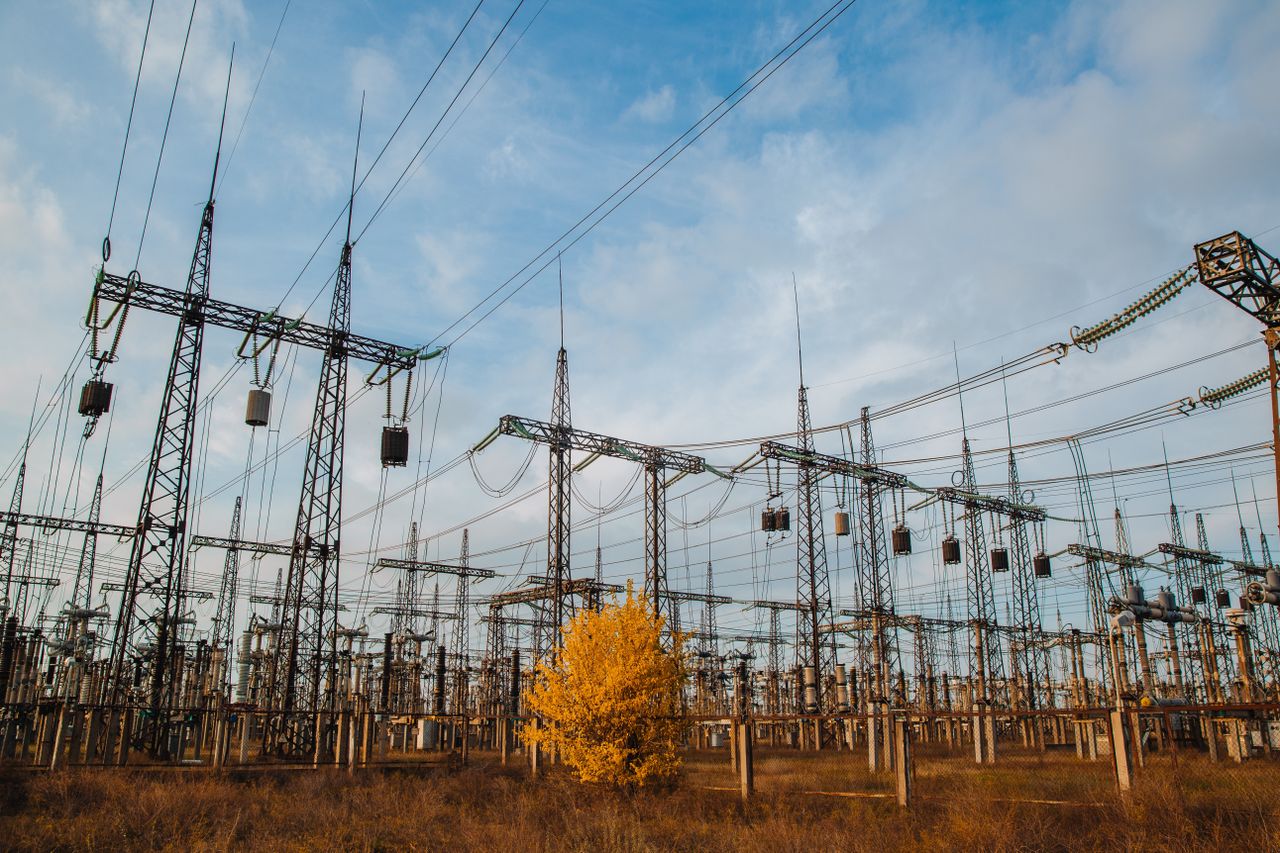
A high‑voltage generation facility in southern England was taken out of service for four consecutive days after a sophisticated cyber intrusion that investigators have linked to Iran, officials said on Tuesday. The outage, which coincided with an impending FBI alert about Iranian activity targeting U.S. critical systems, has reignited debate over the resilience of national energy grids against state‑sponsored hacking.
The plant, which supplies roughly 5 percent of the United Kingdom's electricity, experienced a sudden loss of control over its turbine management software on a Monday morning. Engineers were forced to isolate the unit and shift load to neighboring stations, prompting brief rolling blackouts in parts of the surrounding counties. Power was fully restored only after a coordinated effort involving the plant’s internal IT team, the National Cyber Security Centre, and external forensic specialists.
Britain's cyber‑security agency quickly attributed the breach to a group believed to operate under the auspices of Iran’s Islamic Revolutionary Guard Corps. The assessment is based on code fragments, command‑and‑control server addresses, and tactics that match previous attacks attributed to Tehran’s cyber‑warfare arm. Iranian officials have not commented, but the episode follows a pattern of increasingly aggressive digital operations aimed at strategic infrastructure in Europe and the Middle East.
Security experts say the incident underscores a growing vulnerability in power‑generation networks, many of which rely on legacy control‑system software that was not designed with modern cyber threats in mind. “Industrial control systems are the new battlefield,” noted Dr. Aisha Patel, a professor of cyber‑physical security at the University of Manchester. “When an adversary can manipulate turbine settings or shut down generators, the physical consequences can be immediate and severe.”
In response, the UK government has pledged accelerated upgrades to grid cybersecurity, including mandatory multi‑factor authentication for critical control interfaces and expanded funding for real‑time intrusion‑detection tools. Energy companies are also being urged to conduct comprehensive risk assessments and to segment operational technology networks from corporate IT environments.
The timing of the attack is noteworthy because the FBI is set to issue a formal warning later this week about Iranian attempts to infiltrate U.S. water, energy, and transportation systems. Analysts warn that the two incidents may be part of a coordinated campaign designed to test defensive postures across the Atlantic, exploiting the close interdependence of Western supply chains.
Looking ahead, officials from both sides of the pond are expected to convene a joint cyber‑security working group to share threat intelligence and develop coordinated response protocols. While diplomatic channels remain strained, the shared risk of widespread infrastructure disruption could push governments toward a more unified stance on cyber deterrence, analysts say.


Comments (0)
Be the first to comment.
Join the discussion