New Insights Into Cleopatra's Final Days After Actium Defeat
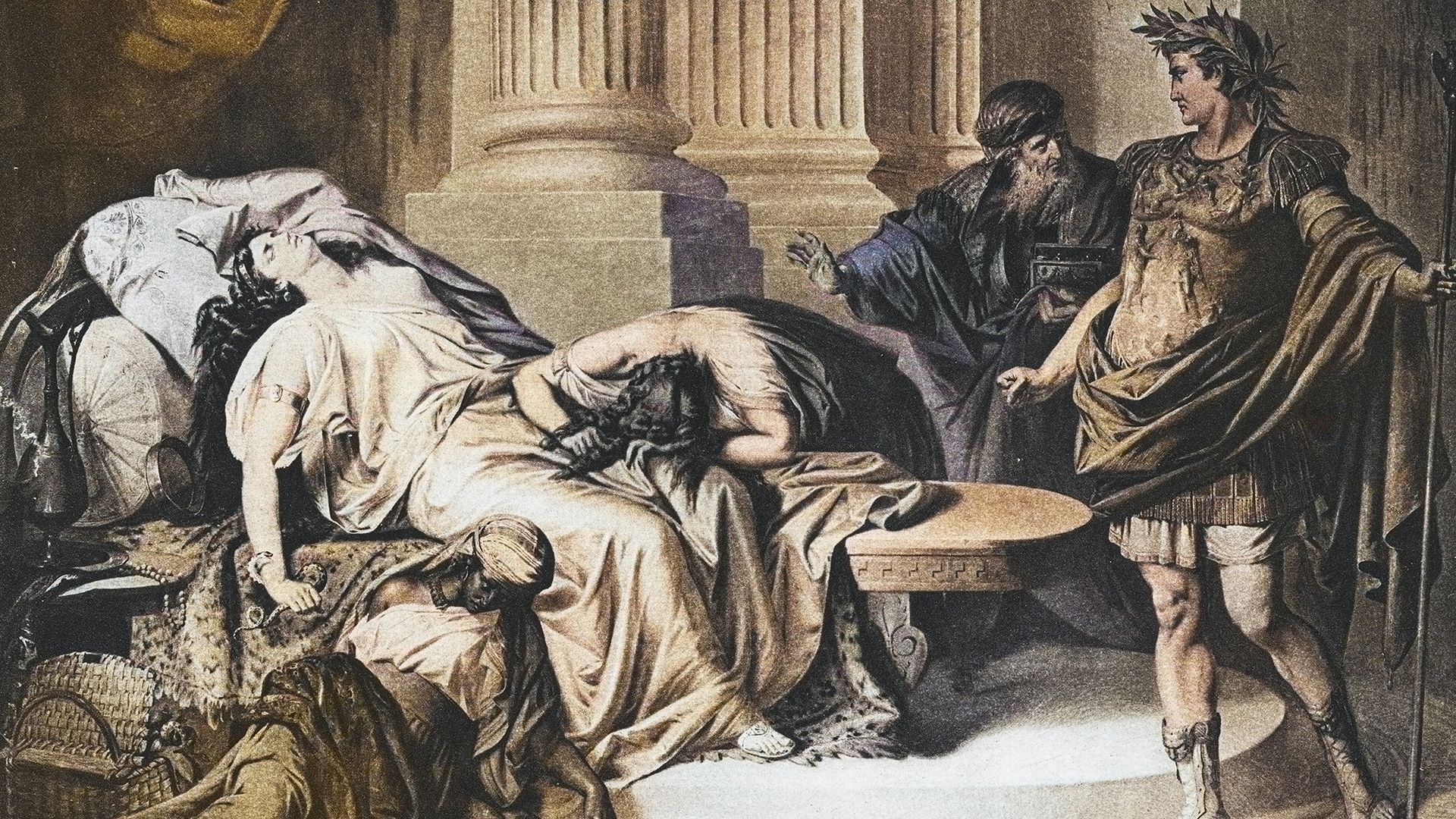
Egyptian queen Cleopatra VII's demise has long fascinated scholars, but recent examinations of ancient sources and archaeological clues suggest a more nuanced picture than the dramatized snake‑bite narrative.
In the autumn of 31 B.C., the forces of Cleopatra and her Roman partner Mark Antony suffered a decisive loss at the naval Battle of Actium, a clash that tipped the balance of power toward Octavian, the future emperor Augustus. The defeat forced the couple to retreat to Alexandria, where they faced mounting political pressure and the inexorable advance of Octavian's legions.
By the summer of the following year, Octavian's troops had encircled the city. Historical accounts indicate that Cleopatra negotiated terms that allowed her a measure of dignity, yet the exact nature of those terms remains debated. Some sources claim she was taken prisoner, while others suggest she chose exile. What is clear is that she was confined within the royal palace, cut off from allies and under close watch.
Traditional retellings attribute her death to a self‑inflicted bite from an asp, a story popularized by Roman historians seeking to dramatize the fall of a rival queen. Modern scholars, however, point out inconsistencies: the timeline of the alleged snake bite does not align with medical descriptions of venom effects, and contemporary Egyptian texts make no mention of a serpent. Instead, a few Roman writers hint at the possibility of poison administered by trusted attendants, a method that would have allowed Cleopatra to retain control over her final act.
Archaeological evidence from the supposed burial site adds another layer of complexity. Recent analysis of the tomb's construction and surrounding artifacts suggests a hurried interment, consistent with a death that was either unexpected or deliberately concealed. While no definitive forensic data exists—owing to the loss of the original remains—these findings support the theory that Cleopatra's death may have been orchestrated rather than accidental.
The enduring allure of the asp legend reflects broader themes of exoticism and moralizing in Roman literature, which often cast Eastern rulers as decadent and self‑destructive. By re‑examining the limited primary material with a critical eye, historians aim to separate myth from probable reality, acknowledging that Cleopatra likely chose a swift end to avoid humiliation under Roman rule.
Future research may focus on re‑evaluating the surviving papyri and numismatic evidence from the late Ptolemaic period, potentially shedding more light on the political negotiations that preceded her death. Until then, the queen's final moments remain a blend of documented events and enduring legend, illustrating how history can be reshaped by the narratives that survive.


Comments (0)
Be the first to comment.
Join the discussion