Hosepipe Ban Implemented Amidst Prolonged Dry Spell and Surging Water Demand
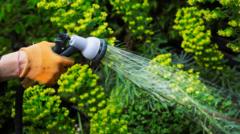
In response to persistent dry weather conditions and a significant increase in water consumption, a hosepipe ban has been put into effect across several regions. This measure aims to safeguard diminishing water reserves, which have been notably affected by recent heatwaves and insufficient rainfall, underscoring the strain on water infrastructure during periods of environmental stress.
The restriction specifically targets the use of hosepipes for non-essential outdoor activities. This typically includes watering gardens, filling swimming or paddling pools, washing private vehicles, and cleaning external hard surfaces such as patios or driveways. While the precise details of the ban may vary slightly depending on the local water provider, the overarching objective remains consistent: to reduce the overall demand on public water supplies.
The necessity for such a ban stems from a combination of meteorological factors. Extended periods of high temperatures not only accelerate evaporation from reservoirs and rivers but also lead to a surge in domestic water usage as households seek to cool down and maintain outdoor spaces. Concurrently, a deficit in natural precipitation means that these vital water sources are not replenishing at their expected rates, creating a critical imbalance between supply and demand.
Water management authorities continually monitor key indicators such as reservoir levels, river flows, and groundwater tables. When these measurements fall below predefined thresholds and future weather forecasts do not indicate a significant improvement in rainfall, the implementation of water restrictions, like a hosepipe ban, becomes a necessary step. These actions are designed to prevent more severe water shortages in the future and to ensure the continuity of essential services.
The current restrictions highlight broader challenges related to water security in an era characterized by changing climate patterns. As extreme weather events, including prolonged heatwaves and droughts, become more frequent, robust water management strategies are increasingly vital. This encompasses not only short-term demand management through bans but also long-term investments in infrastructure, leak detection, and public awareness campaigns on water conservation.
For residents living under the ban, adopting more water-efficient practices in daily life is encouraged. Simple adjustments, such as using watering cans instead of hosepipes for plants, taking shorter showers, and promptly repairing household leaks, can collectively contribute to conserving water. Public cooperation is crucial for the effectiveness of these measures and for mitigating the environmental impact of sustained dry conditions.
The duration of the hosepipe ban is dependent on a substantial improvement in weather patterns, specifically a prolonged period of rainfall that allows water levels in reservoirs and other sources to recover adequately. Until such conditions are met, water authorities will continue to assess the situation and provide updates, serving as a reminder of the precious nature of water and the collective responsibility to manage this essential resource sustainably.


Comments (0)
Be the first to comment.
Join the discussion