Honeybee Stinger Keeps Delivering Venom Long After the Bee Flees, New Study Shows
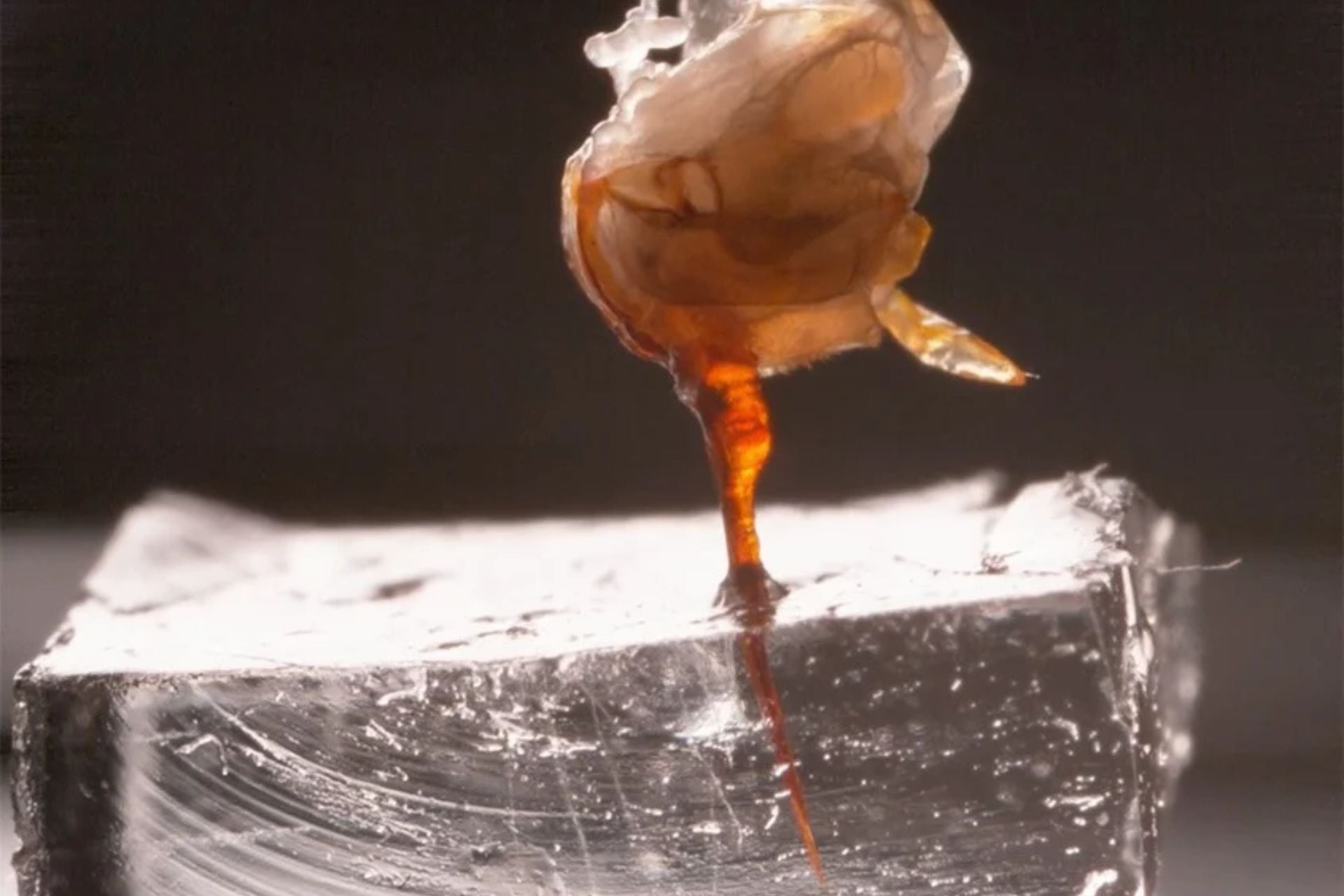
Researchers have captured, in unprecedented detail, the way a honeybee's stinger continues to pump venom even after the insect has detached from its target. Using ultra‑high‑speed imaging, the team recorded the tiny organ in action, revealing that the barbed apparatus remains active for several seconds, injecting additional toxin while the bee is already on its way back to the hive.
The experiment involved filming a live bee as it stung a prepared substrate, then slowing the footage to a frame‑by‑frame sequence. The analysis highlighted a miniature muscular pump linked to a reservoir of venom; once the stinger embeds, the pump contracts rhythmically, forcing more fluid through the narrow canal. The scientists noted that the pump operates autonomously, driven by stored energy, and does not require the bee’s nervous system to stay engaged.
This finding clarifies why some sting victims experience a surge in pain after the initial puncture. The continued flow of venom can exacerbate local inflammation and may influence the severity of allergic reactions. By mapping the mechanics, the study opens avenues for designing more effective antivenom delivery methods and could inspire micro‑scale medical devices that mimic the bee’s self‑propelling injection system.
Bee stings have long been understood as a defensive act, with the barbed stinger acting like a one‑way ticket that tears from the insect’s abdomen, often leading to its death. Evolutionarily, the extended injection likely improves the colony’s protection by delivering a larger dose of alarm pheromones and toxin to deter predators. The new data confirms that the sting’s lethality is not solely a result of the initial puncture but also of the lingering venom discharge.
Future work will aim to quantify how much additional venom is delivered during the post‑detachment phase and to explore whether similar mechanisms exist in other stinging insects. The researchers hope that a deeper grasp of this natural micro‑pump will inform both pest‑control strategies and biomedical engineering, turning a painful encounter into a source of scientific insight.


Comments (0)
Be the first to comment.
Join the discussion