Apple HomeView Takes on Amazon Echo Show in the Smart Display Arena
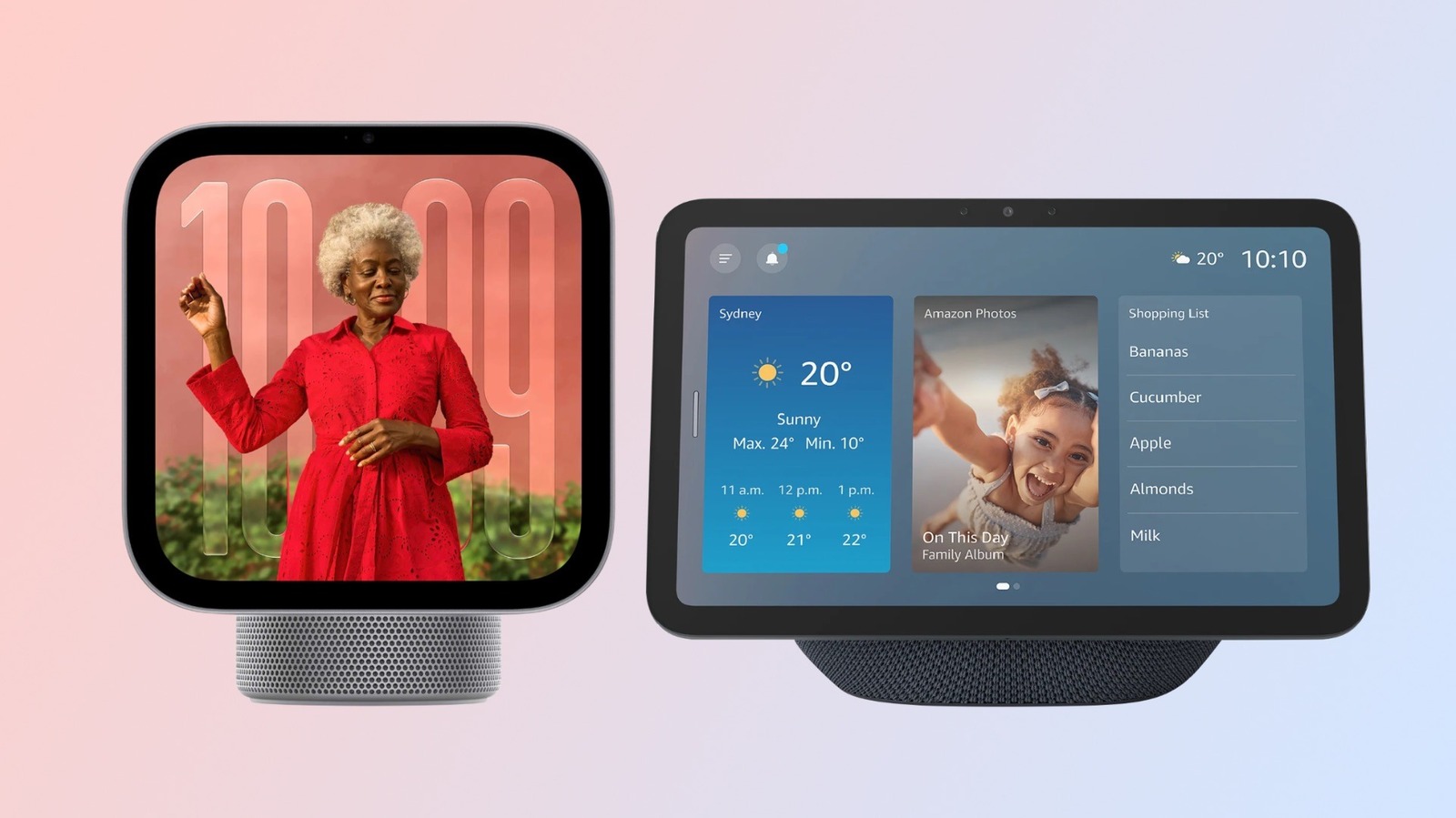
Apple's newly unveiled HomeView and Amazon's established Echo Show are both positioned as central hubs for voice‑controlled assistance, yet they diverge sharply in design philosophy, software integration and the way they handle user data.
Visually, the HomeView leans into Apple's minimalist aesthetic, featuring a sleek, frameless 10.2‑inch Retina‑grade screen that can swivel to accommodate different viewing angles. The Echo Show, by contrast, offers a more utilitarian look with a visible camera ring and a slightly bulkier 10.1‑inch LCD panel that emphasizes durability over elegance. Both devices include built‑in speakers, but Apple's model touts spatial audio tuned for the iPhone ecosystem, while Amazon highlights its adaptive sound that automatically balances volume based on ambient noise.
Under the hood, the two displays run distinct AI assistants: Siri on HomeView and Alexa on Echo Show. Siri leans heavily on contextual awareness drawn from the broader Apple ecosystem, allowing seamless hand‑off between iPhone, iPad, Mac and Apple Watch. Alexa, meanwhile, benefits from Amazon's expansive third‑party skill library, offering a broader range of voice‑activated services, from ordering groceries to controlling a wide variety of smart‑home brands. While both assistants can manage calendars, set reminders and answer queries, Siri’s responses tend to be more concise, whereas Alexa often provides richer, multi‑step interactions.
Integration with existing smart‑home devices also marks a point of contrast. HomeView is designed to work best with HomeKit‑compatible accessories, a choice that narrows the pool of compatible products but promises tighter security controls and encrypted communications. Echo Show embraces a more open approach, supporting a vast array of Zigbee, Z‑Wave and Wi‑Fi devices without requiring a separate hub. Privacy considerations reflect these philosophies as well: Apple emphasizes on‑device processing for many Siri requests and offers clear opt‑out options for data sharing, while Amazon provides granular privacy settings but processes a larger share of voice data in the cloud to power its extensive skill ecosystem.
Pricing and market positioning further differentiate the two. HomeView launches at a premium price point, reflecting its high‑end hardware and the brand’s focus on a seamless, privacy‑first experience for existing Apple users. Echo Show remains competitively priced, with frequent discounts that make it accessible to a broader audience seeking entry‑level smart‑home functionality. Analysts predict that the rivalry will push both companies to refine their hardware, expand third‑party support and enhance privacy disclosures, ultimately giving consumers more choices as smart displays become a staple in modern households.



Comments (0)
Be the first to comment.
Join the discussion