High-End iPhone Skips Feature That’s Standard on Budget Model, Users Notice
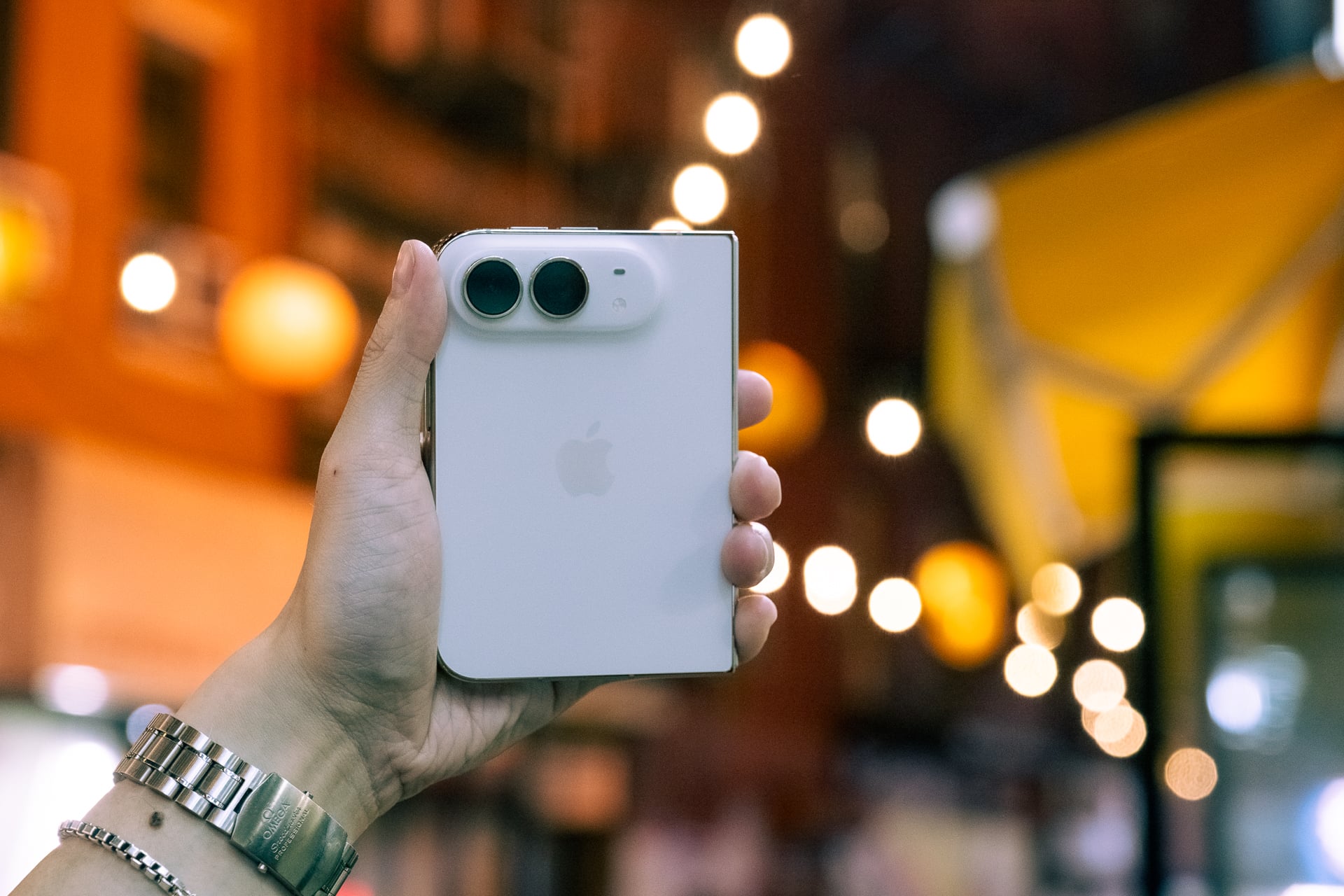
Apple’s flagship iPhone, the latest 15 Pro Max, has drawn criticism from users who discovered that it does not support a basic FaceTime capability that is already available on the budget‑friendly iPhone SE (2nd generation). The missing function – the ability to seamlessly switch from the front‑facing to the rear‑facing camera while a FaceTime call is in progress – is something many consumers consider essential for spontaneous video sharing.
The omission was first highlighted by technology bloggers who compared the two devices side by side. While the SE 2, released in 2020, allows callers to tap a button and instantly flip to the rear camera without ending the call, the newer premium handset requires users to end the session and start a new one to achieve the same result. The discrepancy has sparked debate about why a higher‑priced model would lack a feature that has become commonplace in video‑calling apps.
Apple has not publicly commented on the specific limitation, but analysts suggest that hardware or software design choices could be at play. The Pro Max’s more advanced camera system, which includes multiple lenses and a LiDAR scanner, may prioritize other functionalities, such as ProRAW photography and enhanced low‑light performance. Nonetheless, the trade‑off is evident to consumers who expect a seamless video‑calling experience across the entire iPhone lineup.
From a broader perspective, the issue underscores a growing consumer expectation that premium devices should not only excel in performance but also retain or improve upon the baseline features found in entry‑level models. When a flagship phone omits a capability that is already present in a $399 device, it raises questions about the consistency of Apple’s product strategy and the value proposition of its top‑tier offerings.
Industry observers note that the gap could influence buying decisions, especially among users who rely heavily on FaceTime for personal and professional communication. As remote work and virtual gatherings remain prevalent, the ability to quickly pivot the camera angle during a call is more than a convenience; it can affect the quality of collaboration and personal interaction.
Looking ahead, Apple may address the shortfall through a software update that enables camera switching on the Pro Max, or it could introduce the feature in future hardware revisions. In the meantime, consumers weighing the purchase of a new iPhone are likely to scrutinize feature parity across the lineup, weighing the premium price against the practical utilities each model delivers.



Comments (0)
Be the first to comment.
Join the discussion