Historic UK Biodiversity 'Time-Capsule' Linked to Darwin Set for Global Study
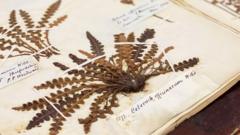
A remarkable collection of biological specimens, some bearing direct links to the pioneering naturalist Charles Darwin, is set to undergo extensive examination by scientists worldwide. Described as a "hidden time-capsule of UK biodiversity," these historical samples offer an unparalleled opportunity to delve into the natural world as it existed in a bygone era.
The significance of this collection stems from its ability to provide a unique snapshot of the United Kingdom's ecological landscape from a pivotal period in natural history. Its association with Darwin, whose groundbreaking work reshaped our understanding of life on Earth, further elevates its scientific and historical value. For years, these specimens have quietly preserved crucial data, now ready to yield their secrets.
While specific contents remain broad, such collections typically encompass a diverse array of preserved flora and fauna, meticulously gathered from various regions across the UK. These could include dried plant samples, insect collections, or small animal specimens, each offering a tangible piece of the country's biodiversity from centuries past. Their preservation over time has made them invaluable archives.
The upcoming global study promises to unlock a wealth of information. Researchers will likely investigate shifts in species distribution, potential genetic changes within populations, and the ecological impact of historical environmental conditions. By comparing these historical records with contemporary data, scientists hope to gain critical insights into long-term ecological trends and the resilience of natural systems.
Charles Darwin's monumental contributions to the theory of evolution by natural selection underscored the importance of meticulous observation and specimen collection. Any material directly connected to his era, or potentially even handled by him or his contemporaries, carries an immense weight of historical scientific context, providing a tangible link to the foundations of modern biology.
The term "unlocked" suggests that these specimens, perhaps long stored or cataloged in a less accessible manner, are now being made available through new initiatives or technological advancements. This accessibility will facilitate collaborative research efforts, allowing a broader international scientific community to engage with and learn from this unique historical resource.
The findings derived from this extensive study are expected to have far-reaching implications. They could inform current conservation strategies, help predict future ecological changes, and provide a clearer picture of how human activities and natural phenomena have shaped the UK's environment over time. Understanding the past is often key to protecting the future.
Ultimately, the study of these Darwin-linked specimens serves as a powerful reminder of the enduring value of historical collections. They stand not just as relics of the past, but as dynamic sources of data capable of advancing our scientific understanding and guiding our efforts to preserve biodiversity for generations to come.


Comments (0)
Be the first to comment.
Join the discussion