Why Proximity Sensors Are Essential to Modern Smartphones
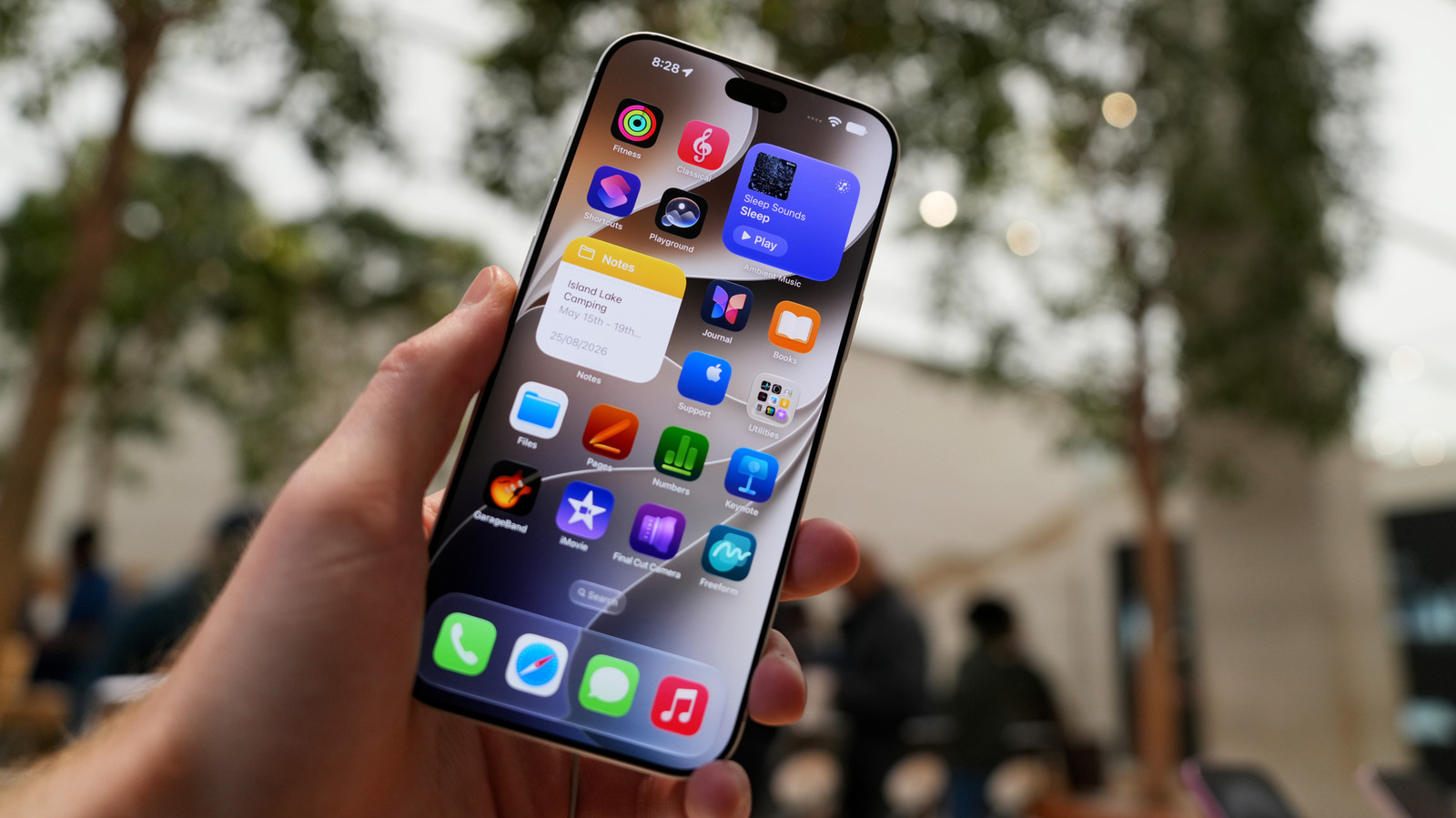
Smartphones rely on a hidden component that most users never see: the proximity sensor. Positioned near the front-facing camera, this tiny infrared emitter and detector work together to sense when an object, typically a user’s face, is close to the screen. When the sensor detects proximity, the device automatically disables the touchscreen and mutes the speaker, preventing accidental taps and unwanted audio during calls.
The sensor’s role extends beyond call etiquette. It powers features such as automatic screen dimming when the phone is placed in a pocket, assists in gesture‑based controls, and supports adaptive display technologies that adjust brightness based on how near the device is to the user’s eye. Without it, users would experience frequent interruptions, from accidental button presses while speaking to loud speaker output that could disturb nearby listeners.
Manufacturers embed proximity sensors in virtually all modern smartphones because they are inexpensive, low‑power components that deliver a noticeable improvement in user experience. The sensor’s infrared light is invisible to the eye, allowing it to function reliably in a range of lighting conditions, from bright daylight to dim indoor settings. This reliability is crucial for maintaining call quality and preventing the screen from staying active when it should be off.
Beyond everyday use, proximity sensors enable safety and accessibility functions. For example, some devices use the sensor to trigger “raise to wake” or “flip to mute” actions, reducing the need for manual interaction. In assistive technology, the sensor can help users with limited dexterity control their phone by providing simple, touch‑free commands. The loss of these capabilities would push developers to rely on more complex software solutions that consume more battery and may still fall short of the seamless experience the hardware provides.
Looking ahead, the proximity sensor is likely to remain a staple as smartphones evolve toward more immersive displays and foldable form factors. As screen sizes grow and bezel‑less designs become standard, the sensor’s ability to manage unintended touch inputs will be increasingly important. While future innovations may integrate the sensor’s function into other components, the underlying need for reliable distance detection will persist, ensuring that the humble proximity sensor continues to underpin many of the conveniences users now take for granted.


Comments (0)
Be the first to comment.
Join the discussion