Apple AirPods Price Evolution: From 2016 Launch to 2026 Lineup
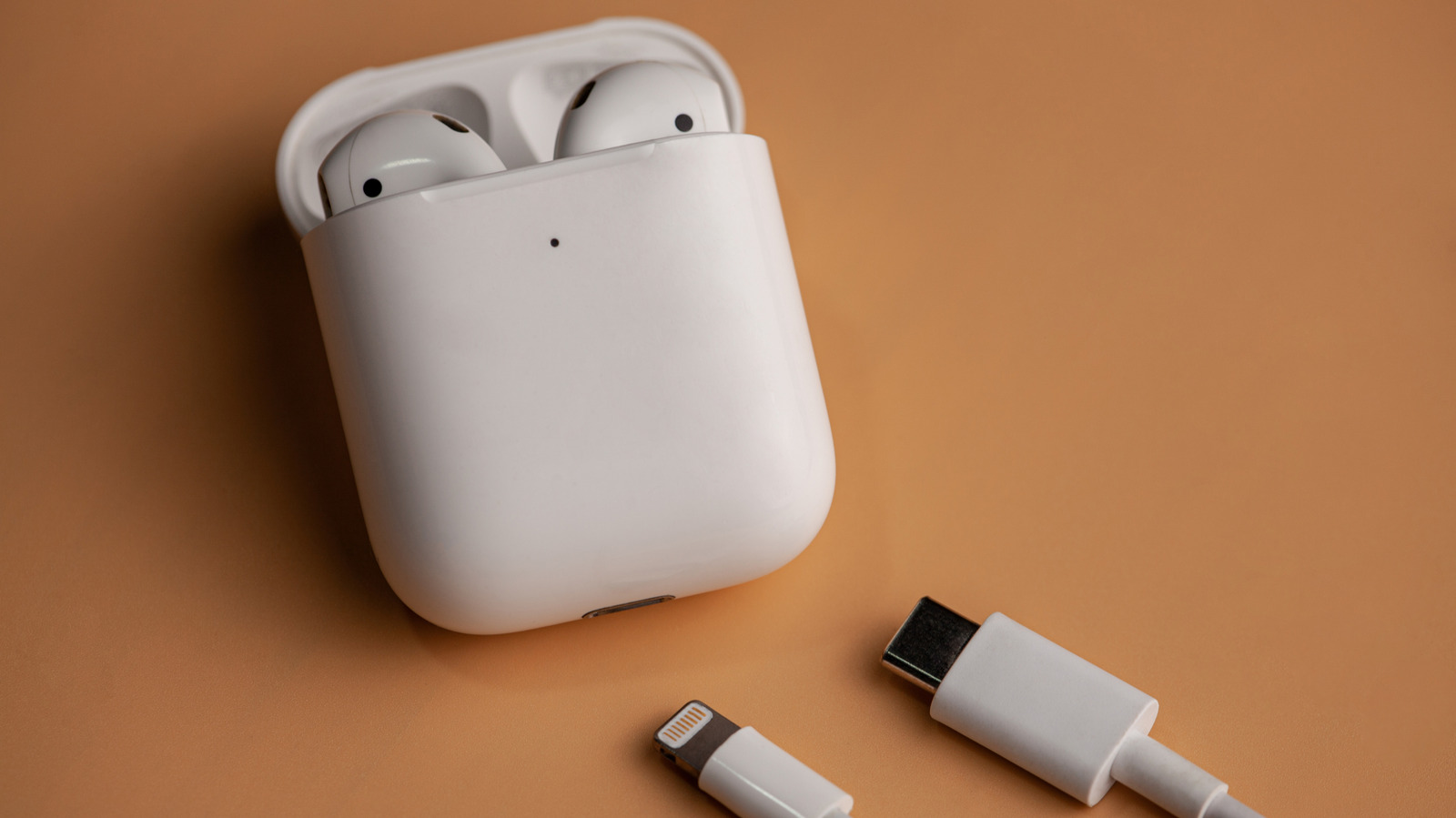
When Apple unveiled its first wireless earbuds in 2016, the original AirPods entered the market at a launch price of $159, positioning themselves as a premium alternative to the nascent true‑wireless segment. A decade later, the AirPods family has expanded to include multiple generations and form factors, prompting a fresh look at how those prices have shifted for consumers in 2026.
In the intervening years Apple introduced the AirPods Pro in 2019, priced at $249, and the over‑ear AirPods Max at $549. Each iteration added hardware upgrades—active noise cancellation, spatial audio, and custom Apple‑designed chips—while also expanding the ecosystem with features like Find My integration and sweat‑resistant designs. The latest 2023‑era AirPods (3rd generation) sit at $199, and the second‑generation AirPods Pro, released in 2022, maintain the $249 price point, reflecting a relatively stable premium tier.
Adjusted for inflation, the original $159 in 2016 is roughly equivalent to $190 in today’s dollars. By that measure, the current $199 price tag for the base AirPods aligns closely with inflation‑adjusted expectations, suggesting Apple has largely preserved its pricing philosophy despite the addition of advanced capabilities.
The high‑end AirPods Max, however, tell a different story. At $549 in both 2020 and 2026, the over‑ear model has not seen a nominal price increase, but when inflation is factored in, its real cost has effectively risen by about 10 percent. This modest premium may be justified by the Max’s larger drivers, spatial audio processing, and premium build materials, which continue to differentiate it from competitors in the high‑fidelity headphone market.
Market dynamics also influence Apple’s pricing strategy. The true‑wireless earbud segment has become crowded, with rivals offering comparable features at lower price points. Apple’s decision to keep entry‑level AirPods near the $199 mark reflects confidence in brand loyalty and the seamless integration of its devices, rather than a race to undercut competitors.
Looking ahead, analysts anticipate that Apple may introduce a lower‑cost AirPods variant aimed at price‑sensitive consumers, especially as Android manufacturers push sub‑$100 true‑wireless options. Conversely, the premium segment could see incremental price adjustments if Apple continues to embed more sophisticated sensors for health monitoring or introduces new spatial‑audio codecs.
For buyers, the takeaway is clear: while Apple’s AirPods have evolved dramatically in functionality, the headline price tags have remained relatively consistent when accounting for inflation. Consumers seeking the latest features can expect to pay roughly the same nominal amount they would have a decade ago, though the value proposition has improved thanks to longer battery life, enhanced sound processing, and deeper ecosystem integration.
Ultimately, the decade‑long price trajectory underscores Apple’s strategy of pairing incremental hardware upgrades with stable pricing, a formula that has helped the AirPods line become a mainstay in the personal audio market and a benchmark for premium wireless earbuds.



Comments (0)
Be the first to comment.
Join the discussion