Heat‑loving amoeba shatters temperature record for complex life
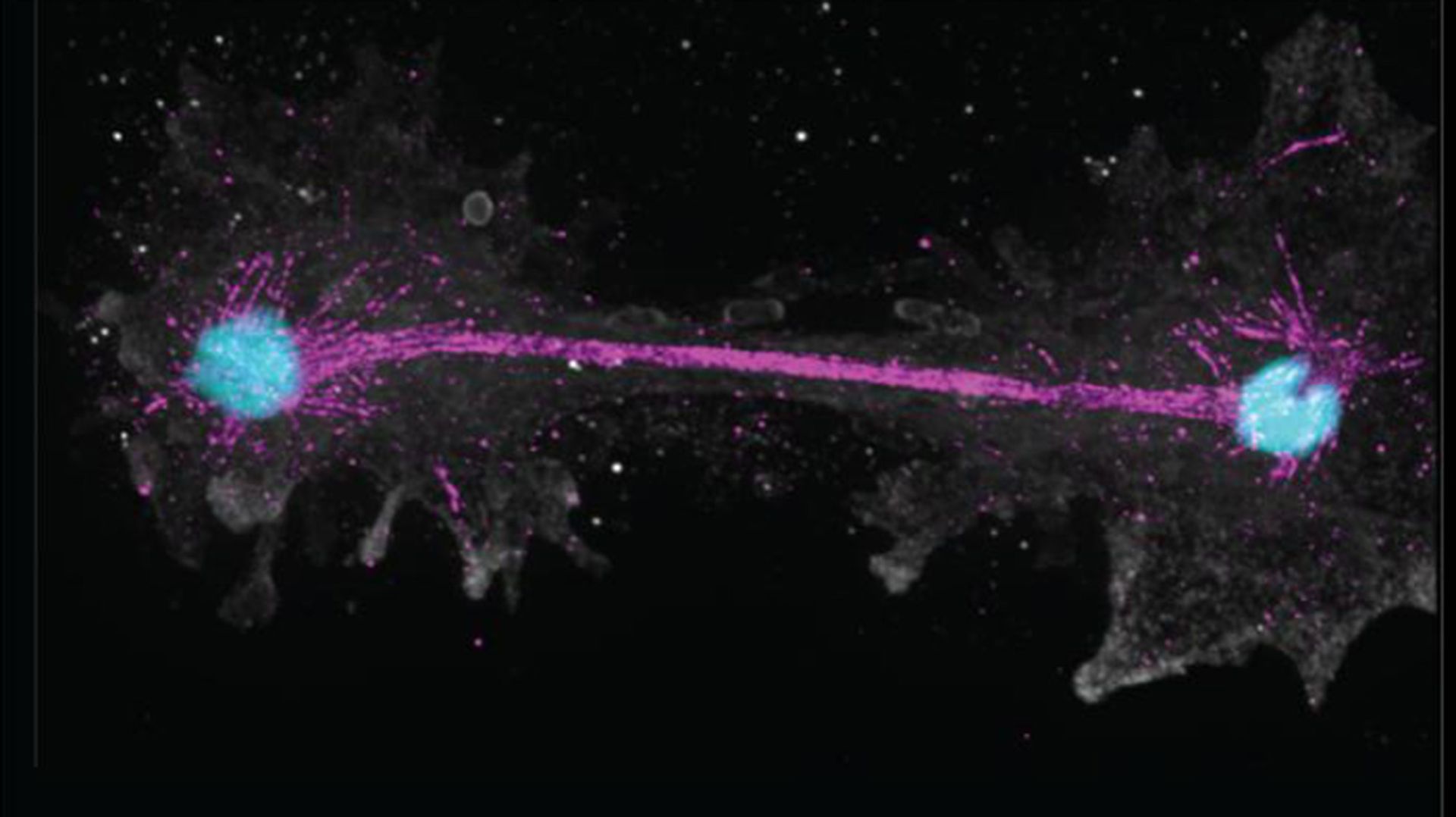
Scientists exploring geothermal soils in California's Lassen Volcanic National Park have identified a new species of amoeba that thrives at temperatures previously thought intolerable for eukaryotic organisms, establishing a new benchmark for the upper thermal limit of complex life.
The organism, named Incendiamoeba cascadensis, was isolated from hot, mineral‑rich sediments near a fumarole in the park's high‑altitude volcanic terrain. Its discovery adds a striking example to the roster of extremophiles, organisms that flourish in conditions hostile to most life forms.
Prior to this find, the warmest habitats known to support eukaryotic microbes—such as certain hot springs and hydrothermal vents—hovered around the mid‑40s Celsius. I. cascadensis demonstrated active metabolism and reproduction at temperatures exceeding 50 °C, a threshold that pushes the boundary for organisms with a nucleus and complex cellular structures.
Researchers emphasize that the amoeba’s resilience offers fresh insight into how cellular machinery can be stabilized under heat stress. Understanding these mechanisms could inform broader studies, from predicting how ecosystems might shift as global temperatures rise to guiding the search for life on other planets where extreme heat is a norm.
The team behind the discovery, led by microbiologists from several universities, plans to sequence the amoeba’s genome to pinpoint genetic adaptations responsible for its heat tolerance. They also intend to test its limits in controlled laboratory settings, assessing whether it can endure even higher temperatures or withstand rapid temperature fluctuations typical of volcanic environments.
While the find is a reminder of nature’s capacity to push biological limits, it also underscores the importance of preserving geothermal sites that serve as natural laboratories. As climate change and human activity alter these fragile habitats, the window to study such unique life forms may narrow, making each new discovery all the more valuable for expanding our understanding of life's adaptability.


Comments (0)
Be the first to comment.
Join the discussion