New Clinical Guidelines Target the Heart‑Kidney Connection to Cut Disease Risk
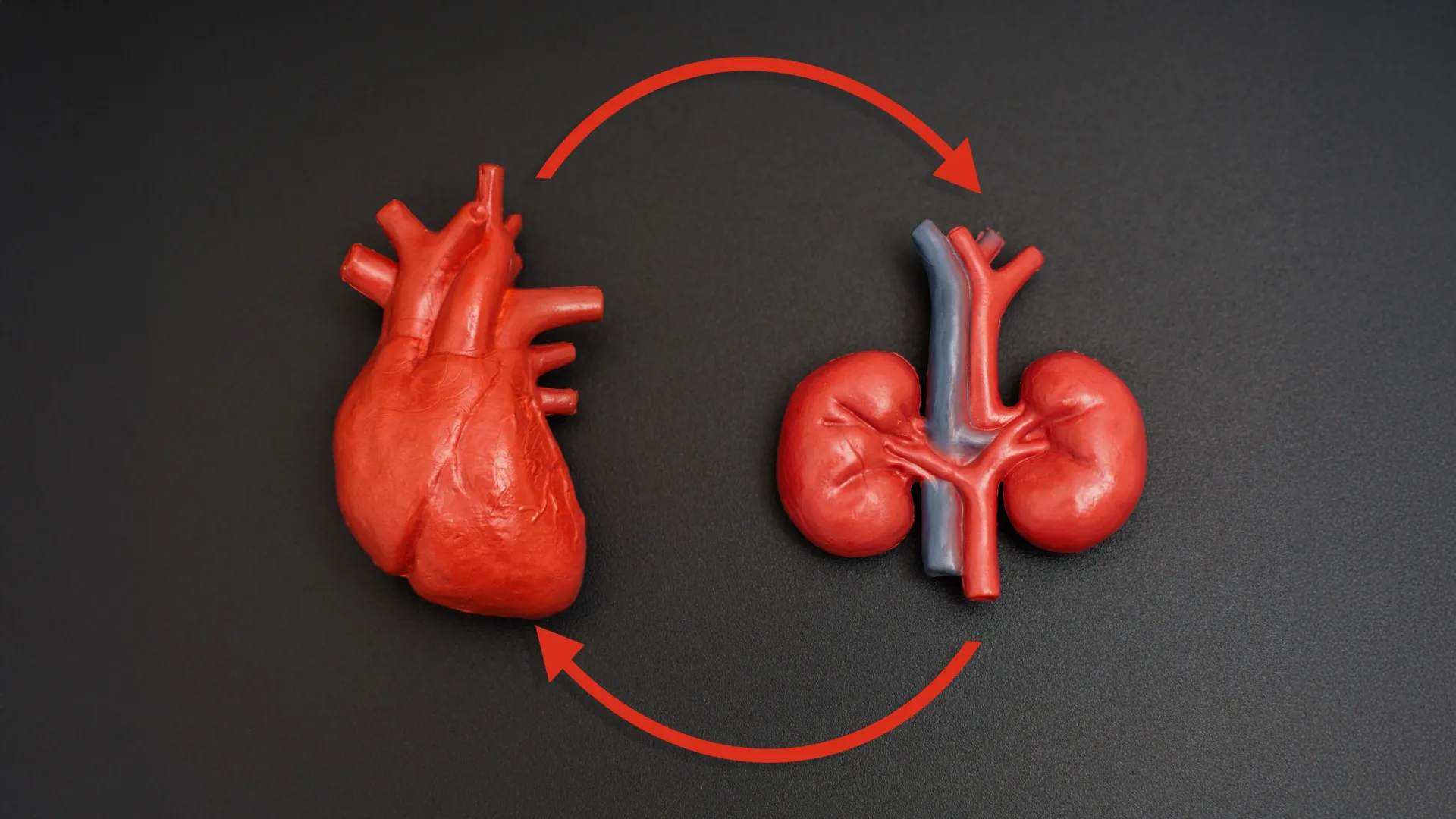
Health officials released a set of clinical recommendations this week that call for routine screening of heart and kidney function in patients with either condition, hoping to halt a vicious cycle that drives higher rates of cardiovascular events and renal failure.
The two diseases are tightly intertwined; damage to the heart can reduce blood flow to the kidneys, while impaired kidney function can elevate blood pressure and promote arterial plaque buildup. Shared risk factors such as diabetes, hypertension, and smoking amplify the likelihood that one organ’s decline will accelerate the other’s.
The new guidance emphasizes low‑cost, widely available tests. A basic blood panel to assess creatinine and glomerular filtration rate, coupled with a urine dipstick for protein, can flag early kidney injury in people with known heart disease. Conversely, a simple electrocardiogram or cardiac biomarker screen is advised for patients diagnosed with chronic kidney disease. Early identification, the guidelines argue, creates a window for proven therapies to intervene before irreversible damage sets in.
Therapeutic recommendations echo existing best‑practice standards but stress earlier initiation. Medications that block the renin‑angiotensin system, such as ACE inhibitors or ARBs, are highlighted for their dual benefits on blood pressure and proteinuria. Statins, blood‑pressure control, and lifestyle counseling are also reinforced as cornerstones that address both cardiovascular and renal risk simultaneously.
Public health experts note that the combined burden of heart disease and chronic kidney disease accounts for a sizable share of hospitalizations and health‑care spending. By catching problems sooner, the guidelines aim to reduce emergency admissions, slow progression to dialysis, and lower the incidence of heart attacks and strokes among high‑risk groups.
Implementation will require coordination across specialties. Primary‑care clinicians are urged to adopt the screening protocols and refer patients promptly to cardiology or nephrology when abnormalities emerge. Integrated electronic‑health records and shared care pathways are cited as tools to streamline this collaborative approach.
While the recommendations are grounded in existing evidence, officials acknowledge that broader uptake will depend on payer policies, patient awareness, and continued research to refine risk‑prediction models. If embraced widely, the early‑detection strategy could reshape outcomes for millions who currently face the compounded threat of heart and kidney disease.


Comments (0)
Be the first to comment.
Join the discussion