Harvard Team Crafts Shape‑Shifting Fabrics Using Advanced Knitting Techniques
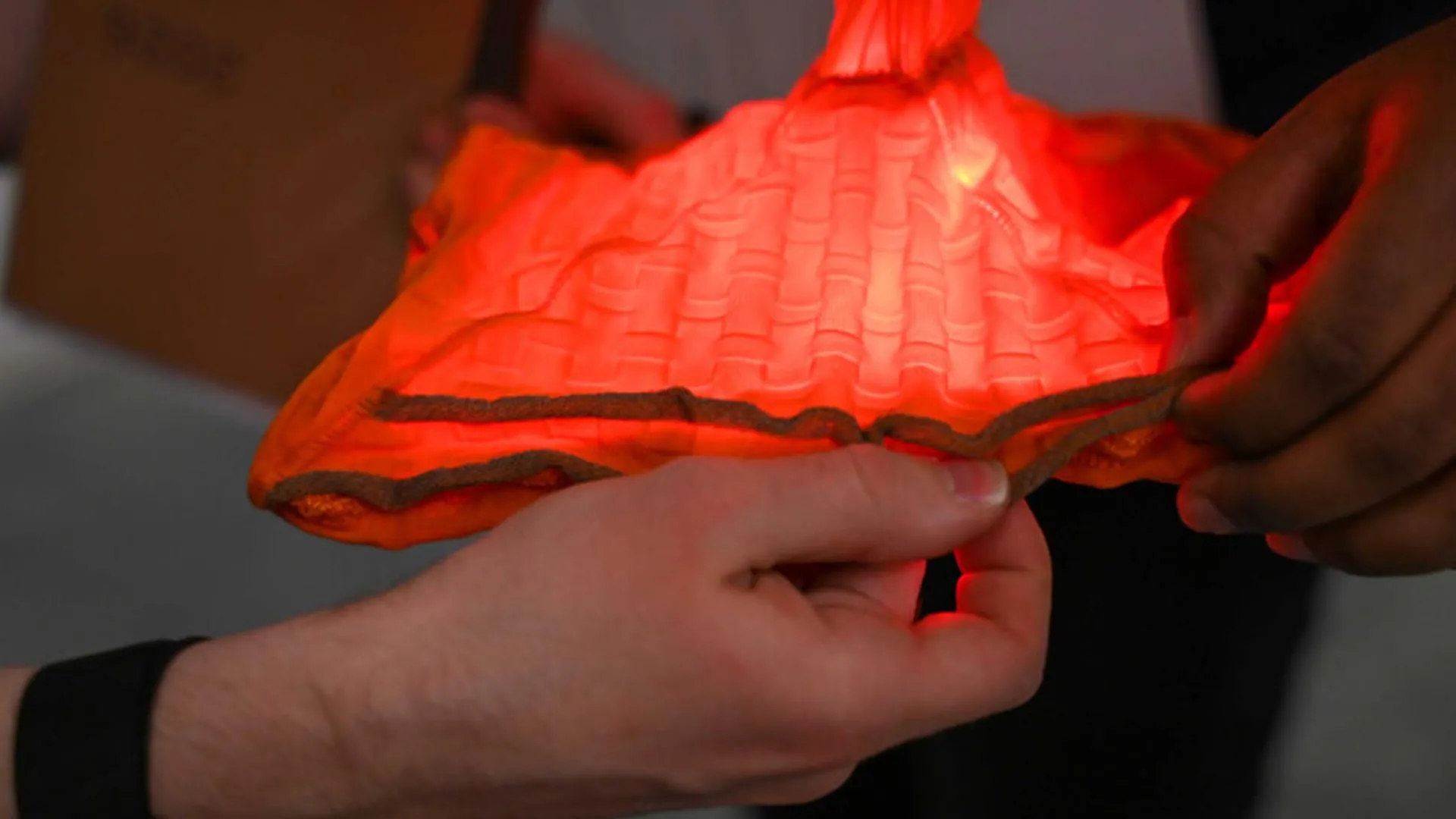
Researchers at Harvard University have unveiled a novel method for turning ordinary knitting into a versatile platform for smart textiles that can change shape on demand and carry out functional tasks. By integrating elastic yarns with industrial knitting processes, the team produced thick, self‑curving fabrics capable of snapping between predefined configurations.
The approach hinges on selecting yarns that combine stretchability with resilience, allowing the knitted structure to store mechanical energy. When the fabric is triggered—by a slight tug, temperature shift, or other stimulus—the stored energy releases, prompting the material to shift into a new geometry without external assistance.
To demonstrate the concept, the researchers crafted several prototype panels that could transition from a flat sheet to a curved dome and back again. These transitions occur quickly and repeatably, showcasing the durability of the knitted architecture over multiple cycles. Because the technique relies on conventional knitting equipment, it can be scaled using existing textile manufacturing infrastructure.
Beyond the visual novelty, the shape‑shifting capability opens doors to practical applications. Potential uses include adaptive clothing that adjusts fit, medical bandages that conform to changing body contours, and deployable structures for aerospace or emergency shelters that expand or contract as needed. The fabric’s inherent softness also makes it suitable for wearable technology where comfort is paramount.
The work builds on a broader trend in materials science toward programmable matter—materials designed to respond predictably to external cues. While other smart fabrics often depend on embedded electronics or complex composites, the Harvard method achieves functionality through the geometry and composition of the yarns themselves, reducing cost and simplifying production.
Future research will focus on expanding the range of stimuli that can trigger shape changes, integrating sensing elements, and refining the durability of the fabrics under real‑world conditions. If successful, the technology could usher in a new generation of responsive textiles that blend the familiarity of knitting with the adaptability of modern smart materials.


Comments (0)
Be the first to comment.
Join the discussion