Guilfoyle Claims White House Was Misled by AI-Generated Donor Messages, Officials Unconvinced
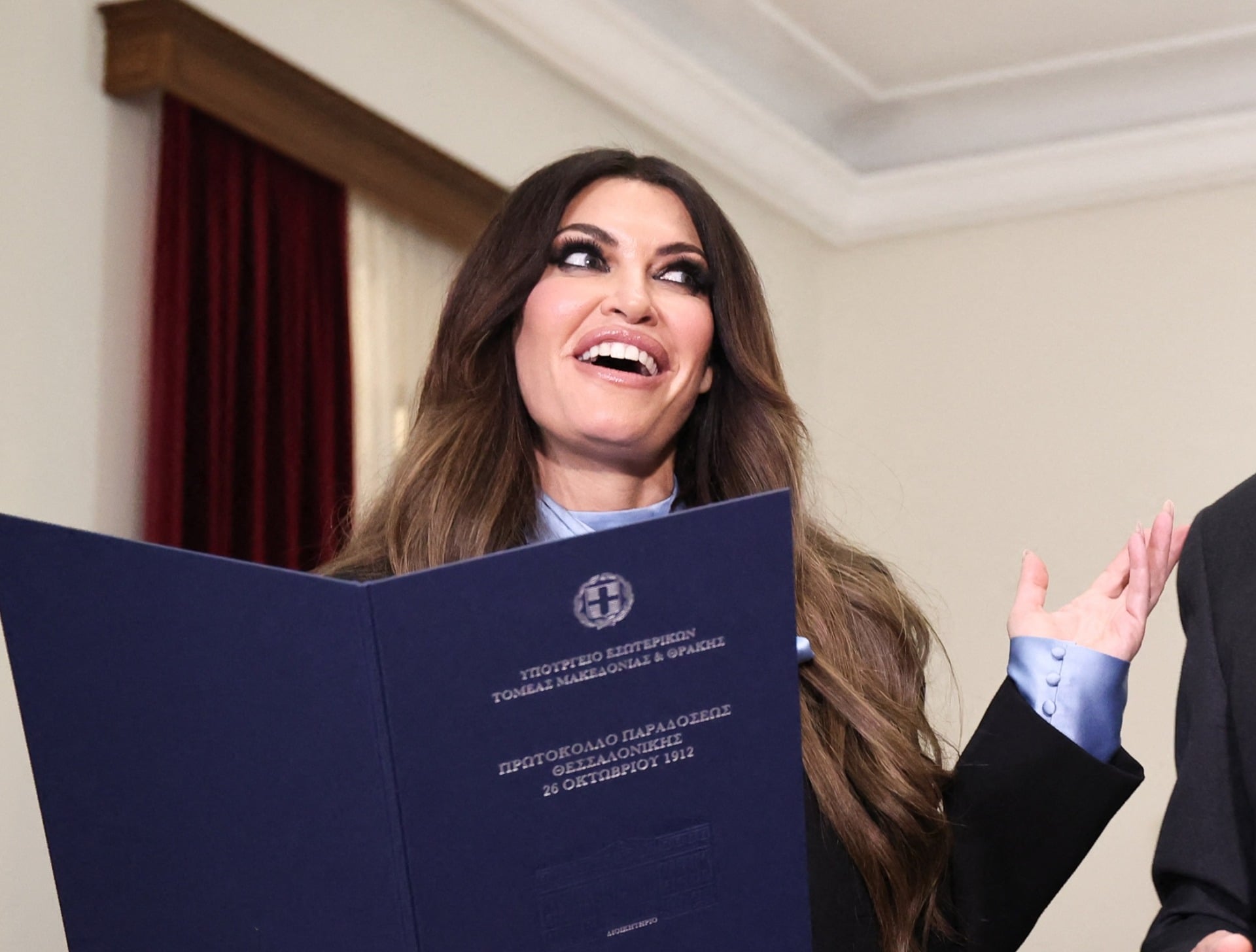
Television commentator and former political operative Kimberly Guilfoyle told senior officials at the White House that a series of fundraising texts sent to donors had been produced by artificial intelligence, a claim that was met with skepticism by the administration.
Guilfoyle, who has been a prominent figure in Republican circles and a frequent presence on cable news, raised the issue during a meeting with senior staff in early October. She argued that the language and formatting of the messages, which solicited contributions from high‑net‑worth individuals, bore the hallmarks of machine‑generated text, suggesting a possible attempt to obscure the true source of the outreach.
White House aides, however, reportedly expressed doubt about the assertion. According to sources familiar with the discussion, officials pointed to the lack of forensic evidence linking the messages to any known AI platform and noted that the content aligned with standard fundraising language used by the administration in recent months.
The incident comes amid heightened scrutiny of political fundraising practices and the growing prevalence of AI tools in communications. While AI‑generated content has become more accessible, experts caution that distinguishing authentic messages from synthetic ones can be challenging without thorough analysis. The controversy highlights the tension between rapid technological adoption and the need for transparency in political outreach.
Guilfoyle’s allegation also raises questions about the role of third‑party donors and the mechanisms by which their contributions are solicited. In recent election cycles, the use of targeted text messages and digital ads has surged, prompting calls for clearer disclosure standards. If the texts were indeed produced by an algorithm, it could signal a shift toward more automated fundraising strategies, which some critics argue may erode accountability.
For its part, the White House has not issued a formal statement confirming or denying the specifics of Guilfoyle’s claim. Spokespersons have emphasized that the administration continues to rely on established compliance protocols for all donor communications and that any irregularities would be investigated according to existing ethics guidelines.
The episode underscores the broader debate over AI’s influence on political processes. Lawmakers on both sides of the aisle have introduced bills aimed at regulating AI usage in political advertising, but consensus on practical enforcement remains elusive. As technology evolves, the capacity to generate persuasive messages at scale could reshape how campaigns engage supporters.
Observers note that the lack of corroborating evidence may limit the immediate impact of Guilfoyle’s statement, yet the incident serves as a reminder that emerging tech can quickly become entangled in partisan disputes. Whether the claim prompts further inquiry or fades from the news cycle will depend on the administration’s willingness to scrutinize its own outreach methods and the willingness of watchdog groups to pursue verification.

%20Pro%20102026%20top%20art%20SOURCE%20Amazon.jpg)
Comments (0)
Be the first to comment.
Join the discussion