Guide Highlights Top Filaments for Strong, Functional 3D Prints
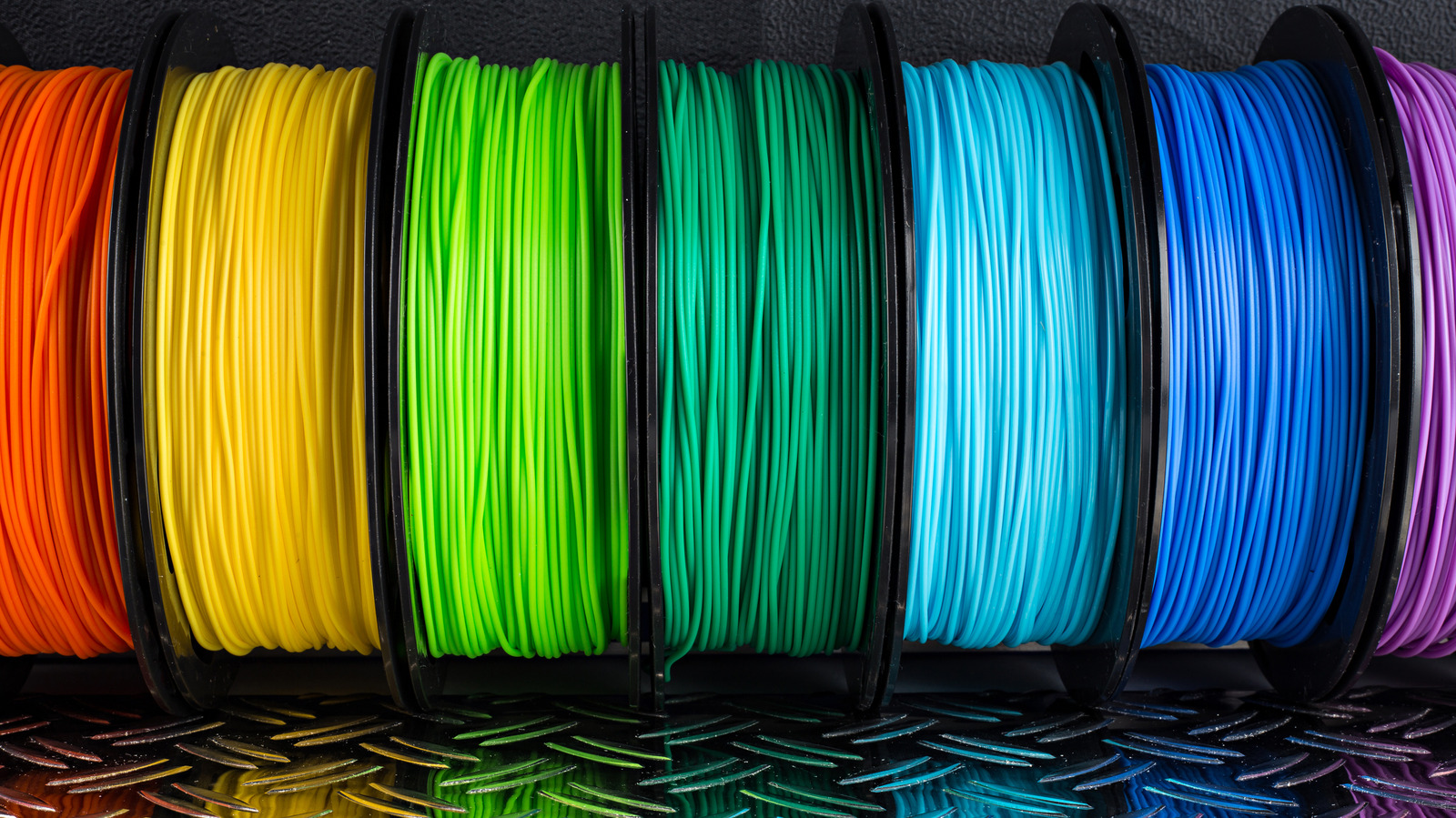
As desktop 3D printing becomes a staple in hobby workshops and small‑scale production, makers are increasingly looking beyond visual fidelity toward parts that can withstand real‑world stresses. A recent feature from a leading technology outlet surveyed the most robust filament options that can be used on the kind of printers most hobbyists own, offering a practical roadmap for anyone needing functional durability.
The article identified several polymers that consistently outperform standard PLA in tensile strength, impact resistance, and heat deflection. Nylon, often praised for its flexibility and fatigue resistance, emerged as a top candidate for moving components and gear assemblies. Polycarbonate, while demanding higher extrusion temperatures, was noted for its exceptional rigidity and ability to endure higher operating temperatures, making it suitable for structural brackets and enclosures.
Reinforced blends also received attention. Filaments infused with carbon fiber or glass fibers combine a base polymer—typically nylon or PETG—with short fibers that boost stiffness without dramatically increasing weight. These composites, the report explained, can deliver strength comparable to engineering plastics used in industrial settings, yet remain printable on machines equipped with a hardened steel nozzle and a heated bed.
The piece underscored practical considerations that influence filament selection. Higher‑temperature materials such as polycarbonate and carbon‑fiber‑reinforced nylon require printers capable of maintaining a hot end above 260 °C and a well‑controlled build environment to mitigate warping. Conversely, PETG offers a middle ground: stronger than PLA, easier to print than pure polycarbonate, and resistant to moisture when properly stored. Cost, availability, and post‑processing needs—like annealing to further improve strength—were also highlighted as factors that hobbyists weigh when choosing a filament for durable parts.
Industry analysts see this guidance as timely, given the surge in demand for functional prototypes, custom tools, and low‑volume end‑use components produced on desktop machines. By clarifying which filaments deliver the most mechanical performance without requiring a full‑scale industrial printer, the article aims to empower makers to make more reliable, longer‑lasting prints. As the ecosystem of high‑strength filaments expands, the next wave of consumer‑grade printers is expected to incorporate hotter hot‑ends and more robust build plates, further narrowing the gap between hobbyist and professional manufacturing capabilities.



Comments (0)
Be the first to comment.
Join the discussion