Scunthorpe Steelworks Nationalized Under New Government Mandate
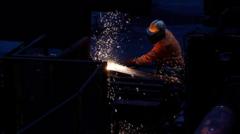
The Scunthorpe steelworks, a pivotal site for British Steel, has officially transitioned into public ownership this week. This significant move by the government leverages recently enacted powers, bringing a key industrial asset under state control.
The nationalization signifies a direct intervention into the operations of one of the nation's major steel producers. Such a step is typically considered during periods of severe financial instability or when an industry is deemed strategically vital to the country's economic and security interests. The Scunthorpe plant has long been a cornerstone of the UK's manufacturing base, employing thousands and contributing significantly to the local economy.
The government's ability to implement this takeover stems from new legislative provisions or the activation of specific statutory instruments that were finalized or brought into force recently. While the precise nature of these powers hasn't been detailed in the summary, their existence underscores a preparedness by authorities to step in when critical industries face existential threats.
This development carries substantial implications for the British steel sector, the workforce at Scunthorpe, and the wider industrial landscape. For employees, the immediate impact may be a sense of stability, at least in the short term, as the government becomes the employer of last resort. For taxpayers, it represents a new financial commitment, with the state now responsible for the plant's operational costs and future investments.
The UK steel industry has navigated complex challenges for decades, including fluctuating global demand, intense international competition, and the escalating costs associated with decarbonization. This nationalization could be seen as an attempt to safeguard domestic production capacity and ensure a strategic supply chain amidst these pressures.
Moving forward, attention will likely turn to the government's long-term strategy for the Scunthorpe site. This could involve significant investment to modernize facilities, a search for a suitable private sector buyer once stability is re-established, or a more permanent shift towards state-backed operation. The immediate priority will undoubtedly be maintaining production and ensuring operational continuity.
The decision to nationalize the Scunthorpe steelworks marks a notable moment in modern British industrial policy, reflecting a willingness by the government to directly intervene in the economy to protect jobs and strategic assets. The success of this intervention will hinge on the forthcoming plans and how effectively the state can steer the facility towards a sustainable and prosperous future.


Comments (0)
Be the first to comment.
Join the discussion