Googlebook Launch Sparks Praise for Hardware but Raises Questions About Software Maturity
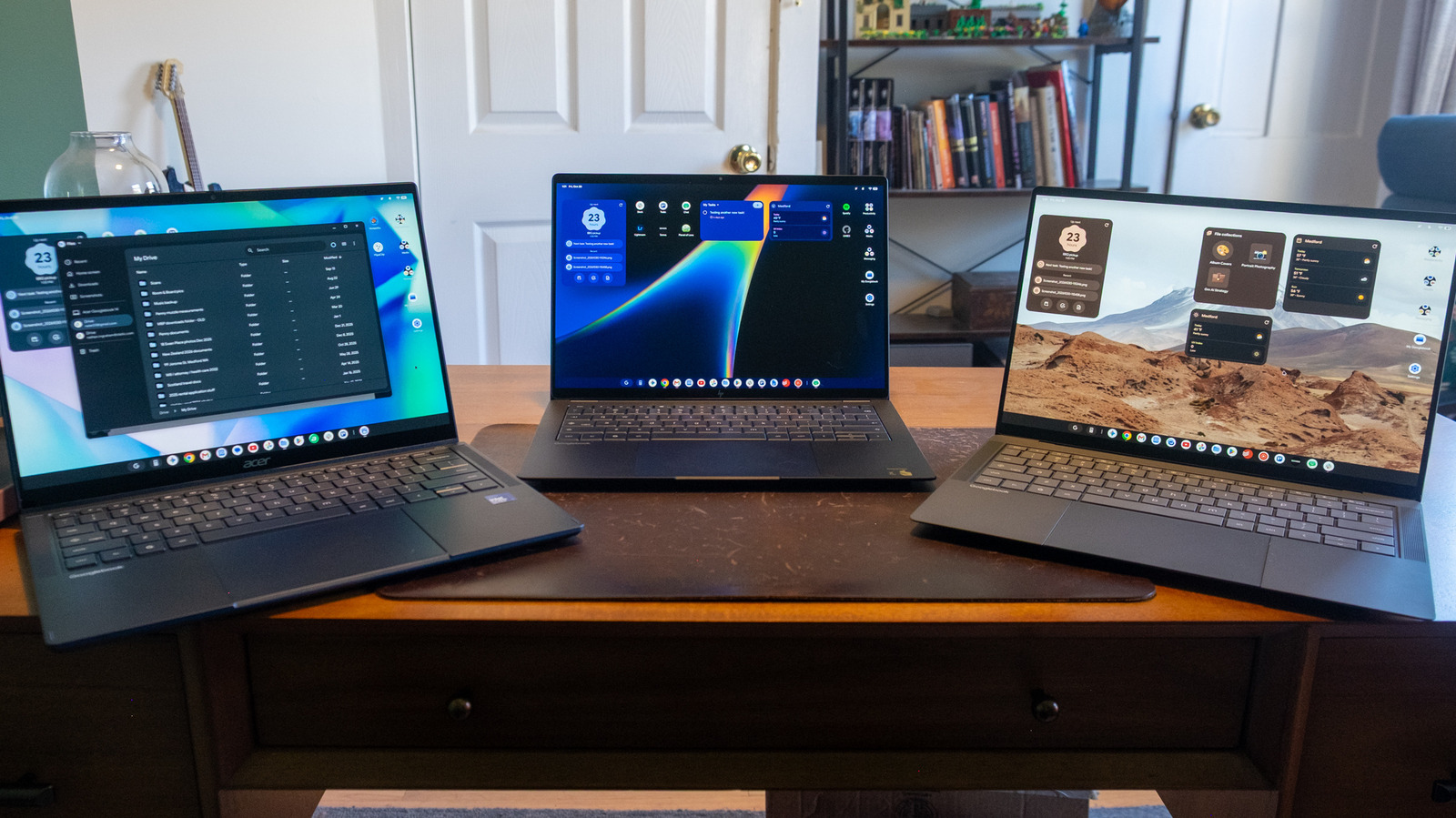
Google's latest entry into the laptop market, the Googlebook, has drawn attention for its solid build quality and sleek design, yet reviewers note that the accompanying operating system still falls short of expectations. Engadget's initial hands‑on review highlighted the device's premium chassis, responsive keyboard, and vibrant display, but also pointed out frequent glitches and limited app compatibility that could hinder everyday productivity.
At its core, the Googlebook runs a customized version of Chrome OS, aiming to blend the simplicity of cloud‑based workflows with the flexibility of a traditional laptop. While the hardware platform—featuring a high‑resolution screen, fast SSD storage, and an energy‑efficient processor—delivers smooth performance in benchmark tests, the software layer exhibits lag when handling multitasking scenarios and offline applications.
Industry analysts see the device as part of Google's broader strategy to capture a larger share of the education and remote‑work segments, where low‑cost, easy‑to‑manage hardware is in demand. However, the current OS shortcomings, such as inconsistent Bluetooth pairing and occasional crashes of native productivity tools, may limit adoption among power users who require reliable offline capabilities.
Google has acknowledged the feedback, indicating that a series of software updates are slated for release over the next several months. The company’s engineering teams are reportedly focusing on stabilizing core services, expanding native app support, and improving synchronization with Google Workspace. If these improvements materialize as promised, the Googlebook could become a more compelling alternative to established Windows and macOS laptops.
For now, potential buyers are advised to weigh the device's attractive hardware against the nascent state of its operating system. Early adopters who prioritize cloud‑centric workflows may find the Googlebook sufficient, while those dependent on robust offline performance might wait for the forthcoming updates before committing to the platform.



Comments (0)
Be the first to comment.
Join the discussion