Google Play Store to Open to Alternative Billing in Key Markets June 30
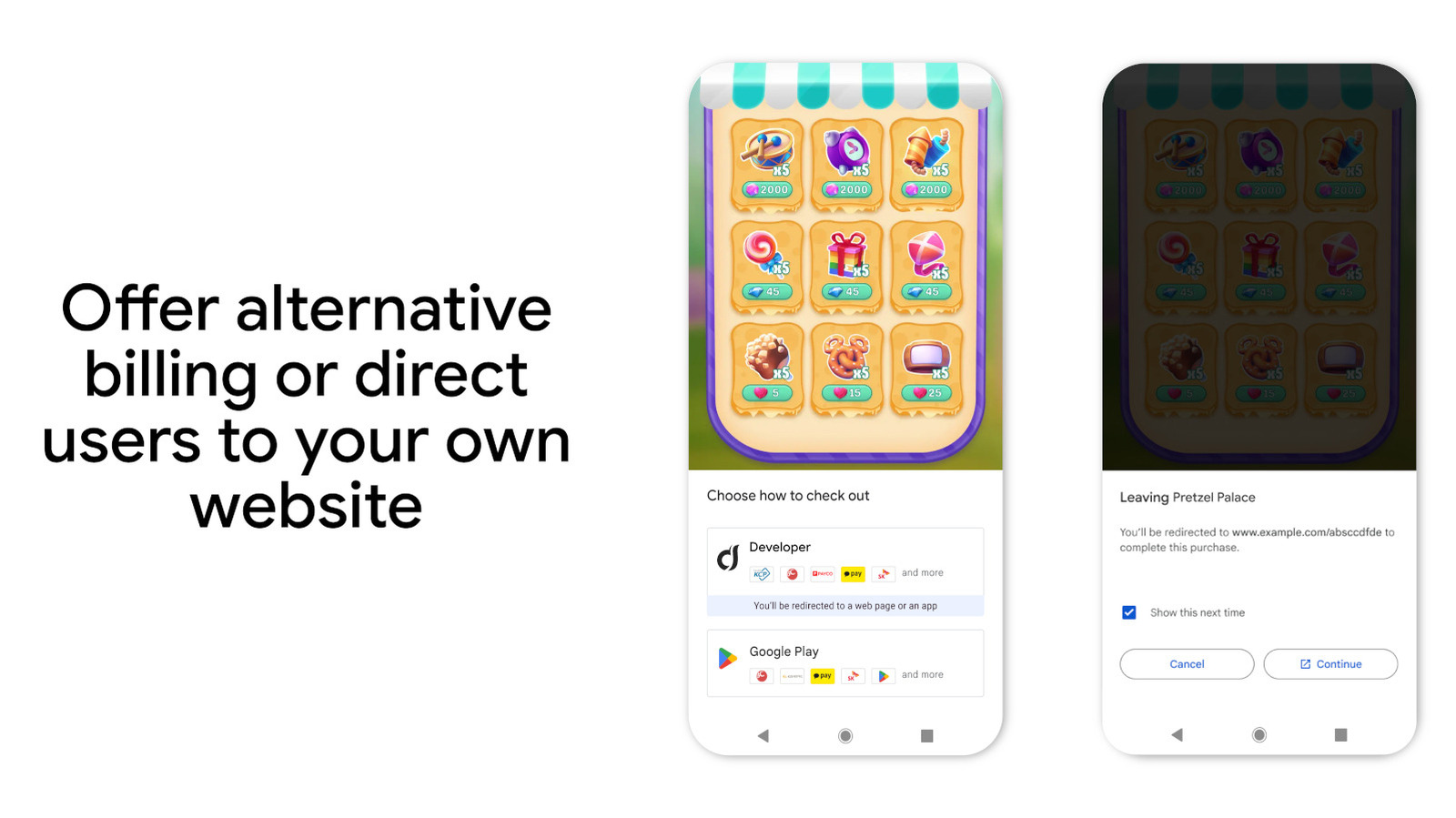
Developers distributing applications through the Google Play Store will soon have the option to offer alternative billing systems, marking a significant policy shift by the tech giant. Effective June 30, this change will be implemented across the United States, the United Kingdom, and the entirety of Europe, providing developers with greater flexibility in how they process transactions for digital content and services.
Historically, Google has mandated the use of its proprietary billing system for all in-app purchases made through the Play Store. This system typically involves a commission, ranging from 15% to 30% of the transaction value, which has been a long-standing point of contention for many developers. They have often argued that these fees cut significantly into their revenue, particularly for smaller independent studios and creators.
The move to permit alternative billing options represents a substantial departure from this established model. For developers, this could translate into reduced transaction costs, potentially allowing them to retain a larger share of their earnings. This increased revenue could then be reinvested into product development, marketing, or even passed on to consumers through more competitive pricing strategies.
For users in the affected regions, the change could mean a broader array of payment methods available when making in-app purchases or subscribing to digital services. While the immediate impact on consumer pricing is yet to be fully seen, the added competition among billing providers might eventually lead to more favorable terms for end-users.
This policy adjustment by Google arrives amidst growing global scrutiny of app store practices. Regulators and lawmakers in various jurisdictions have been examining the dominance of major app stores and their billing requirements, often citing concerns about fair competition and developer autonomy. While not explicitly stated as a direct response, the timing of Google's announcement aligns with these ongoing discussions.
The decision to roll out this option across such major economic blocs as the US, UK, and Europe underscores the widespread implications of this policy. These markets represent a substantial portion of the global digital economy, indicating that Google's concession is not a localized experiment but a broad-based shift in its approach to developer relations and transaction processing.
As the June 30 implementation date approaches, developers will likely begin evaluating various third-party billing solutions to integrate into their applications. The long-term effects of this change, including its impact on Google's own revenue streams from the Play Store and the broader competitive landscape of digital marketplaces, will be closely watched by industry observers and participants alike.



Comments (0)
Be the first to comment.
Join the discussion