Global Fire Activity Dropped Over 12% During Early COVID Lockdowns, Study Finds
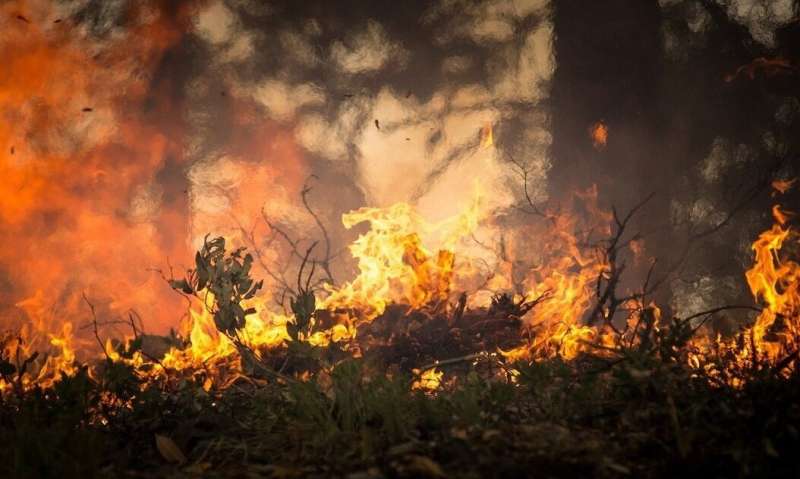
New research published in the journal Cell Reports Sustainability shows that the abrupt slowdown of human activity caused by the COVID-19 pandemic led to a measurable decline in wildfire occurrences worldwide during the first six months of 2020, with the total number of incidents falling by more than 12 percent compared with typical years.
The analysis, which compiled satellite‑derived fire data across continents, points to reduced human‑driven ignitions as the primary factor behind the dip. With transportation, construction, and many outdoor recreational pursuits curtailed by lockdowns, fewer accidental sparks and deliberate burns were reported, resulting in a noticeable contraction of the global fire footprint.
However, the study also highlights that the pandemic’s impact on fires was not uniformly positive. In regions where fire activity is largely dictated by natural conditions—such as prolonged drought, high temperatures, and wind—some outbreaks intensified despite the drop in human‑caused starts. These “natural” fires burned larger areas and displayed higher severity, underscoring the complex interplay between anthropogenic and environmental drivers.
Experts note that the findings illustrate both the extent of human influence on fire regimes and the limits of that influence when climate‑related stressors dominate. While reduced travel and industrial work can lower ignition rates, the underlying vulnerability of ecosystems to heat and dryness remains, suggesting that mitigation strategies must address both human behavior and broader climatic trends.
Looking ahead, researchers caution that the temporary lull in fire activity should not be interpreted as a lasting solution. As societies emerge from pandemic restrictions and emissions rebound, the risk of human‑origin fires is likely to rise again. At the same time, climate models project increasing temperatures and more frequent extreme weather events, which could amplify natural fire cycles. Policymakers are therefore urged to integrate the dual lessons of the study—limiting preventable ignitions and strengthening resilience to climate‑driven fire hazards—into forest management and land‑use planning to curb future wildfire threats.


Comments (0)
Be the first to comment.
Join the discussion