German Scientists Pinpoint Cause of Worldwide Power Grid Fluctuations
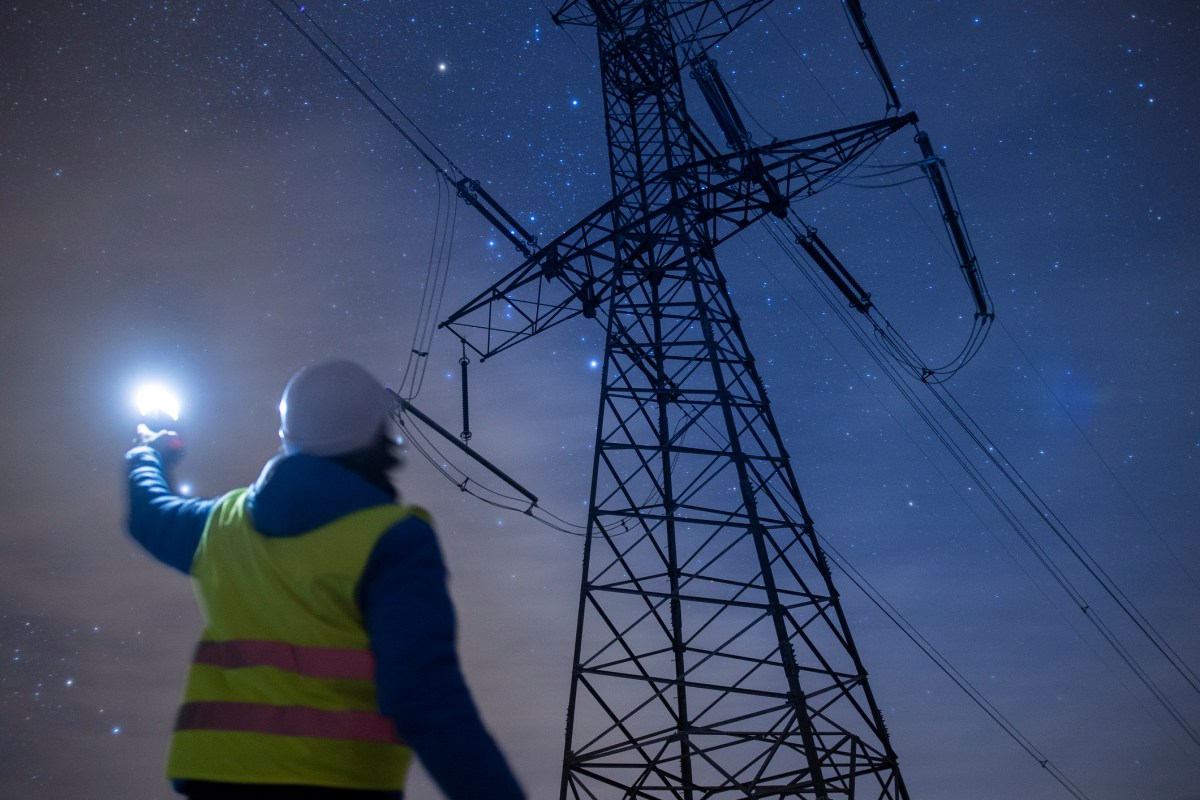
A collaborative research team based in Germany has announced that it has identified the technical trigger behind a series of coordinated power drops that have intermittently disrupted electricity networks across several continents over the past year.
The anomalies, first reported by grid operators in Europe, Asia and North America, manifested as brief but simultaneous voltage depressions that forced protective systems to trip, leading to localized blackouts and, in some cases, larger cascading failures. The events were notable for their timing and similarity, prompting speculation about coordinated cyber‑attacks, solar weather, or equipment malfunctions.
Scientists from the German Institute for Energy Systems (GIES) and partner universities examined high‑resolution telemetry from hundreds of substations, cross‑referencing the data with satellite‑based geomagnetic readings and known cyber‑incident logs. Their analysis revealed a consistent pattern: the disturbances originated at a specific class of high‑voltage transformer stations equipped with an older generation of protective relay firmware.
The team concluded that a latent software flaw in the relays caused them to misinterpret rapid load changes as fault conditions. When the relay engaged, it isolated the transformer, creating a sudden drop in supply that propagated through the network. Because many grids rely on similar equipment, the defect manifested simultaneously in geographically distant systems, giving the appearance of a coordinated attack.
With the root cause now documented, utilities worldwide are being urged to update the vulnerable firmware and conduct targeted inspections of the implicated transformer models. Regulatory bodies in the European Union and the United States have already issued advisories, and several grid operators have begun deploying patches to prevent recurrence.
The discovery underscores the importance of international data sharing and joint technical research in safeguarding critical infrastructure. Researchers say the next phase will involve monitoring the patched systems to verify stability and exploring whether other legacy components might pose similar risks. By addressing the flaw promptly, the industry hopes to restore confidence in the resilience of global power networks.


Comments (0)
Be the first to comment.
Join the discussion