Former Blade Director Bassam Tariq Reflects on Missed Vision and Lessons from a Brief MCU Stint
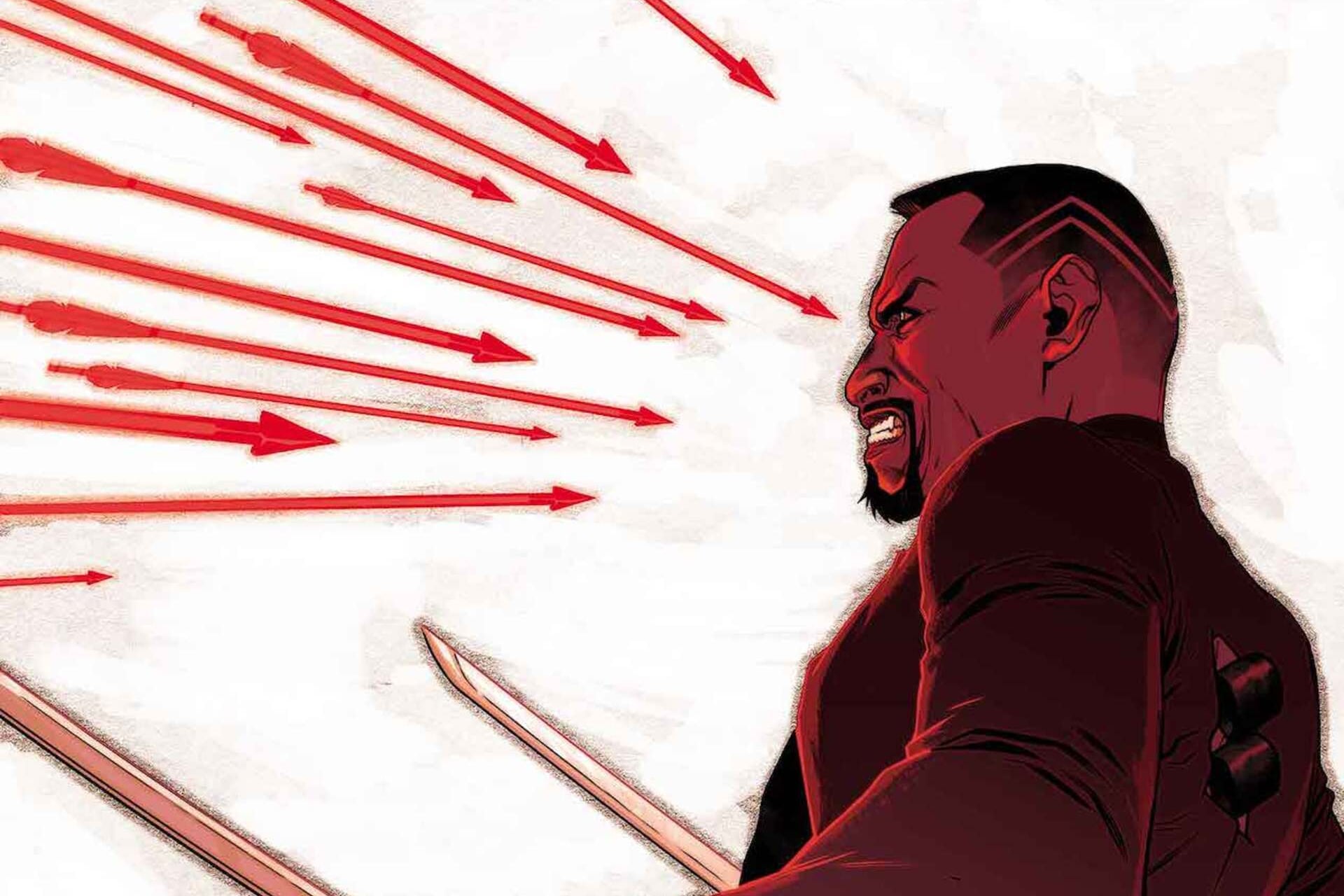
Hollywood filmmaker Bassam Tariq, the first director attached to Marvel Studios' reboot of the vampire‑hunter franchise Blade, recently opened up about his short-lived involvement and the creative constraints that kept his version of the film from moving forward.
Tariq, whose previous work includes the acclaimed indie drama "The Last Black Man in San Francisco," was brought onto the Blade project during the early development phase, a period when Marvel was still shaping its approach to the darker, more adult‑oriented tone the character demands. In an interview, he explained that while the studio’s enthusiasm was evident, the rapid pace of decision‑making and the weight of legacy attached to Blade limited his ability to imprint his own stylistic sensibility on the script.
He said the experience taught him that operating within the Marvel Cinematic Universe requires a different set of expectations than independent filmmaking. "You have to balance a massive, interconnected narrative while still trying to tell a personal story," he noted, emphasizing that the learning curve was steep but ultimately valuable for his growth as a director.
Marvel’s Blade, now slated to star Mahershala Ali, has undergone several changes in creative leadership since Tariq’s departure, including earlier involvement by Guillermo del Toro and a later handoff to a new director who will helm the final production. The franchise’s revival is part of a broader MCU strategy to diversify its slate with edgier characters, following the success of recent titles that blend superhero mythos with horror and thriller elements.
Industry observers point out that Tariq’s brief tenure reflects a common pattern in large‑scale franchise filmmaking, where directors may join a project only to be replaced due to shifting corporate priorities, budgetary considerations, or creative differences. While Tariq did not receive credit on the finished film, he said the window he had allowed him to see how the studio’s internal processes function and how they negotiate creative risk.
Looking ahead, Tariq expressed optimism about applying the insights he gained to future projects, whether within the Marvel ecosystem or in the independent arena. He highlighted the importance of clear communication, realistic expectations, and the willingness to adapt when collaborating with a studio that balances artistic ambition with commercial imperatives.
Fans of the Blade character, who first appeared on screen in the late 1990s, remain eager to see how the new iteration will reinterpret the anti‑hero for a contemporary audience. Tariq’s reflections add a behind‑the‑scenes perspective to the ongoing conversation about how legacy properties are reimagined in the era of shared universes, underscoring the delicate dance between creative vision and corporate oversight.



Comments (0)
Be the first to comment.
Join the discussion