Ukraine Unleashes Autonomous Interceptors Against Russian Shahed Drones in Kharkiv Region
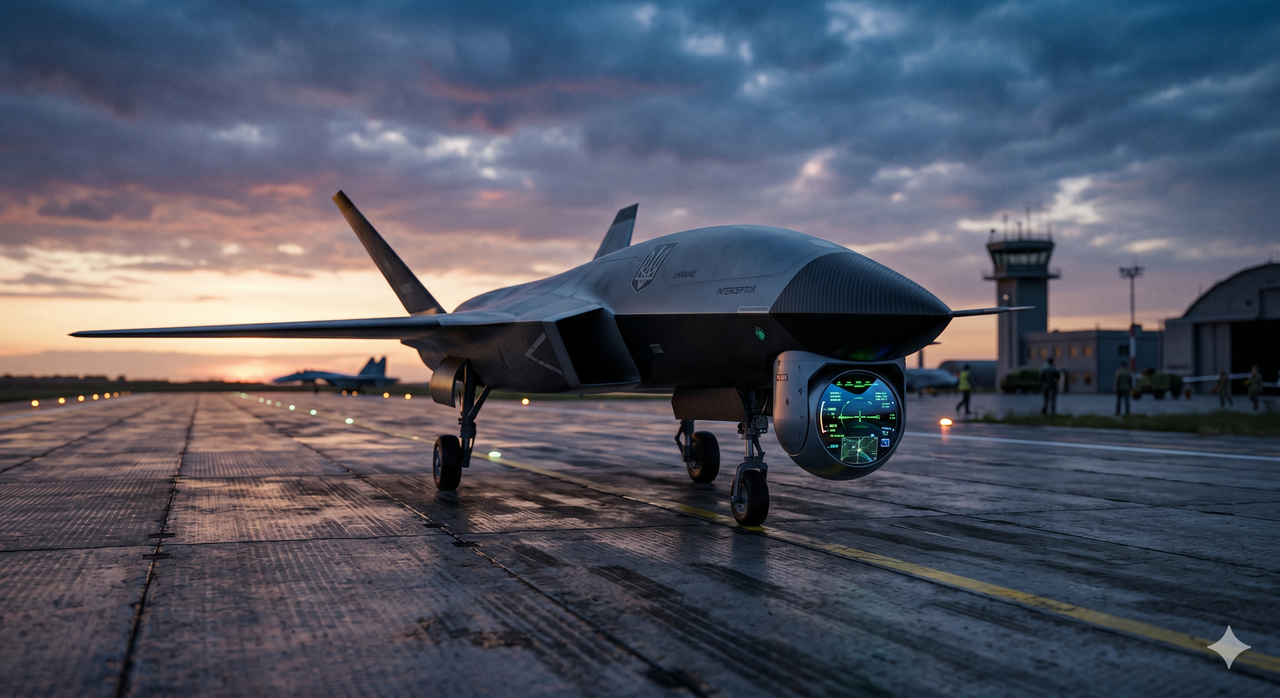
Ukraine has successfully battle-tested a new generation of autonomous unmanned aerial vehicles (UAVs) designed to stalk and neutralize Russian Shahed drones. These innovative interceptor drones, deployed in the Kharkiv region, mark a significant step in anti-drone warfare, operating with minimal human intervention.
The newly developed interceptors demonstrate a high degree of autonomy, managing approximately 95% of the 'kill chain' independently. Human operators are primarily responsible for selecting the target, after which the interceptor takes over to track and engage the incoming threat without continuous manual control. This automation could potentially streamline air defense operations against persistent drone attacks.
This rapid technological advancement underscores Ukraine's accelerated pace of defense innovation amidst ongoing conflict. Developers managed to compress what would typically be years of research and development into a mere twelve months of battlefield-driven progress. The initiative, attributed to Brave1, highlights a strategic focus on leveraging cutting-edge technology to counter specific battlefield challenges.
The introduction of these autonomous interceptors comes as both sides in the conflict increasingly rely on drone technology for a variety of roles, from reconnaissance to direct attacks. Russian forces have frequently utilized Shahed-type loitering munitions, posing a constant threat to Ukrainian infrastructure and military positions. These new defensive drones aim to provide a more agile and cost-effective countermeasure compared to traditional air defense systems.
The deployment in the Kharkiv region is particularly notable, given the area's proximity to the front lines and its frequent targeting by Russian forces. The ability to autonomously identify and destroy incoming drones could reduce the operational burden on air defense crews and potentially improve the success rate against swarming drone attacks.
Looking ahead, the success of these autonomous systems could influence future military doctrines regarding air defense and drone warfare globally. While challenges such as evolving countermeasures and electronic warfare remain, Ukraine's rapid development cycle demonstrates a proactive approach to adapting technology for immediate battlefield needs, potentially setting a new standard for counter-drone capabilities.



Comments (0)
Be the first to comment.
Join the discussion