First Confirmed Radio Emission Detected From an Exoplanet, Not an Alien Signal
Scientists announced today that they have captured a distinct radio signal emanating from a planet beyond our Solar System, marking the first time such emissions have been unequivocally linked to an exoplanet rather than to distant stellar activity or terrestrial interference.
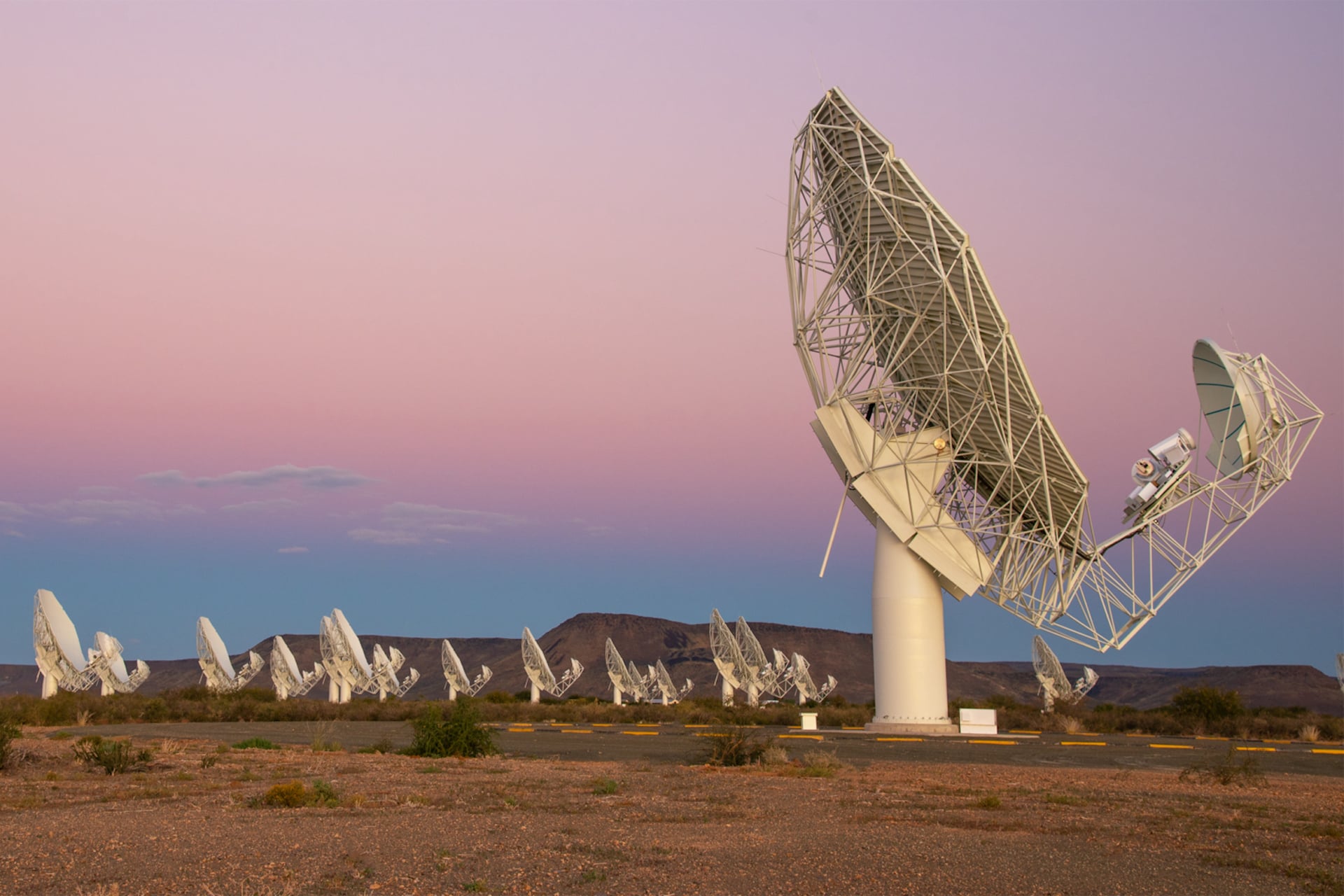
The source is a gas‑giant orbiting a nearby sun‑like star roughly 50 light‑years from Earth. Using a coordinated network of ground‑based radio antennas, researchers observed a periodic burst of low‑frequency radiation that matches the orbital period of the planet, allowing them to separate it from background noise.
Radio waves of this type are expected when a planet’s magnetic field interacts with charged particles carried by its star’s wind, a process similar to the auroral radio emissions observed from Jupiter. Detecting the signal suggests the planet possesses a substantial magnetosphere, a characteristic that can shield an atmosphere from stellar radiation and is considered a key factor in planetary habitability studies.
While the discovery naturally sparks speculation, the research team stressed that the signal bears no hallmarks of artificial origin. No narrow‑band or pulsed patterns typical of engineered transmissions were found, and the frequency range aligns with known natural processes, reinforcing the conclusion that the emission is a product of planetary physics, not extraterrestrial intelligence.
The finding follows decades of attempts to hear exoplanetary radio waves, a goal hampered by the faintness of the signals and interference from Earth’s own radio environment. By combining longer observation runs with advanced data‑filtering techniques, the team achieved a signal‑to‑noise ratio sufficient to claim a confident detection, opening a new observational window into the magnetic properties of worlds beyond our own.
Future work will aim to replicate the observation with other facilities and to target additional planets, especially smaller, rocky worlds where magnetic shielding could be crucial for retaining atmospheres. If successful, radio astronomy may become a routine tool for assessing exoplanet environments, complementing optical and infrared methods and deepening our understanding of how common protective magnetic fields are in the galaxy.



Comments (0)
Be the first to comment.
Join the discussion