Fairbuds 2 Earn Praise for Unmatched Repairability and Eco‑Friendly Design
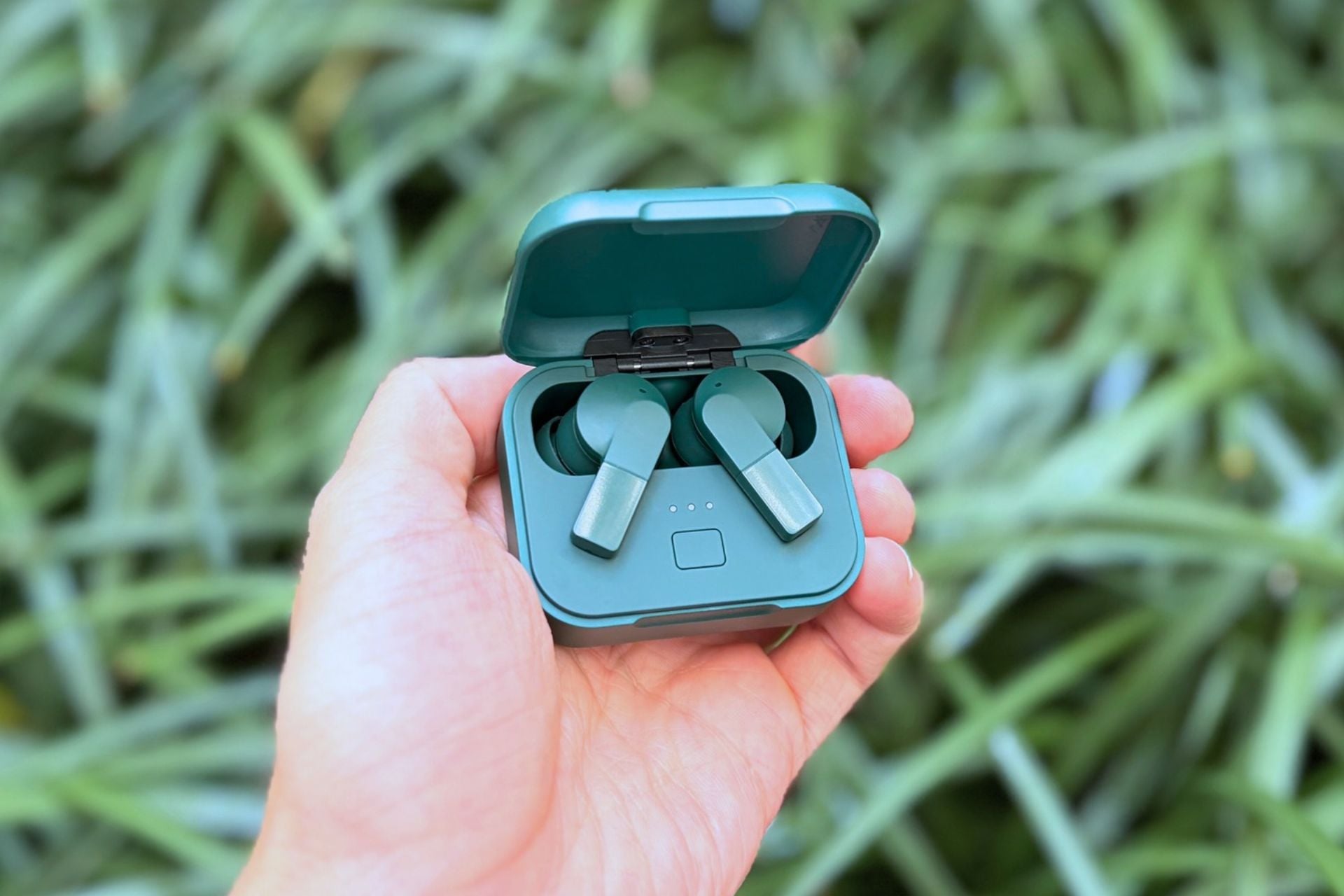
Fairbuds 2 have entered the crowded wireless‑earbud market with a proposition that goes beyond sound quality: they are built to be taken apart and fixed, a claim that sets them apart from most competitors.
The earbuds deliver a listening experience that reviewers describe as solid, with clear mids and sufficient bass for everyday use. Their ergonomic shape fits comfortably in most ears, and the accompanying app provides standard EQ adjustments without overwhelming the user. While they may not claim audiophile‑grade fidelity, the audio performance is respectable for the price range they occupy.
The standout feature is the modular construction that allows owners to replace individual components such as the drivers, battery packs, or ear tips without specialized tools. The manufacturer supplies spare parts through an online portal, and the design follows a screw‑based assembly rather than the glued‑in approach common in many true‑wireless models. This level of serviceability is rare in a product class where devices are typically discarded after a single failure.
By prioritizing repairability, Fairbuds 2 address growing concerns about electronic waste. The ability to extend the lifespan of each unit reduces the turnover rate that fuels the e‑waste stream, aligning the product with a broader push for sustainable consumer electronics. The company’s marketing emphasizes this environmental angle, positioning the earbuds as a conscientious choice for listeners who are mindful of their ecological footprint.
Early adopters have noted that the trade‑off for the repair‑friendly design includes a slightly bulkier charging case and a modest battery life compared with the market leaders. However, the case is also designed for easy opening, enabling users to replace the internal battery if needed. Pricing sits in the mid‑range segment, reflecting both the quality of the audio hardware and the added value of long‑term serviceability.
Industry analysts suggest that Fairbuds 2 could influence other manufacturers to reconsider the disposability of true‑wireless earbuds. If the repair model gains traction, it may spur a shift toward more sustainable product cycles across the sector. Future iterations are expected to refine the balance between compactness, performance, and maintainability, potentially setting a new benchmark for responsible design in personal audio.



Comments (0)
Be the first to comment.
Join the discussion