FAA Lifts Nationwide Ground Stop, Citing Outdated ATC Infrastructure
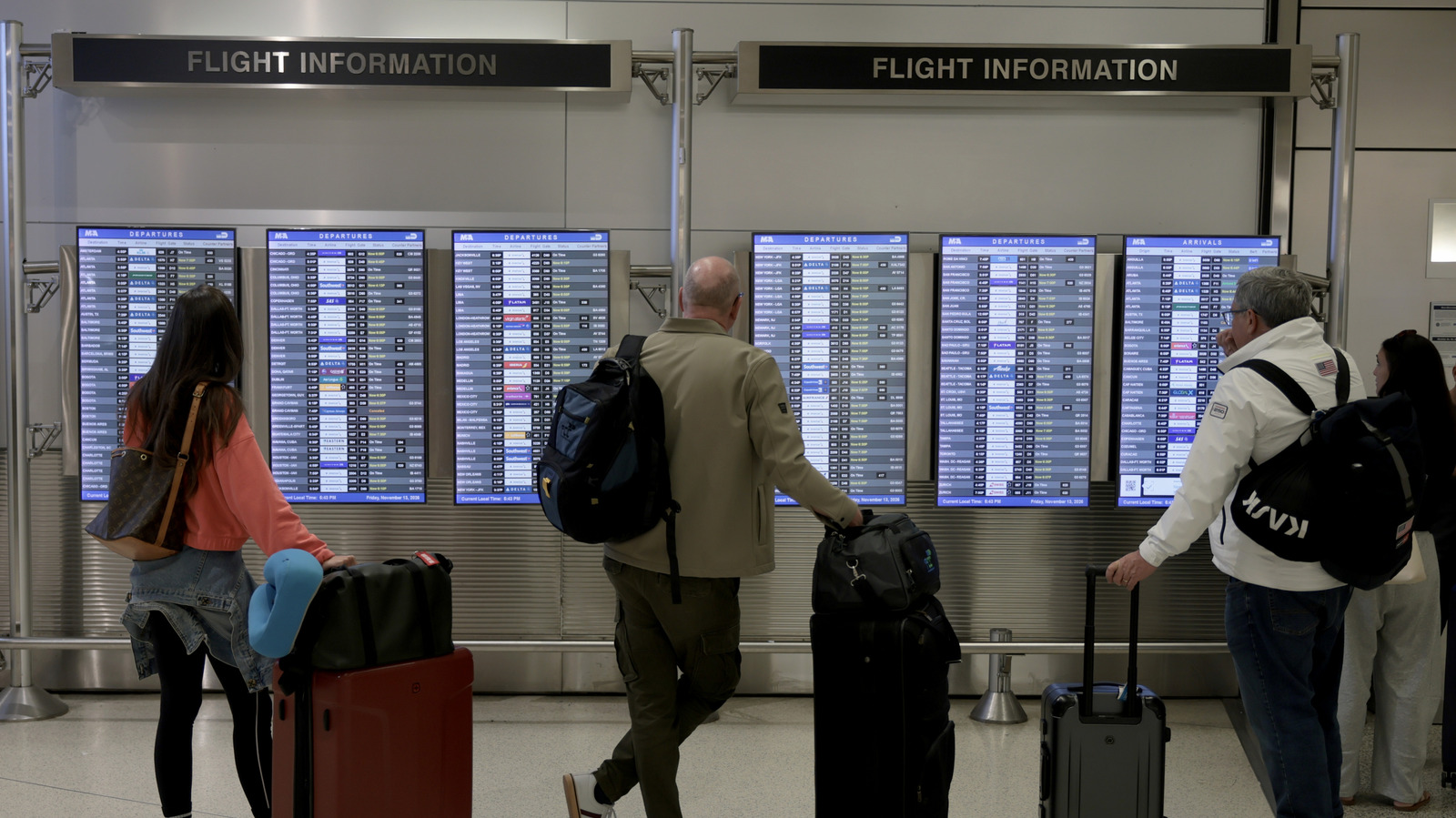
The Federal Aviation Administration announced on Sunday that the nationwide grounding of commercial flights that began early on November 13 has been lifted, allowing airlines to resume operations across the United States. The interruption, which lasted several hours, forced thousands of passengers to remain in terminals and delayed a significant portion of the day's scheduled traffic.
Transportation Secretary Pete Baghdad, speaking at a press briefing, attributed the stoppage to the aging and malfunctioning air‑traffic‑control (ATC) system that underpins the nation’s skies. He warned that the incident underscores long‑standing concerns about the reliability of equipment that many experts say has not kept pace with modern traffic volumes.
According to the FAA, the ground stop was triggered after controllers reported multiple technical failures in radar and communication subsystems at several major en‑route centers. The agency activated its emergency protocols, issuing a nationwide “ground stop” order to prevent aircraft from taking off until the faults could be isolated and cleared. By mid‑afternoon, engineers had restored the affected systems, and normal flight clearances resumed.
The disruption affected an estimated 2,000 flights, stranding passengers from coast to coast and prompting airlines to rebook or cancel itineraries. Major carriers such as American, Delta and United reported cascading delays that could extend into the following day, as crews and aircraft are reshuffled to meet the backlog. Consumer advocacy groups have called for greater transparency about the age and maintenance status of ATC infrastructure, noting that similar outages have occurred in recent years.
Officials say the FAA will conduct a comprehensive review of the incident and accelerate planned upgrades to the nation's air‑traffic‑control network, including the rollout of satellite‑based navigation and next‑generation radar. While the agency has pledged additional funding, critics argue that decades of underinvestment have left the system vulnerable to failures. The next steps will likely involve congressional hearings and potential legislative action to secure the resources needed to modernize the backbone of U.S. aviation safety.



Comments (0)
Be the first to comment.
Join the discussion