FAA Deploys AI Advisory System Nationwide to Ease Air Traffic Congestion
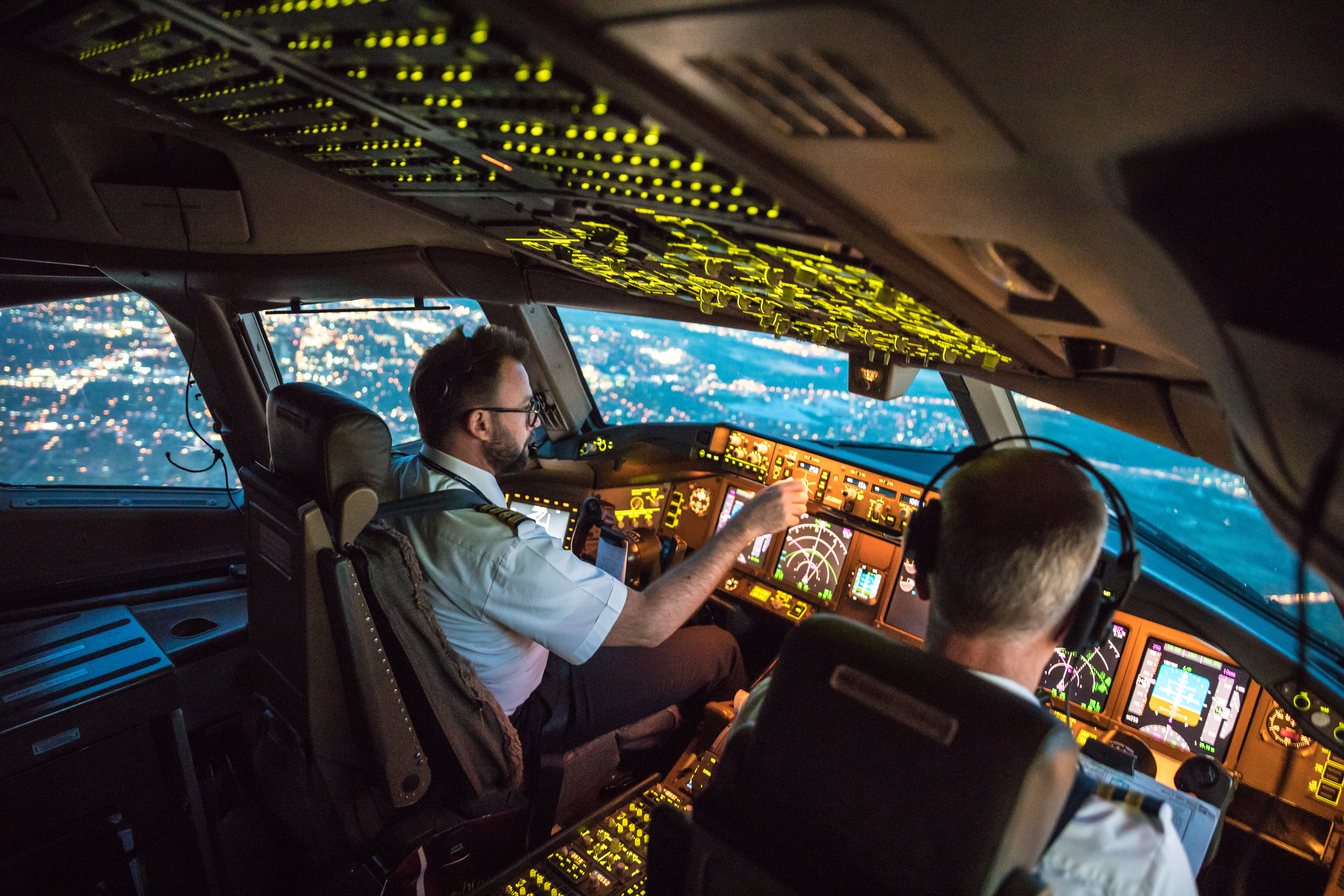
The Federal Aviation Administration announced Tuesday that its artificial‑intelligence‑based advisory system will be rolled out across the entire United States airspace, extending a tool that has previously been limited to select regions. The move is intended to give air traffic controllers additional decision‑support data to help manage the growing volume of flights and reduce bottlenecks at busy hubs.
Developed in partnership with industry and research groups, the system uses machine‑learning algorithms to analyze real‑time flight data, weather patterns, and airport capacity. It then offers controllers suggested sequencing and spacing recommendations, allowing them to anticipate congestion before it materializes. The technology has been in a pilot phase for several years in high‑traffic corridors, where early tests showed modest improvements in on‑time performance.
Airline leaders have broadly welcomed the expansion, saying the AI aid could translate into shorter delays and more predictable schedules for passengers. Executives highlighted the potential for airlines to better match aircraft utilization with demand, especially during peak travel periods, without attributing specific cost savings or performance metrics that have not yet been published.
Representing the nation’s air traffic controllers, the Professional Air Traffic Controllers Organization (PATCO) issued a statement expressing cautious optimism. While the union acknowledges the possible operational benefits, it called for clear safeguards, transparent oversight, and assurances that the technology will not replace human judgment or jeopardize job security. PATCO urged the FAA to involve controllers in ongoing testing and to establish protocols for addressing any system errors.
The FAA said the rollout will be phased, beginning with major en‑route centers and then extending to terminal facilities. Controllers will receive training on interpreting AI suggestions, and the agency plans to collect performance data to fine‑tune the algorithms. Officials emphasized that the AI tool is advisory, not autonomous, and that final decisions will remain with certified air traffic controllers.
Industry analysts view the expansion as part of a broader push to modernize the National Airspace System, which the FAA estimates will handle more than 45,000 flights a day by 2030. If the AI assistance proves effective, it could pave the way for additional automation initiatives, such as automated conflict detection and dynamic rerouting. The agency has pledged to release periodic reports on the system’s impact, allowing stakeholders to assess whether the technology delivers the promised efficiency gains while maintaining safety standards.



Comments (0)
Be the first to comment.
Join the discussion