Japanese Researchers Unveil Transistor That Operates Above 1,100°F, Paving Way for Venus Probes
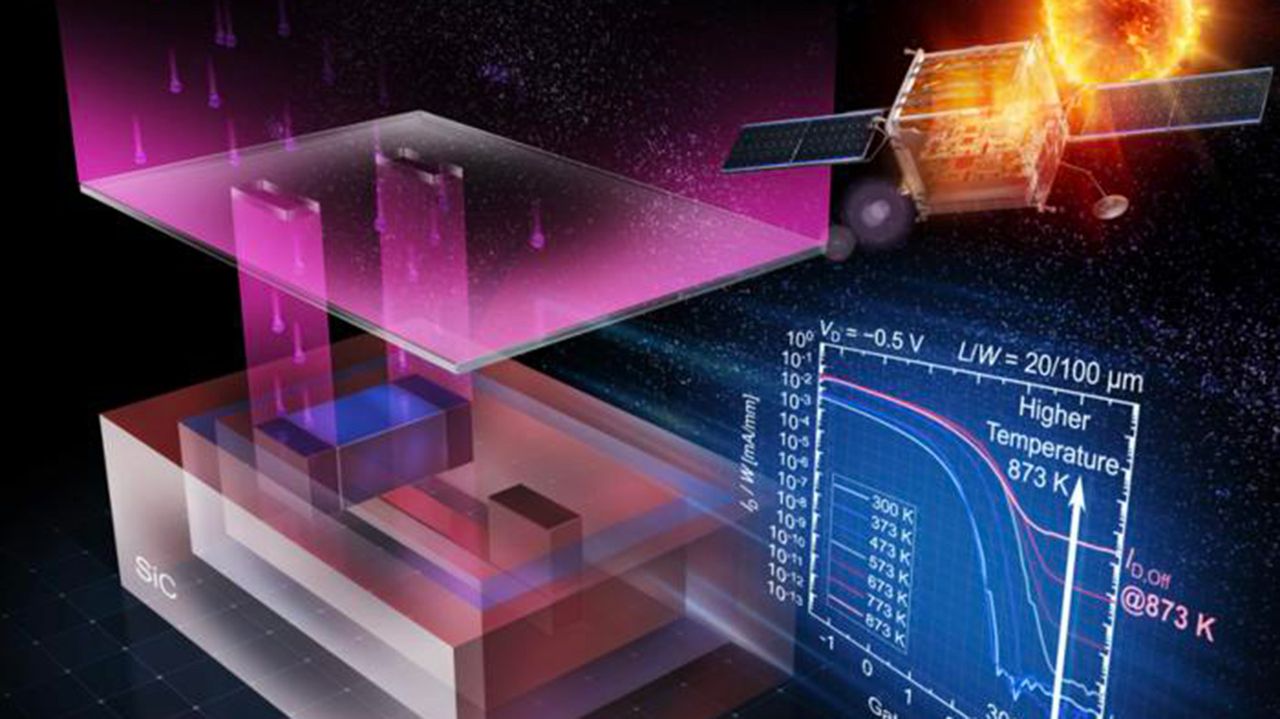
Scientists at a Japanese research institute have announced a breakthrough transistor that continues to work reliably at temperatures as high as 1,112 degrees Fahrenheit (600 degrees Celsius), a performance level far beyond that of conventional silicon‑based devices.
The new component was subjected to a continuous sweep from ordinary room temperature up to the extreme heat of 1,112 °F, during which it maintained normal operating characteristics without degradation. Such a wide thermal window is unprecedented for a transistor, which typically ceases to function reliably above roughly 250 °C (482 °F) due to material and structural limits.
The achievement stems from a combination of advanced semiconductor materials and a novel design that mitigates the thermal stresses that normally cause leakage currents and breakdown. While the precise composition has not been disclosed, the researchers emphasized that the device’s architecture can be integrated into existing circuit designs, reducing the need for entirely new manufacturing processes.
One of the most compelling motivations for the work is the harsh environment of Venus, where surface temperatures hover around 467 °C (872 °F) and pressures exceed 90 atmospheres. Current probe electronics would either fail or require bulky cooling systems to survive such conditions. The new transistor’s temperature ceiling comfortably exceeds Venusian surface heat, making it a strong candidate for future lander and atmospheric‑sampling missions.
Beyond planetary exploration, the ability to run electronics at several hundred degrees Celsius opens doors for a range of terrestrial applications. Industries such as deep‑well drilling, high‑temperature metallurgy, and aerospace propulsion could benefit from sensors and control units that no longer need protective housings or cooling loops, potentially simplifying system design and reducing weight.
The research team plans to move from isolated transistor tests to full‑scale integrated circuits, assessing long‑term reliability under cyclic heating and harsh chemical environments. If those trials succeed, commercial partners may begin limited production within the next few years, bringing ultra‑high‑temperature electronics from the lab to both space missions and high‑temperature industrial settings.


Comments (0)
Be the first to comment.
Join the discussion