UN Climate Chief Warns Extreme Heat Threatens Pregnant Women and Newborns
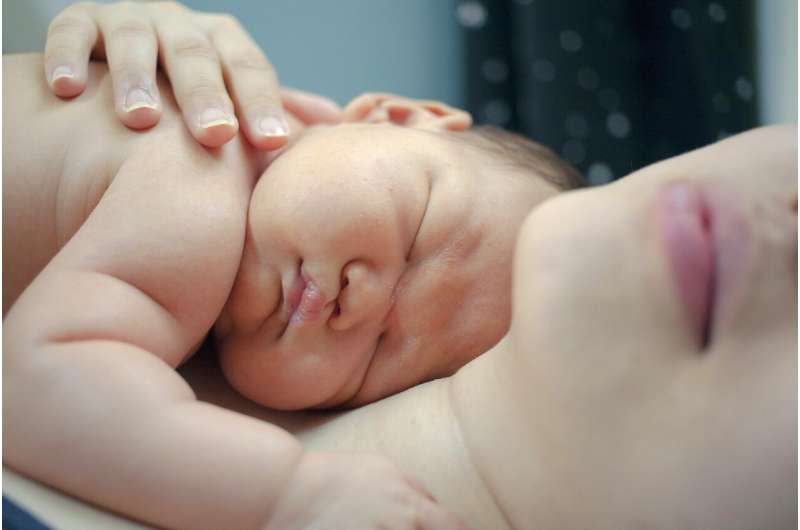
United Nations climate chief Simon Stiell is set to issue a formal warning on Monday about the growing danger that soaring temperatures pose to pregnant women and their newborns, emphasizing that heat stress is becoming a public‑health emergency in many regions.
Scientists have documented a steady rise in the frequency and intensity of heatwaves worldwide, a trend linked to the accelerating impacts of climate change. Cities that once experienced occasional hot spells are now enduring prolonged periods of extreme heat, stretching the capacity of health systems and infrastructure.
The physiological strain of high ambient temperatures is especially pronounced for expectant mothers, whose bodies already work harder to regulate core temperature and support fetal development. Excessive heat can lead to dehydration, elevated heart rate, and, in severe cases, complications such as preterm labor. Newborns are equally vulnerable because their ability to regulate body heat is limited, making them susceptible to overheating and related illnesses.
Health authorities, including the World Health Organization, have long advised pregnant individuals to stay hydrated, avoid strenuous activity during peak heat hours, and seek cooler environments when possible. In many urban areas, cooling centers and community shelters have been established to provide respite, but access remains uneven, particularly in low‑income neighborhoods.
The warning underscores a broader challenge for public‑health planning as climate patterns shift. Regions already struggling with limited medical resources may find it harder to protect at‑risk populations without targeted interventions, such as heat‑aware prenatal care protocols and expanded outreach programs.
Stiell’s upcoming statement is expected to call for both immediate protective measures and longer‑term climate action. By integrating heat‑risk assessments into maternal‑health policies and accelerating mitigation efforts, the UN aims to reduce the projected rise in heat‑related complications for mothers and infants in the coming decades.


Comments (0)
Be the first to comment.
Join the discussion