Expensive Routers May Not Speed Up Your Internet, Experts Warn
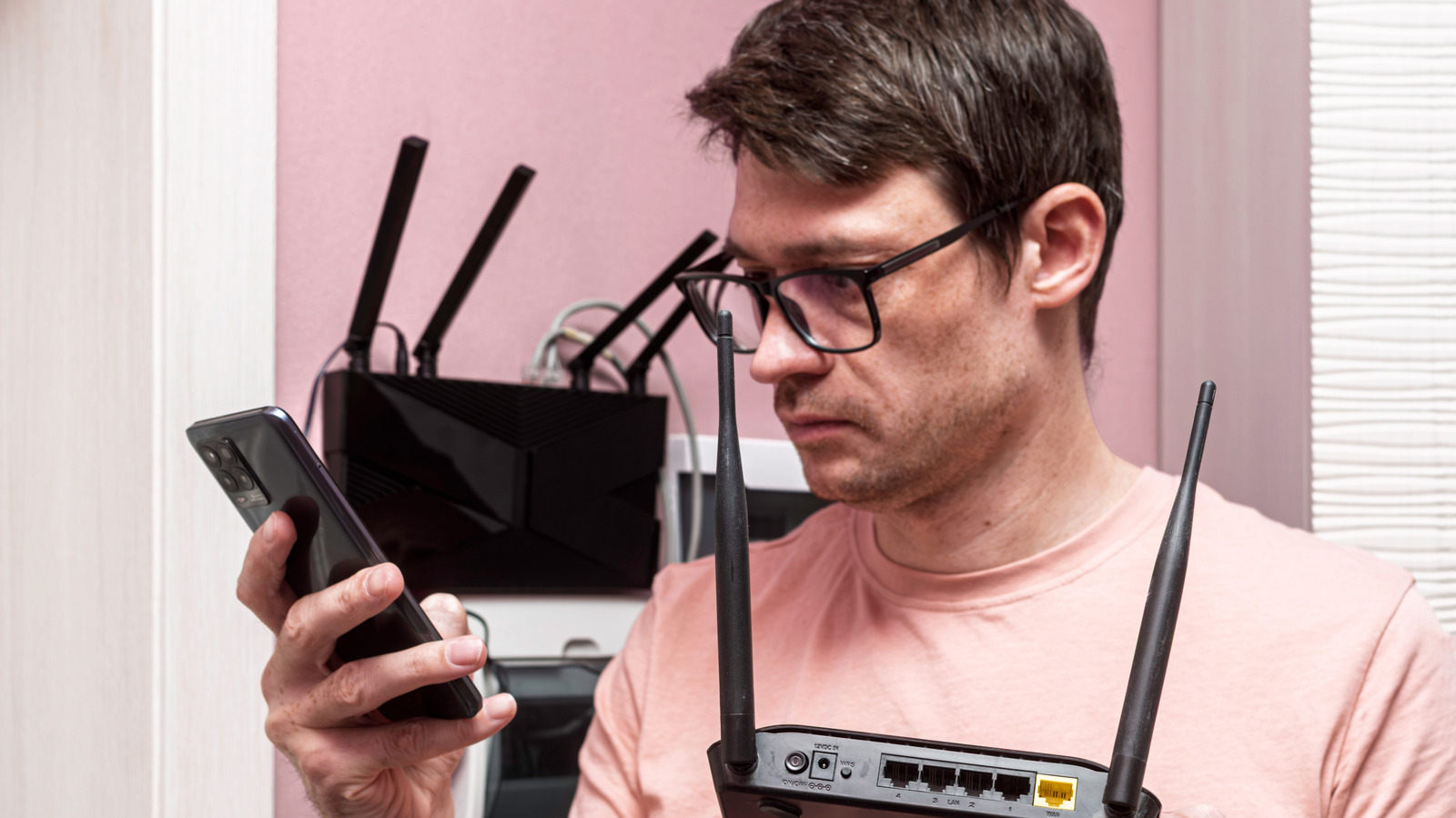
Buying the most expensive Wi‑Fi router on the market does not automatically translate into faster download or upload speeds, consumer‑tech analysts say. The performance ceiling is often set by the broadband plan you pay for, not by the hardware sitting on your desk.
Internet service providers deliver a fixed amount of bandwidth to each household, and that figure caps the maximum speed any device can achieve regardless of the router's advertised throughput. Even a flagship model that touts gigabit‑plus theoretical rates cannot push data beyond the limits imposed by the ISP's fiber, cable, or DSL connection.
Modern routers do bring technical improvements—support for newer Wi‑Fi standards such as Wi‑Fi 6 or Wi‑Fi 6E, multiple frequency bands, and advanced antenna designs that can handle more simultaneous streams. In practice, however, real‑world throughput is typically 30‑50 % lower than the spec sheet due to interference, wall attenuation, and the capabilities of client devices. As a result, the marginal speed gain from a premium unit is often indistinguishable from that of a mid‑range model when the underlying internet feed is the bottleneck.
The premium price tag usually reflects added features rather than raw speed. High‑end routers often include mesh networking capabilities, robust parental controls, enhanced security suites, and sophisticated Quality of Service (QoS) algorithms that prioritize traffic for gaming, video calls, or streaming. While these tools can improve the overall experience, they do not create extra bandwidth out of thin air.
Consumers are advised to match their router choice to actual needs. If a household subscribes to a 200 Mbps plan and experiences occasional dead zones, a reasonably priced dual‑band router with decent coverage may be sufficient. Users with multiple smart devices, heavy streaming, or a desire for granular network management might benefit from a higher‑end model, but the investment should be weighed against the speed tier they already pay for.
Looking ahead, the market is seeing more affordable devices that incorporate the latest Wi‑Fi standards, narrowing the gap between low‑cost and high‑end equipment. As Wi‑Fi 7 and beyond become mainstream, the distinction will shift from raw speed to ecosystem integration and smart home compatibility, leaving price alone as a less reliable indicator of performance.



Comments (0)
Be the first to comment.
Join the discussion