Federal Directive Mandates Data Centers Tap Backup Power Amidst Grid Strain From Heat Wave
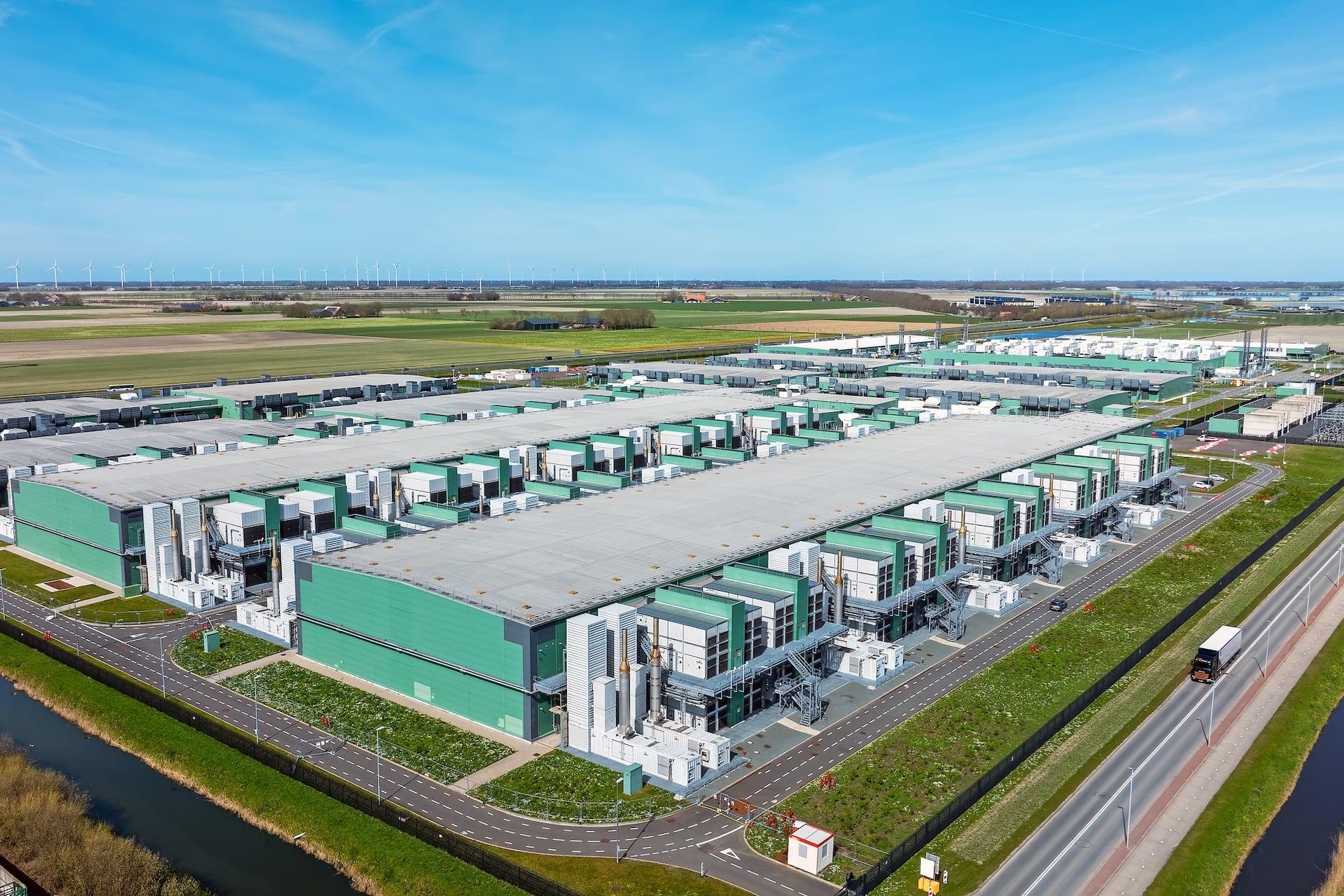
In a move to bolster grid stability during periods of extreme demand, the U.S. Department of Energy has authorized a prominent electrical grid manager to compel data centers to switch to their own backup power systems. This directive comes as regions grapple with intense heat waves, which significantly elevate the risk of power outages and strain existing infrastructure.
The federal green light empowers the grid operator to mandate that these energy-intensive facilities disconnect from the primary electrical supply, relying instead on their on-site generators. The aim is to alleviate pressure on the grid when it is most vulnerable, ensuring that essential services and residential areas maintain access to electricity during peak demand, typically driven by widespread air conditioning use.
Data centers, vital for modern digital infrastructure, are notoriously power-hungry. They operate 24/7, consuming vast amounts of electricity not only for computing tasks but also for cooling their extensive server banks. This continuous, high-volume consumption can become a critical factor in grid stability, particularly when weather conditions push the electrical network to its limits.
The Energy Department's intervention underscores a growing concern among federal regulators and grid operators regarding the resilience of the nation's power infrastructure. As climate change contributes to more frequent and severe weather events, and as the digital economy expands, the interplay between energy demand and supply is becoming an increasingly complex challenge to manage.
For data center operators, this mandate could necessitate operational adjustments and potentially higher costs associated with running backup generators, which often rely on fossil fuels like diesel. While most data centers are equipped with robust backup systems to ensure uninterrupted service, their routine activation for grid support rather than emergency power could shift operational paradigms.
This decision sets a precedent for how federal agencies might manage large industrial consumers of electricity during times of crisis. It highlights a strategic pivot towards actively managing demand-side resources as a critical component of grid reliability, moving beyond solely focusing on increasing generation capacity.
Looking ahead, this action could signal a broader trend where major industrial and commercial electricity users are increasingly integrated into proactive grid management strategies. The long-term implications may include incentives for more sustainable backup power solutions or deeper integration of data centers into demand response programs designed to optimize energy usage across the entire grid.


Comments (0)
Be the first to comment.
Join the discussion