Early Brain Shrinkage Detected Years Before Alzheimer’s Memory Loss, Johns Hopkins Study Finds
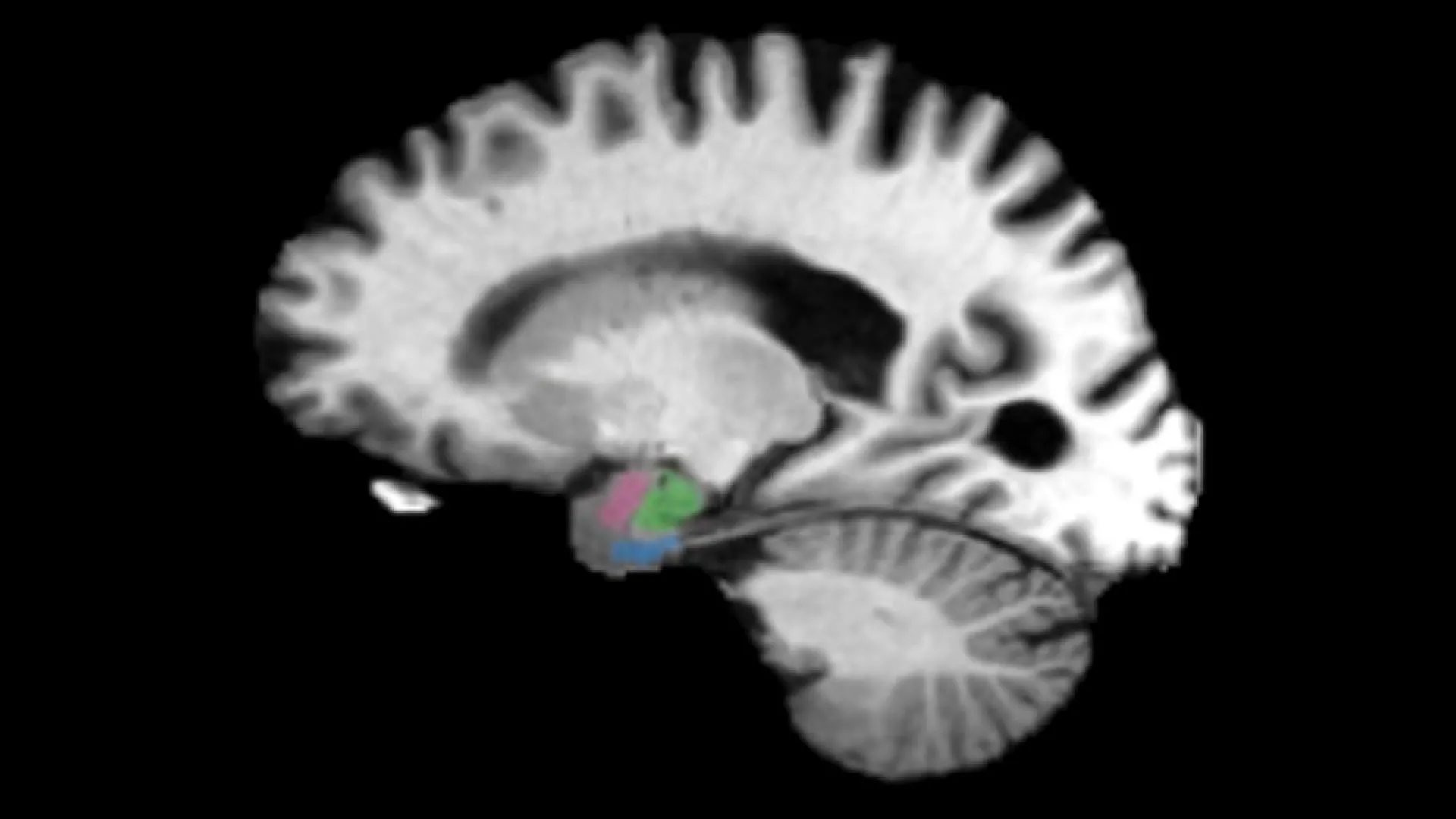
Scientists at Johns Hopkins University have identified subtle brain changes that may signal Alzheimer’s disease up to a decade before any memory problems become apparent.
Using advanced imaging techniques, the researchers observed that two regions of the brain involved in memory formation and emotional processing begin to lose volume well before the hippocampus—traditionally the primary focus of Alzheimer’s diagnostics—shows measurable atrophy.
The study highlights that these early‑shrinking areas, which support both the encoding of new experiences and the regulation of affect, could serve as hidden warning signs of the disease. Their deterioration appears to precede the more widely recognized hippocampal shrinkage that clinicians use to confirm neurodegeneration.
Alzheimer’s disease is typically diagnosed after patients report noticeable memory lapses, at which point brain damage is already extensive. By the time hippocampal loss is detectable, therapeutic options are limited and disease progression is often irreversible. Detecting changes in the newly identified regions could shift the timeline of diagnosis forward, offering a window for preventive strategies.
The findings suggest that routine brain scans might eventually incorporate measurements of these extra‑hippocampal structures, providing clinicians with a more sensitive tool for early detection. Earlier identification could also improve enrollment criteria for clinical trials, allowing experimental treatments to be tested on individuals who have not yet manifested cognitive symptoms.
Researchers caution that further longitudinal studies are needed to confirm the predictive value of the observed shrinkage and to determine how these changes correlate with eventual cognitive decline. Validation across diverse populations and integration with other biomarkers, such as cerebrospinal fluid proteins or blood‑based tests, will be essential before the approach can be adopted in clinical practice.
With the global population aging rapidly, the potential to recognize Alzheimer’s pathology years before it impacts daily life carries significant public‑health implications. Early intervention, lifestyle modifications, and emerging therapies could become more effective if applied during this pre‑symptomatic stage.
While the discovery does not yet translate into a new diagnostic test, it underscores the importance of expanding research beyond the hippocampus and may pave the way for a new generation of screening methods aimed at halting Alzheimer’s before it erodes memory.


Comments (0)
Be the first to comment.
Join the discussion