Mobile Networks Gain Drone‑Detection Edge as Ericsson’s New Sensing Tech Enters Trials
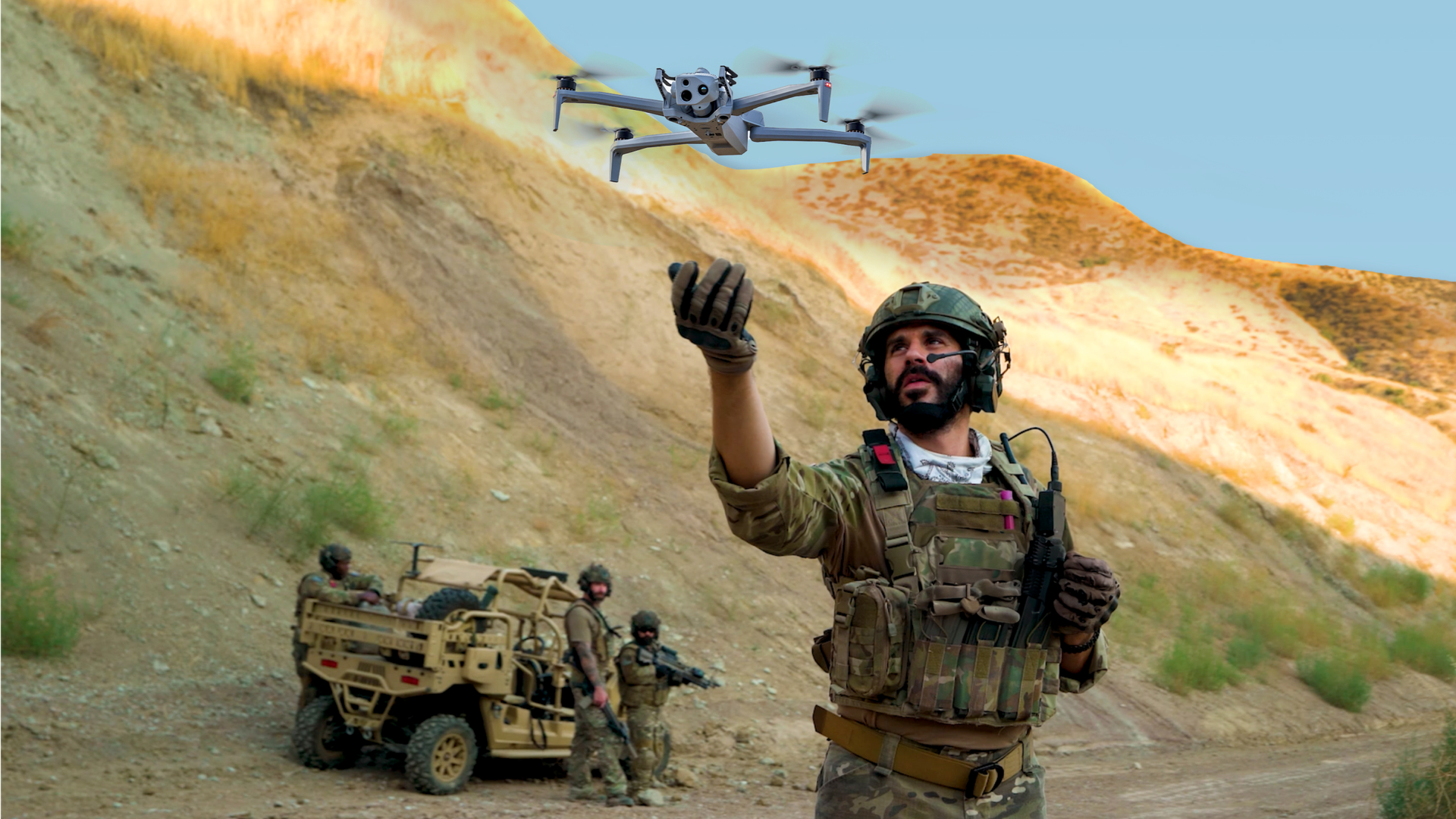
Ericsson announced that its latest network‑sensing technology can identify and track low‑altitude drones using existing mobile‑phone infrastructure, a capability that could reshape how authorities monitor unauthorized aircraft.
The system leverages the ubiquitous coverage of cellular towers, turning them into passive radar nodes that pick up the radio signatures emitted by unmanned aerial vehicles. By analysing subtle variations in signal strength and timing, the platform can pinpoint a drone’s location without requiring dedicated radar hardware.
Early field tests have already taken place in the United States and Finland. AT&T partnered with Ericsson to evaluate the technology across several urban sites, while Finnish provider Erillisverkot conducted similar trials in more rural settings. Both pilots reported successful detection of small, low‑flying UAVs that would typically evade conventional air‑traffic monitoring.
Industry observers note that the approach could provide regulators with a cost‑effective supplement to existing air‑space oversight tools. Because the solution piggybacks on already‑deployed cellular equipment, the incremental expense is modest compared to installing dedicated radar or acoustic sensors.
Privacy advocates, however, caution that expanding the surveillance reach of mobile networks raises questions about data handling and oversight. Ericsson says the system processes raw signal data locally and only forwards anonymised detection events to authorized users, but the exact governance framework remains under discussion.
For drone operators, the development signals a potential shift in the risk landscape. Hobbyists and commercial users alike may need to consider that flying below typical aviation radar thresholds no longer guarantees anonymity, especially in densely covered urban areas.
Regulators are watching the technology closely. The Federal Aviation Administration and European Union Aviation Safety Agency have both expressed interest in how network‑based detection could be integrated into existing unmanned traffic management schemes, but formal rules are still pending.
Looking ahead, Ericsson plans to refine the algorithm to distinguish between drones and other low‑altitude objects such as birds or weather balloons, aiming to reduce false alarms. If the technology scales as expected, mobile operators could become a frontline defense against rogue UAV activity, reshaping the balance between innovation in drone usage and public safety concerns.



Comments (0)
Be the first to comment.
Join the discussion