Old Televisions Find New Life: How to Reuse or Recycle Instead of Tossing
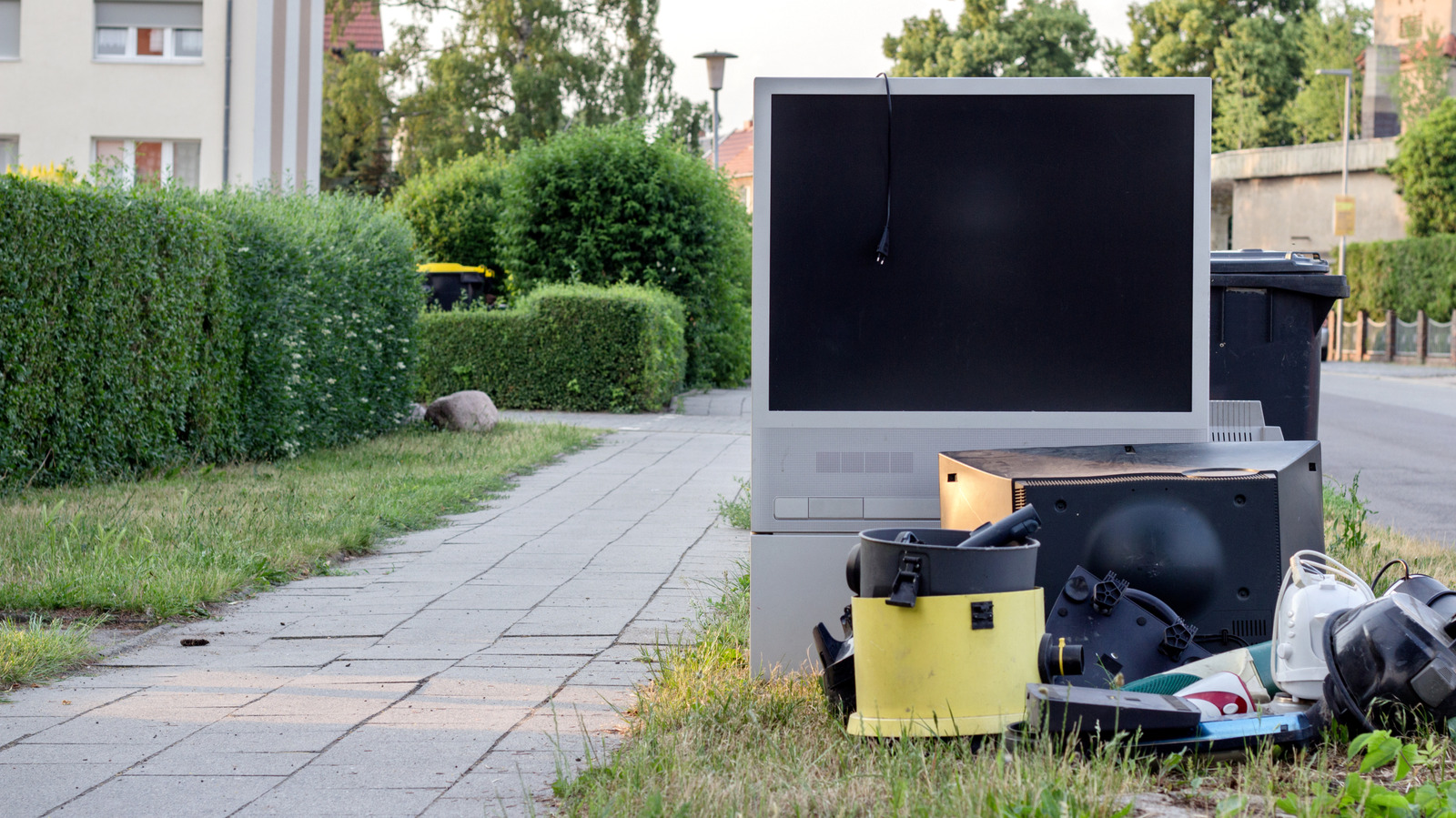
When a household upgrades to a newer, slimmer screen, the outgoing television often ends up in a landfill, adding to a growing stream of electronic waste. Environmental groups and consumer advocates are urging owners to consider alternative routes—such as donation, resale, or proper recycling—before discarding their old sets.
Modern flat‑panel TVs contain valuable components, including copper, aluminum, and rare earth metals that can be reclaimed and reintroduced into manufacturing cycles. When these devices are sent to generic trash, those materials are lost, and the toxic substances inside—like lead solder and brominated flame retardants—risk contaminating soil and water. Municipal recycling programs, many of which now accept large appliances, provide a safer pathway for extracting these resources.
Beyond material recovery, several nonprofit organizations accept functional televisions for redistribution to schools, community centers, and low‑income families. Charities such as the National Alliance for Media Access and local shelters have reported a steady demand for working sets, which can support education and entertainment in under‑served areas. Even when a TV is no longer suitable for viewing, its chassis can be repurposed into furniture, art installations, or DIY home‑theater projects, extending its utility and reducing waste.
Regulations governing electronic waste vary by jurisdiction, but many regions now require retailers to accept trade‑ins or to provide free collection services for large electronics. In the United States, the EPA’s Responsible Recycling (R2) certification guides certified recyclers in handling hazardous components safely. Consumers can locate nearby R2‑certified facilities through online directories or by contacting local waste‑management agencies.
Experts suggest that before a TV is declared obsolete, owners should assess its condition, explore donation platforms like Freecycle or local classifieds, and check municipal guidelines for e‑waste pickup. By taking these steps, households can divert significant amounts of material from landfills, support community needs, and contribute to a circular economy that lessens the environmental impact of rapid technology turnover.



Comments (0)
Be the first to comment.
Join the discussion