UK Law Halts Live Tracking for Stolen Cars, Kia Confirms
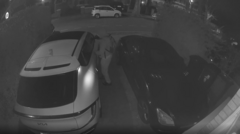
Vehicle owners in the United Kingdom hoping their car's built-in location tracking system could directly aid in the live recovery of a stolen vehicle may need to adjust their expectations. Automaker Kia has indicated that UK legal frameworks currently prevent the activation of its live vehicle tracking function for such purposes.
The revelation came following an inquiry by BBC Technology, to which Kia clarified that existing UK legislation restricts its ability to remotely monitor the real-time location of vehicles, even in cases of theft. This position highlights a significant limitation on a feature often perceived by consumers as a primary defense against automotive crime.
For many years, the presence of sophisticated tracking technology within modern automobiles has offered a sense of security to owners concerned about theft. However, experts in vehicle security have often cautioned against over-reliance on these systems for direct, immediate recovery, pointing to various practical and legal hurdles. Kia's statement underscores one such critical legal barrier specific to the UK.
The implications of this legal constraint are substantial for car owners. While some vehicles may possess the technological capability to transmit location data, the inability of manufacturers to access and utilize this data for live tracking due to legal prohibitions means that the feature's perceived utility for theft recovery is significantly diminished within the UK. This could lead to disappointment for individuals who have invested in vehicles with such capabilities, expecting a direct intervention in the event of a theft.
Such legal restrictions are typically rooted in broader privacy and data protection regulations, such as the General Data Protection Regulation (GDPR) and national data protection acts. These laws often place stringent conditions on how personal data, including location information, can be collected, stored, and utilized, even by the original equipment manufacturers. Without explicit legal provisions or clear consent mechanisms that satisfy these regulations for live tracking of stolen assets, companies may find themselves unable to act.
Instead, the conventional advice for victims of car theft remains paramount: immediately report the incident to law enforcement. Police forces possess the legal authority and protocols to investigate thefts and, where applicable, can access vehicle tracking data through official channels, often requiring a warrant or specific legal requests, rather than direct, real-time access by the manufacturer.
This situation prompts a broader discussion about consumer understanding of in-car technologies and the jurisdictional variations in their application. As automotive technology continues to advance, clearer communication from manufacturers about the precise capabilities and legal limitations of their security features in different markets will become increasingly vital to manage consumer expectations effectively and ensure transparency.



Comments (0)
Be the first to comment.
Join the discussion