TP-Link Router Availability in the U.S. Delayed Amid Ongoing China‑Separation Scrutiny
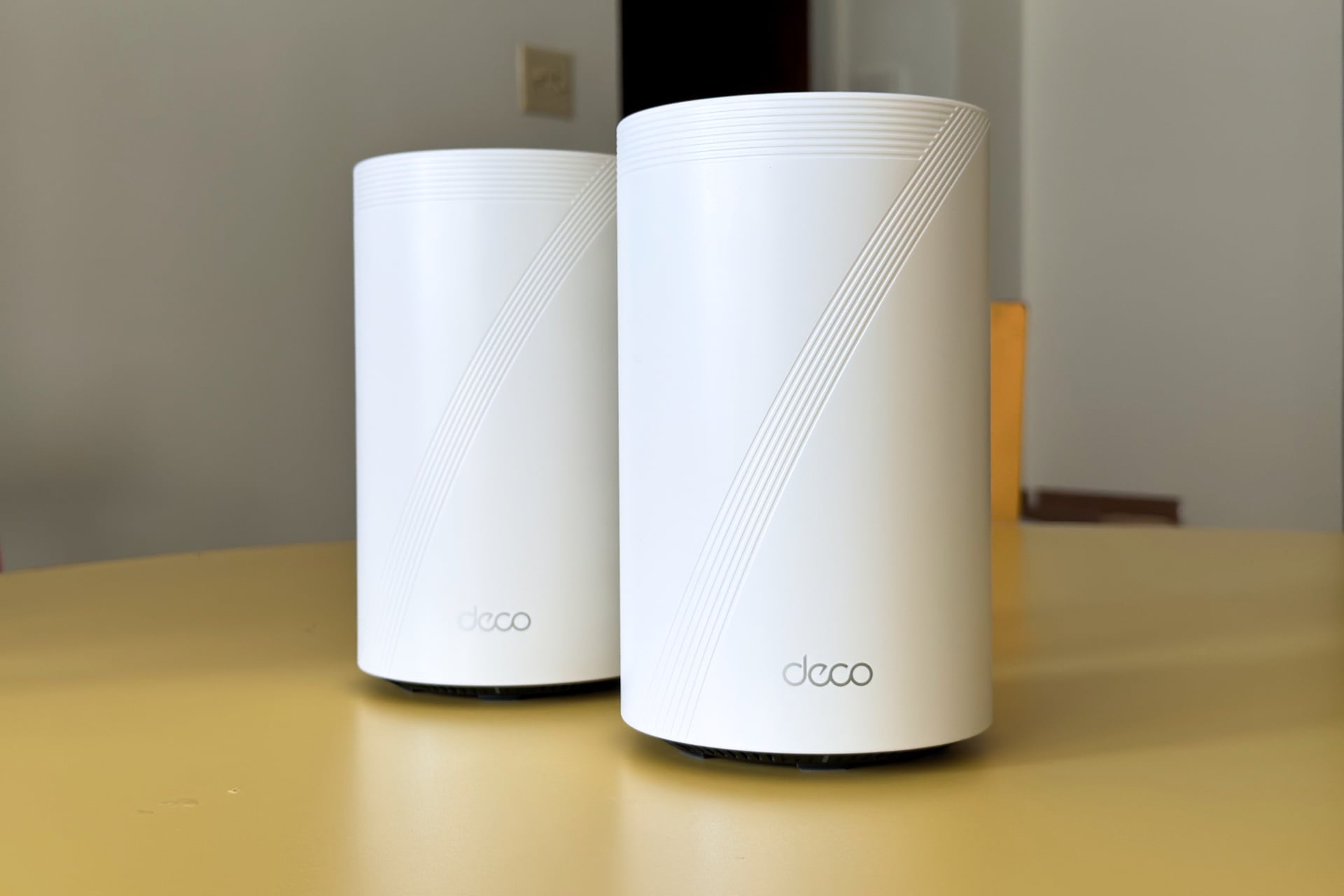
Consumers looking to purchase a new TP-Link router in the United States may have to wait longer than expected, as the company works to demonstrate its operational independence from China. Regulatory and security concerns have stalled the release of updated models, prompting industry analysts to warn that the delay could extend for months.
The issue stems from heightened scrutiny of Chinese‑origin technology following a series of U.S. government actions aimed at limiting potential espionage risks. Federal agencies have increasingly required firms to provide evidence that their supply chains, design processes, and data handling practices are free from influence by the Chinese government. TP-Link, a major global networking equipment manufacturer, has been asked to submit detailed documentation to satisfy these requirements.
TP-Link has publicly asserted that it has taken steps to separate its U.S. operations from its Chinese parent, including establishing independent research and development facilities and relocating key components of its manufacturing to other regions. However, officials have indicated that the evidence presented so far does not yet meet the threshold for clearance, leaving the company in a holding pattern while it refines its compliance strategy.
The delay affects both consumer and business customers who rely on TP-Link’s affordable Wi‑Fi routers and mesh networking solutions. Retailers have reported low inventory levels for the brand’s latest models, and some have begun recommending alternative vendors that have already cleared U.S. security reviews. The uncertainty also puts pressure on TP-Link’s market share in a segment that has seen rapid growth as remote work and smart‑home devices proliferate.
Industry observers note that the situation reflects a broader trend in which U.S. regulators are tightening oversight of hardware that could be used to collect data or interfere with networks. Similar actions have been taken against other Chinese‑linked firms, leading to a wave of product recalls, bans, and heightened compliance demands. Companies that can quickly demonstrate transparent supply chains and independent governance are more likely to regain market access.
Looking ahead, TP-Link’s ability to resume sales will depend on its capacity to provide verifiable proof of separation and to satisfy ongoing audits by the Federal Communications Commission and other relevant agencies. Until such clearance is granted, U.S. consumers may need to explore other brands for new networking equipment, while the company continues to negotiate its path back to the market.



Comments (0)
Be the first to comment.
Join the discussion