How the Written Word Shapes the Pace of Cultural Evolution
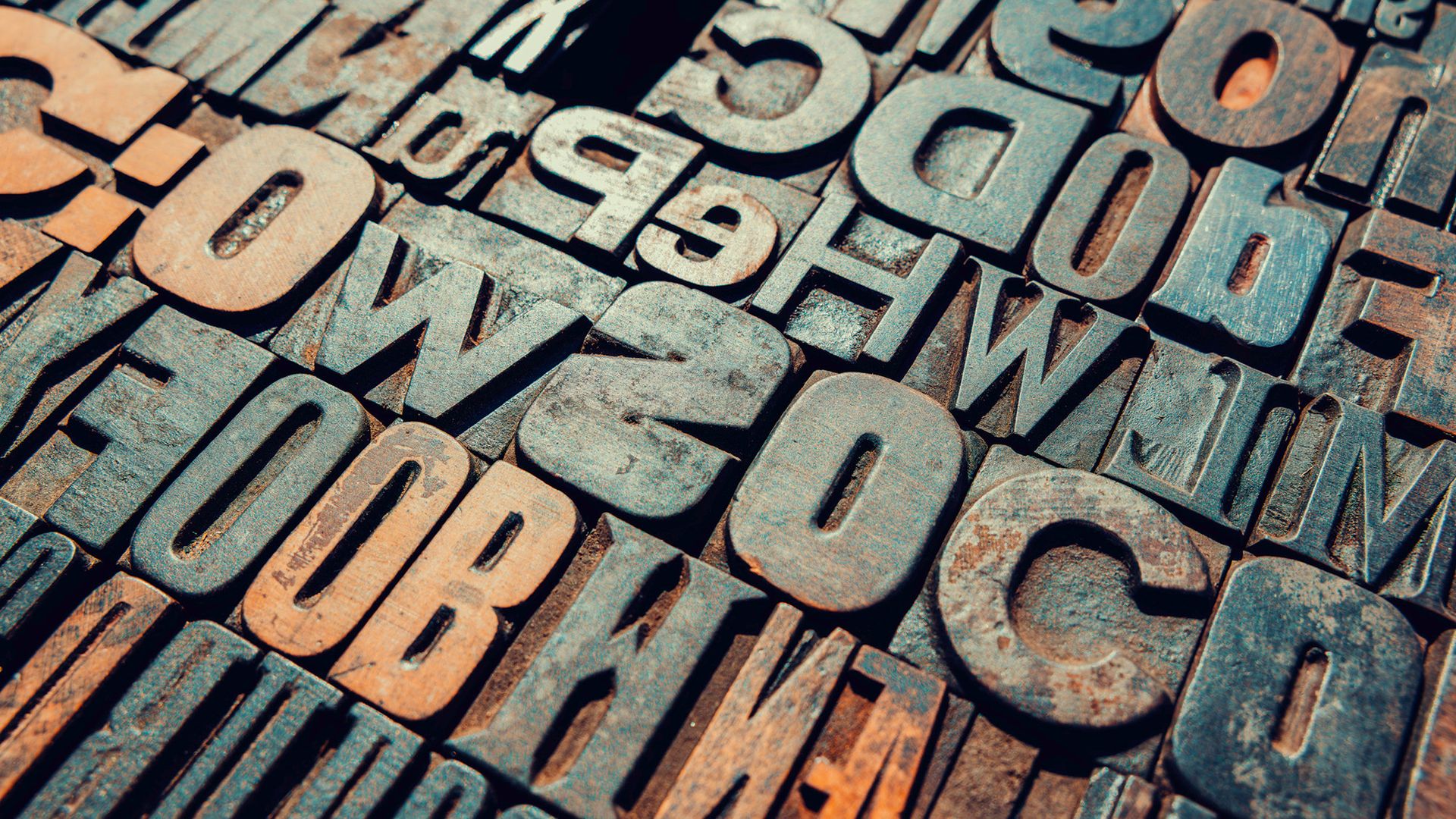
The invention of writing transformed humanity from a society of oral storytellers into a civilization capable of preserving knowledge across generations, prompting scholars to ask whether the medium accelerates or impedes cultural change.
From clay tablets in ancient Mesopotamia to the printed page and today’s digital screens, the ability to record ideas has ensured that scientific formulas, philosophical treatises, and artistic works survive long after their creators are gone. Without such records, many breakthroughs in mathematics and physics would have vanished, leaving later generations to rediscover them anew.
Yet the same permanence can act as a double‑edged sword. Once an idea is codified in text, it gains a degree of authority that can resist reinterpretation. Historical examples include doctrines that lingered in legal codes or religious texts long after the contexts that birthed them had faded, sometimes slowing the adoption of new perspectives.
Modern commentators note that the shift from handwritten manuscripts to mass‑produced books in the fifteenth century dramatically widened access to information, fostering the Renaissance and the scientific revolution. Conversely, the rapid spread of printed pamphlets also helped entrench dogmas, as dissenting voices struggled to compete with established publications.
Digital platforms have added another layer to the debate. On one hand, the internet allows instant sharing of research, enabling collaborative breakthroughs at unprecedented speed. On the other, the sheer volume of written content can create echo chambers, where prevailing narratives are amplified and alternative ideas find it harder to break through.
Experts suggest that the impact of writing on cultural change is not binary but contingent on how societies manage the balance between preservation and openness. Educational systems, publishing norms, and technological infrastructure all influence whether the written word serves as a catalyst for innovation or a repository of outdated concepts.
Looking ahead, the ongoing evolution of how we produce and consume text—through artificial intelligence, interactive media, and new forms of collaborative authorship—will likely reshape the dynamics of cultural transformation. The question remains: will these advances unlock faster adaptation, or will they cement the next generation of ideas in an even more durable digital stone?


Comments (0)
Be the first to comment.
Join the discussion