Viral Parrot’s Cough Mimicry Revives Debate Over Animal Schadenfreude
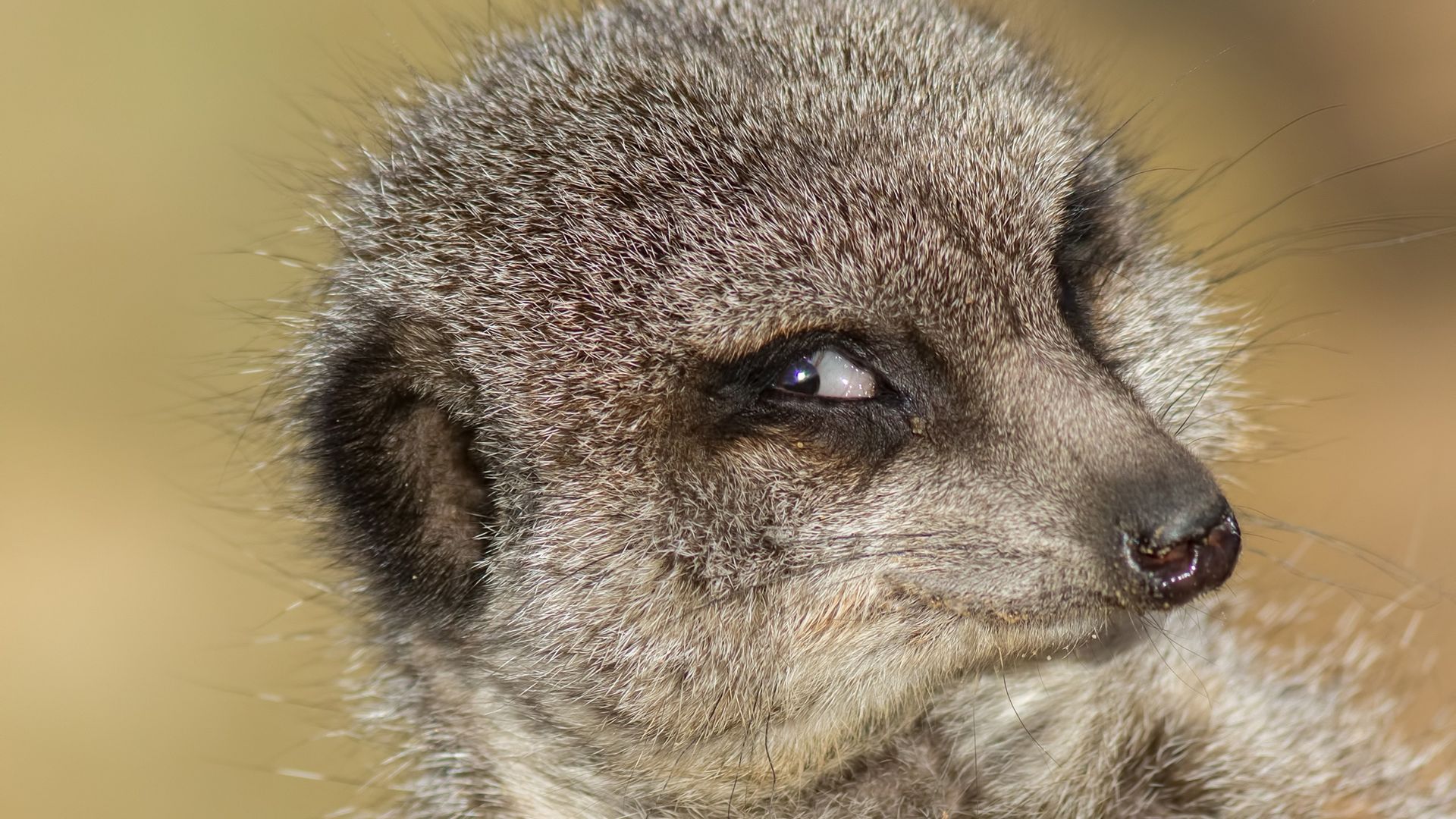
A video of an African gray parrot named Jack imitating the labored coughs of her owner’s father went viral in 2023, prompting scientists and the public alike to wonder whether animals can experience schadenfreude – the pleasure derived from another’s misfortune.
The clip shows Jack perched beside a man whose breathing is limited by severe chronic obstructive pulmonary disease. As the man struggles to speak, the bird reproduces the wheeze and cough with uncanny accuracy, pausing only to emit a short, almost amused squawk. Viewers described the moment as both unsettling and oddly humorous, sparking a flood of comments that debated the bird’s motivations.
Schadenfreude, a term rooted in German psychology, refers to a specific emotional response that has been extensively mapped in humans through neuroimaging and behavioral studies. It typically involves activation of reward centers in the brain when observing another’s setback, especially when that individual is perceived as deserving of the outcome.
Research on animal emotions has documented a range of complex feelings, from empathy in elephants to jealousy in dogs. Some primate studies have observed individuals appearing to relish the failure of rivals, but such interpretations remain contentious because observable behavior can stem from multiple, non‑emotional drivers.
Experts caution against reading too much into Jack’s performance. African gray parrots are renowned for their vocal mimicry and often repeat sounds that attract attention from humans. The bird’s replication of the cough could simply be a learned response that yields social interaction or treats, rather than an indication of delight at the man’s discomfort.
The episode underscores a broader challenge in animal cognition: distinguishing genuine affective states from conditioned or opportunistic behaviors. Accurate assessment matters for animal welfare policies, as acknowledging complex emotions could shape how societies treat captive and domestic species.
Future investigations will likely involve controlled experiments that isolate variables such as reward expectancy, audience presence, and the animal’s prior experiences with the target’s distress. By systematically measuring physiological markers alongside behavioral cues, researchers hope to clarify whether non‑human animals can experience the nuanced pleasure that defines human schadenfreude.
Until such data are available, Jack’s viral moment remains a vivid illustration of how a single animal’s action can reignite age‑old questions about the inner lives of the creatures with whom we share our world.


Comments (0)
Be the first to comment.
Join the discussion