Disc vs. Disk: Why the One‑Letter Difference Matters in Tech
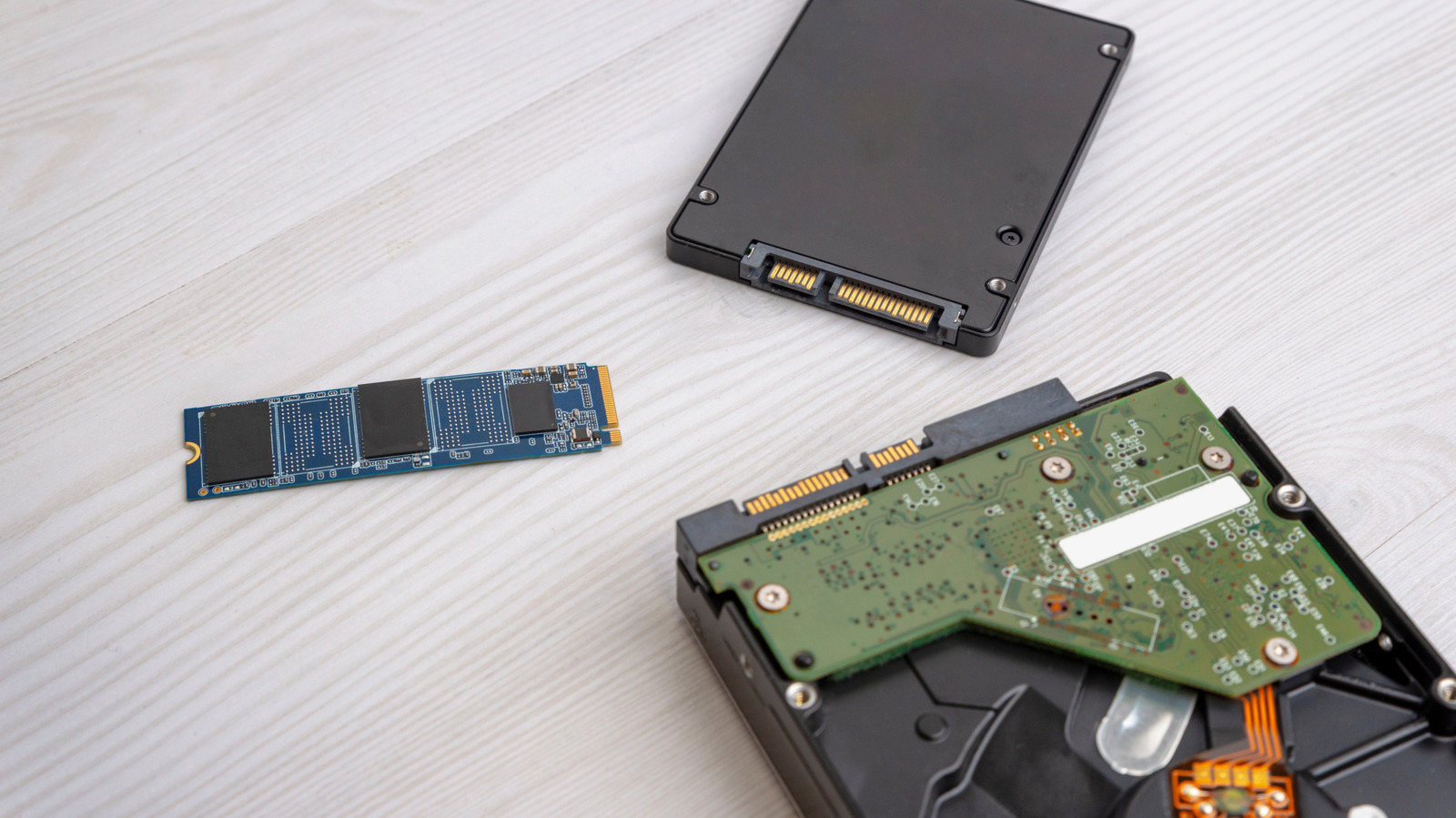
Although they sound identical and differ by only one letter, “disc” and “disk” follow separate spelling conventions that signal distinct kinds of media.
The two forms trace back to different linguistic roots: “disc” entered English via French from the Latin “discus,” while “disk” is a more direct borrowing from the Greek “diskos.” Over time, British English has tended to favor “disc,” whereas American English more often adopts “disk,” though both spellings appear in each dialect.
In practice the split is most visible in technology. Optical storage—compact discs, DVDs and Blu‑ray discs—are consistently written with a “c.” The term reflects the circular, flat shape of the media and the industry’s early branding choices. By contrast, magnetic storage devices such as hard‑drive platters, floppy “disks,” and solid‑state “disk” images are usually spelled with a “k.” This convention extends to software, where a “disk image” (a .iso or .dmg file) represents a copy of a physical disc, but the file itself is often called a “disk image” with a “k.”
Computer operating systems also reinforce the distinction. Unix‑like systems label block devices as “/dev/sda” for a “disk,” while the term “disc” appears in user‑facing documentation for optical drives. Microsoft’s Windows documentation typically uses “disk” for both logical volumes and optical media, adding to the confusion.
Maintaining the correct spelling matters for clarity in technical writing, search engine optimization, and legal branding. A mis‑spelled “disk” in a product name can affect trademark searches, and inconsistent usage in manuals can hinder troubleshooting for users who rely on precise terminology.
The trend today shows a gradual blurring of the line, especially as physical media give way to cloud‑based storage. Nonetheless, style guides from major publishers and standards bodies continue to recommend the traditional split—“disc” for optical and “disk” for magnetic or virtual storage—so the distinction is likely to persist for the foreseeable future.



Comments (0)
Be the first to comment.
Join the discussion