Fossil Tooth Chemistry Reveals Cretaceous Dinosaurs Dined on Seaweed
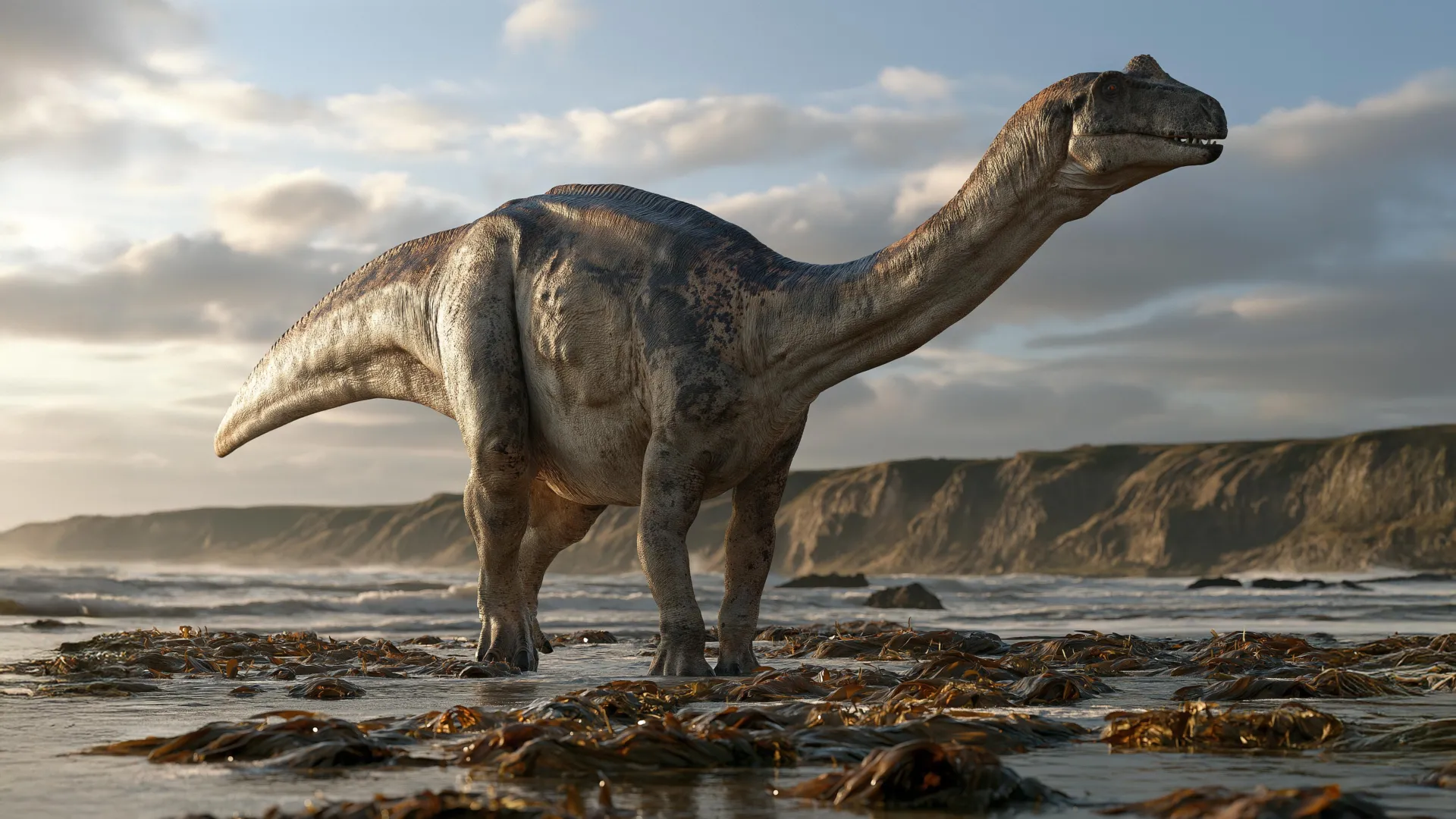
New chemical analysis of fossilized teeth suggests that some dinosaurs that roamed coastal regions more than 100 million years ago incorporated seaweed and other marine vegetation into their diets, challenging the traditional view of strictly terrestrial herbivory among these reptiles.
The study, conducted by a team of paleontologists and geochemists, examined microscopic residues trapped in the enamel of several well‑preserved specimens. By identifying biomarkers that are characteristic of marine algae, the researchers inferred that the animals had regularly consumed food sourced from near‑shore ecosystems.
While dinosaurs are widely recognized for their varied feeding strategies—ranging from massive carnivores to towering plant‑eaters—most dietary reconstructions rely on tooth shape, wear patterns, and stomach contents preserved in rare cases. The presence of marine-derived chemical signatures adds a new dimension, indicating that at least some species exploited the abundant resources of ancient shorelines, where tidal flats and mangrove‑like habitats would have supported prolific growth of seaweed.
These findings align with growing evidence that the Late Cretaceous world was a mosaic of interconnected habitats. Coastal floodplains, river deltas, and shallow seas created ecological corridors that allowed terrestrial and marine organisms to interact more closely than previously appreciated. By expanding their foraging range to include marine plants, dinosaurs may have gained nutritional advantages during periods of seasonal scarcity on land.
The researchers caution that the chemical traces do not pinpoint a single species but rather point to a broader pattern among coastal dinosaurs and possibly other contemporaneous reptiles. Future work will aim to correlate these biomarkers with specific tooth morphologies and geographic locations, refining our understanding of how widespread this behavior was. If confirmed across additional sites, the discovery could reshape models of Cretaceous food webs and highlight the adaptive flexibility of dinosaurs in exploiting diverse environments.


Comments (0)
Be the first to comment.
Join the discussion