Digital Game Purchases Remain Licenses, Not Ownership, as Options Shrink
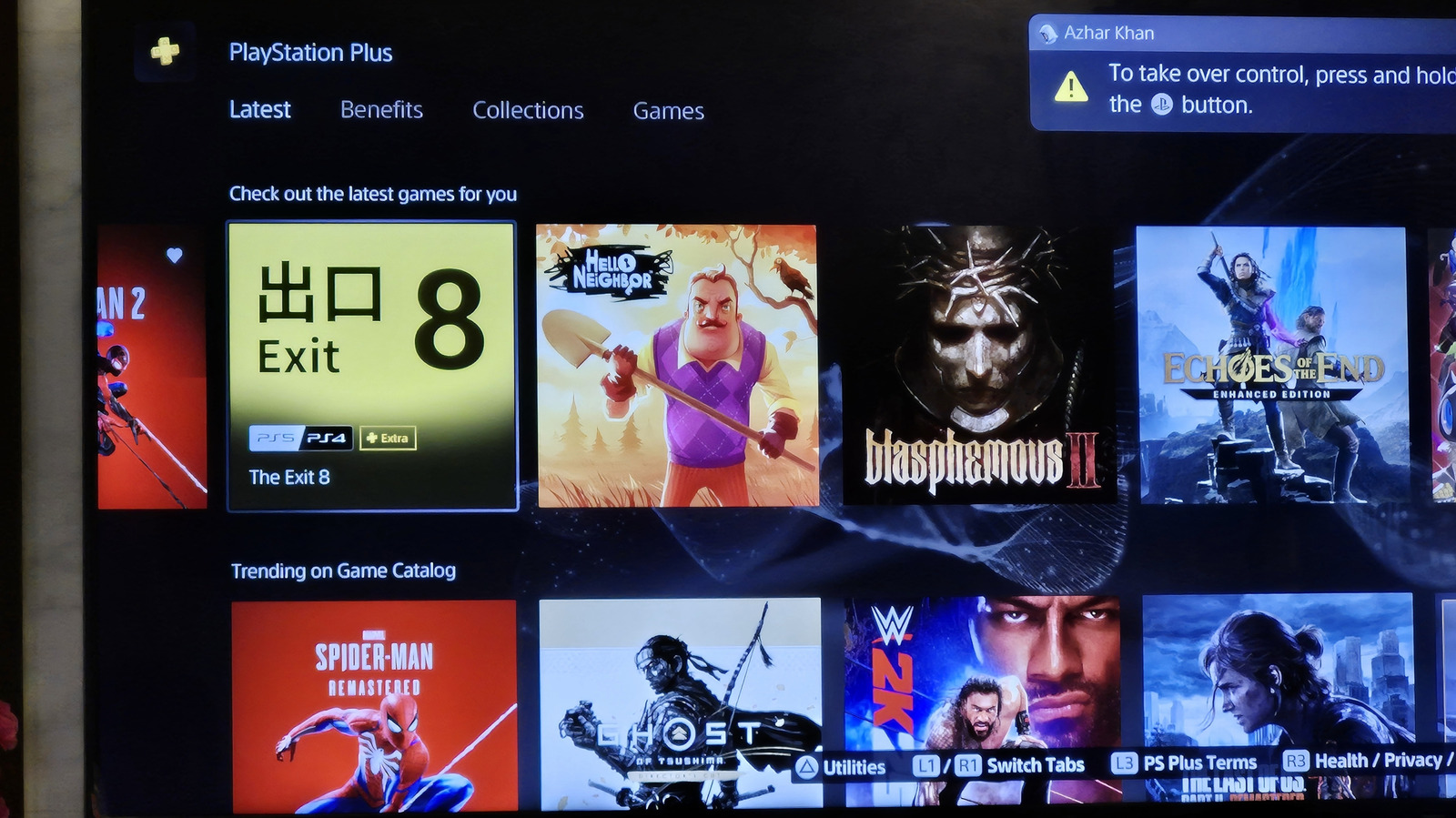
Consumers who think they own the video games they download may soon discover that the reality is more akin to a license that can be revoked at any moment, a trend that is tightening the gap between true ownership and digital access.
Industry analysts note that most digital storefronts treat purchases as conditional agreements rather than outright property transfers. When a user buys a title on platforms such as Steam, the Epic Games Store, or console marketplaces, the transaction is technically a license to use the software, subject to the provider’s terms of service. Those terms often include clauses that allow the provider to suspend or terminate access if the user breaches the agreement, or if the publisher withdraws the game for licensing, legal, or financial reasons.
Recent high‑profile incidents have highlighted the fragility of these licenses. Games have vanished from storefronts after music or branding rights expired, and some titles have become unplayable after servers were shut down, leaving owners with unusable files. In a few cases, entire libraries have been rendered inaccessible after platform closures, underscoring the risk that digital collections are tied to the continued operation of a single service.
Legal scholars argue that the lack of clear consumer protections around digital purchases creates a precarious situation for gamers. Unlike physical media, which can be resold, lent, or archived, digital copies are locked within the ecosystem that sold them. This limitation reduces the resale market, hampers preservation efforts, and forces consumers to rely on the goodwill and longevity of platform operators.
As the industry evolves, some developers and publishers are experimenting with alternative distribution models that aim to restore a measure of ownership. Options such as DRM‑free releases, blockchain‑based ownership tokens, and direct‑to‑consumer sales platforms are gaining modest traction, though they remain niche compared with dominant storefronts. Observers suggest that broader adoption of these models could provide a buffer against the unilateral removal of games, but widespread change is likely to be gradual.
For now, buyers are advised to read licensing agreements carefully, maintain backups where permitted, and consider supporting titles that offer DRM‑free versions. The ongoing debate over digital rights continues to shape how gamers access and retain their collections, and future regulatory developments may further define the balance between corporate control and consumer ownership.



Comments (0)
Be the first to comment.
Join the discussion