New Study Ignites Debate: Were Ancient Egyptian Princesses Skilled with Weapons?
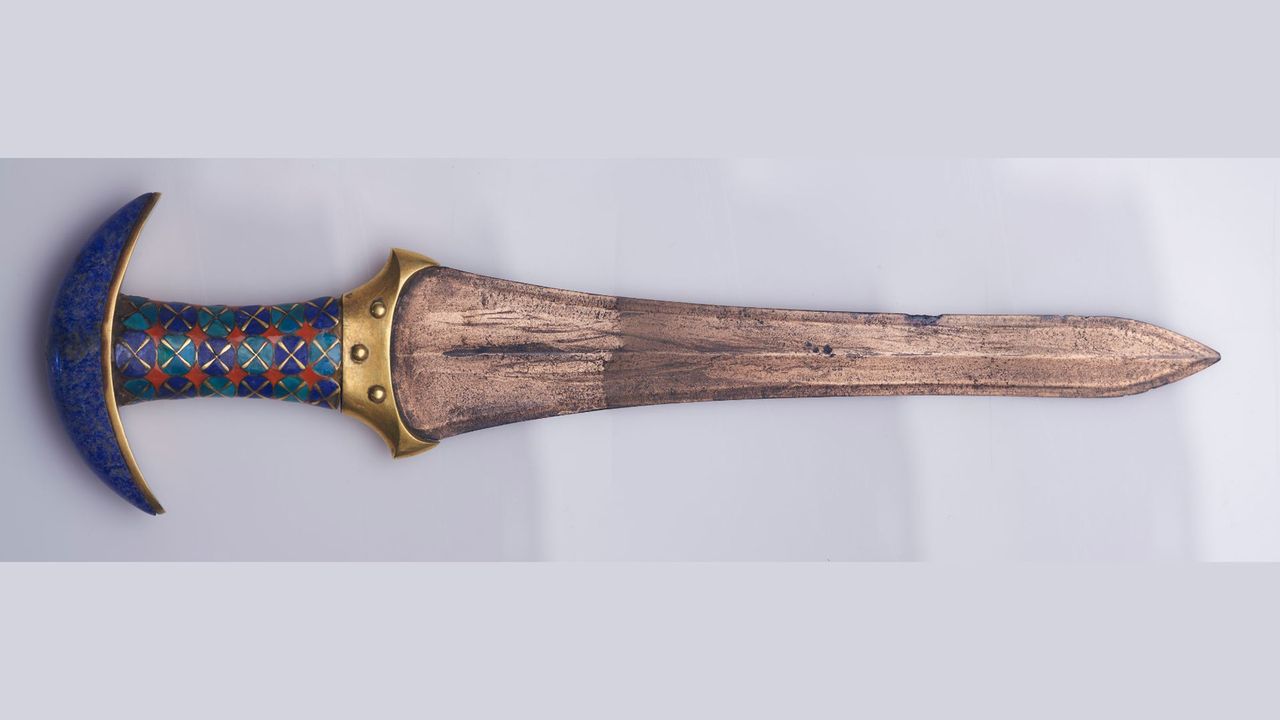
A recent study is challenging long-held assumptions about the roles of royal women in ancient Egypt, suggesting that several princesses may have been actively involved in activities traditionally associated with men, such as hunting or military training. The controversial research posits that weapons interred with these royal figures were not merely symbolic grave goods but tools they trained with and potentially used during their lifetimes.
Researchers examined the burial sites of several ancient Egyptian princesses, noting the presence of bows, arrows, and a dagger among their grave possessions. The study proposes that these artifacts indicate a practical engagement with weaponry, which could point to royal women participating in archery practice, hunting expeditions, or even receiving some form of military instruction, a notion that deviates significantly from conventional historical interpretations.
For centuries, the prevailing view of ancient Egyptian royal women has emphasized their roles within domesticity, religious ceremonies, and dynastic succession. Their public image was often linked to fertility, piety, and the maintenance of cosmic order, with little to no focus on martial prowess or engagement in physically demanding activities outside the household or temple.
However, the new study has not been met with universal acceptance within the Egyptological community. Critics and other experts argue that the mere presence of weapons in a tomb does not definitively prove active use by the deceased. They suggest that such items could have been ceremonial, symbolic representations of power, status, or protection in the afterlife, rather than implements the princesses wielded themselves.
If the study's claims gain wider acceptance, they could fundamentally reshape our understanding of female agency and societal structures within the ancient Egyptian elite. It would imply a more diverse range of activities and responsibilities for royal women than previously acknowledged, potentially challenging modern perceptions of ancient gender norms and the extent of female influence.
The research, originally highlighted by LiveScience, underscores the ongoing process of historical re-evaluation driven by new analytical approaches to archaeological evidence. While the examination of royal remains and associated artifacts provides tangible data, the interpretation of their significance often sparks vigorous academic debate, especially when it challenges established narratives.
Ultimately, this controversial study opens a new avenue for discussion among Egyptologists, prompting further investigation into the lives of ancient Egyptian princesses. It encourages scholars to reconsider the potential for nuanced and multi-faceted roles for women in one of history's most fascinating civilizations, even as the question of their martial involvement remains a subject of intense scholarly scrutiny.


Comments (0)
Be the first to comment.
Join the discussion