DeepMind Unveils Gemini Robotics 2.5 and Publishes First Open‑Source Safety Test
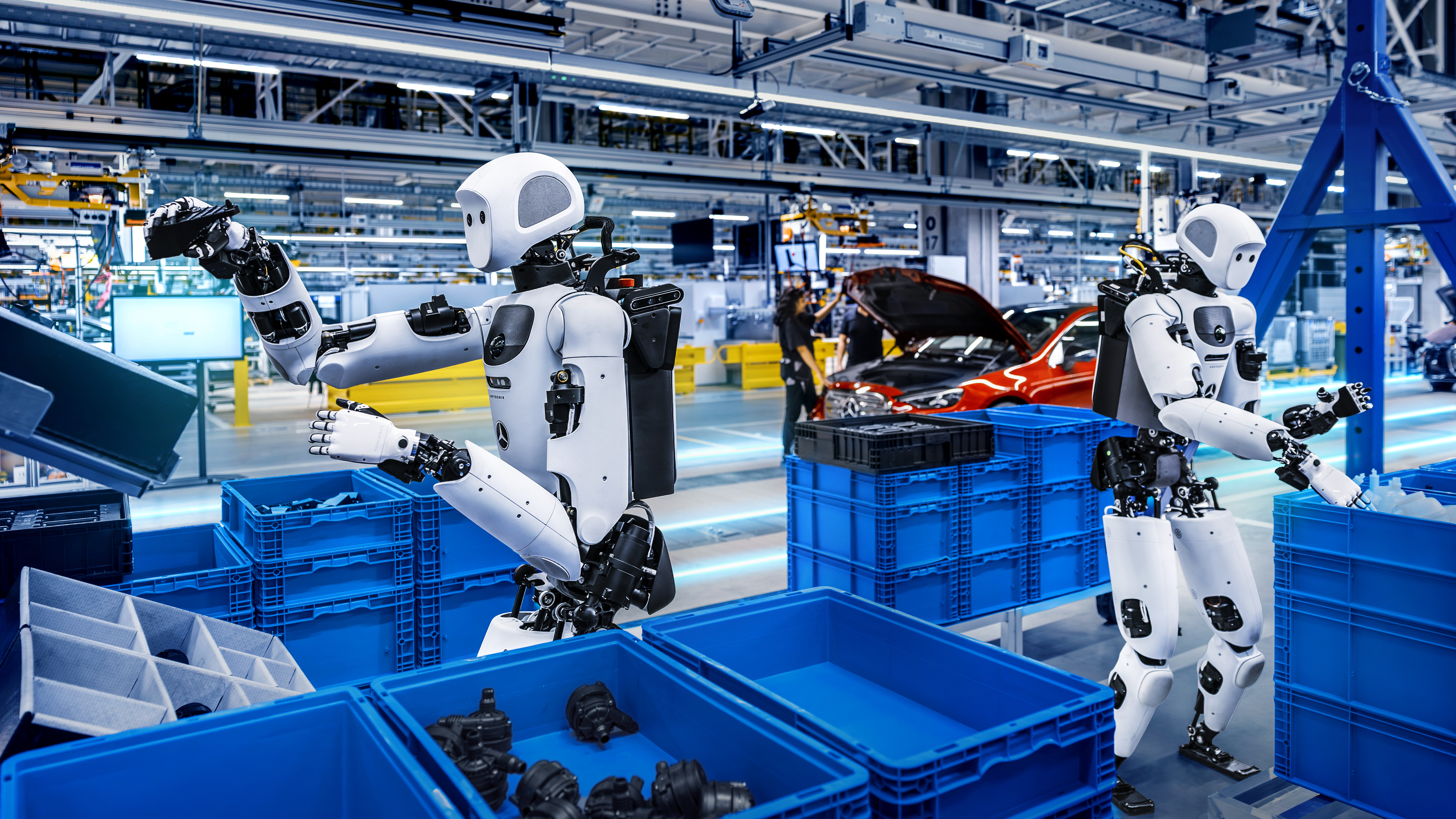
Google's DeepMind division announced the latest iteration of its Gemini Robotics platform, dubbed Gemini Robotics 2.5, in a briefing that highlighted the system's growing ability to perform everyday tasks with a level of competence that approaches human performance.
The update introduces a suite of software improvements that tighten the integration between Gemini's large‑language‑model core and the physical control loops that drive robot manipulators. According to DeepMind, the enhancements enable several prototype robots to complete real‑world work assignments—such as sorting items on a conveyor, assembling simple components, and navigating cluttered environments—without direct human teleoperation.
Alongside the product rollout, DeepMind released an open safety benchmark called "ASIMOV‑jailbreak." The benchmark is designed to evaluate how robustly a robotic AI can resist prompt‑injection attacks that aim to override built‑in safety constraints. By publishing the test suite publicly, DeepMind hopes to encourage broader community scrutiny of safety mechanisms in embodied AI systems.
The Gemini platform builds on earlier versions that combined multimodal perception with language‑guided planning. While previous releases demonstrated feasibility in controlled lab settings, the 2.5 version marks a shift toward more autonomous operation in dynamic, unstructured spaces. Industry observers note that achieving reliable task execution in such conditions is a key hurdle for commercial deployment of service robots.
DeepMind's decision to open the ASIMOV‑jailbreak benchmark reflects growing concerns about the potential misuse of powerful language models embedded in physical agents. Researchers have warned that malicious prompts could coax robots into unsafe actions, making transparent testing frameworks essential for responsible development.
Looking ahead, DeepMind indicated that future work will focus on scaling the platform to more complex tasks and expanding the benchmark to cover a wider range of safety scenarios. The company’s move may prompt other AI labs to adopt similar open‑source safety standards, potentially shaping the regulatory landscape for robotics as the technology moves from prototype to production.



Comments (0)
Be the first to comment.
Join the discussion