Scientists Discover Rich Ecosystems Inside Metal‑Laden Seafloor Rocks as Mining Plans Loom
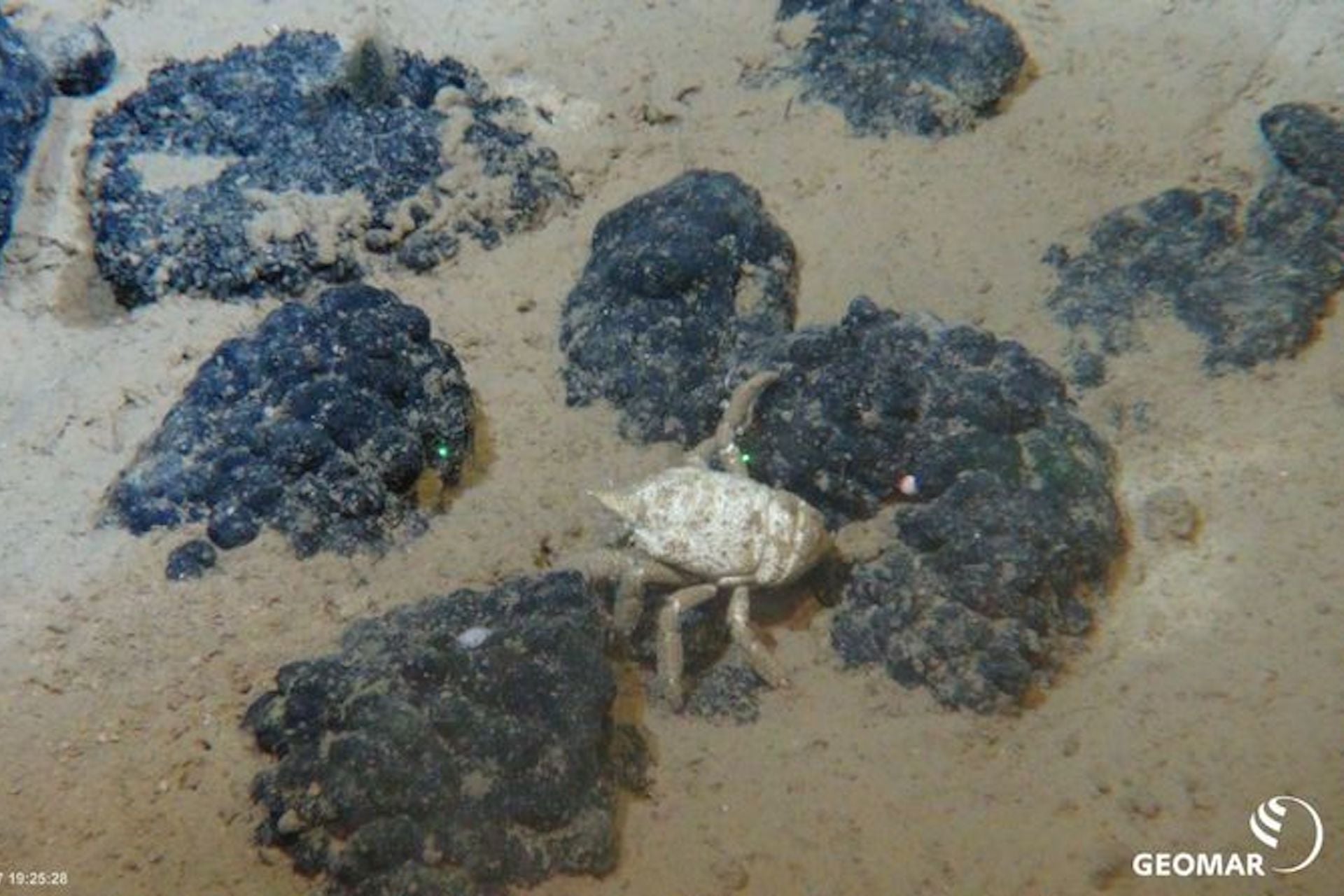
Marine researchers have documented dense communities of tiny animals thriving inside the porous interiors of metal‑rich rocks on the ocean floor, a finding that could complicate plans by deep‑sea mining firms to harvest the same formations for valuable metals.
The study focused on rock outcrops that contain high concentrations of cobalt, nickel and other elements prized for batteries and electronics. Inside the cavities of these formations, scientists counted thousands of organisms, ranging from microscopic crustaceans to filter‑feeding worms, all living in a network of interlinked chambers that provide shelter and a steady flow of nutrients.
Companies interested in extracting these mineral deposits argue that the growing demand for clean‑energy technologies makes deep‑sea mining an essential component of future supply chains. The targeted rocks, often referred to as polymetallic nodules or cobalt‑rich crusts, lie at depths of several thousand meters, where traditional mining is impossible and robotic, remotely operated vehicles are required.
Environmental groups and many scientists warn that the ecosystems uncovered are among the least understood on the planet. Because the organisms have adapted to the high‑pressure, low‑light conditions of the deep ocean, any disturbance could have cascading effects that are difficult to predict. The discovery of such abundant life within the rocks challenges the assumption that these mineral deposits are barren and underscores the need for comprehensive ecological assessments.
Regulators in several jurisdictions are currently reviewing proposals for commercial extraction, and the new findings are likely to influence the debate. International bodies such as the International Seabed Authority have called for precautionary measures and more extensive baseline studies before any large‑scale operations commence.
The researchers stress that further exploration is required to map the full extent of the biodiversity associated with these rocks and to understand how the organisms interact with the mineral substrate. Until such knowledge is gained, they recommend a cautious approach that balances resource needs with the preservation of unique deep‑sea habitats.



Comments (0)
Be the first to comment.
Join the discussion