Dark‑Web Sale of Rental‑Company Driver’s License Scan Raises Privacy Alarm
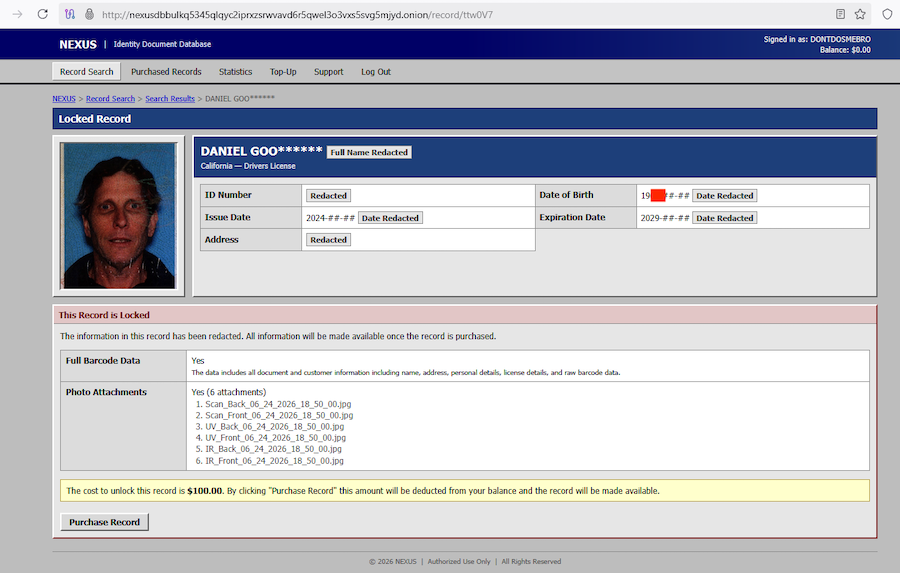
A recent investigation by cybersecurity outlet KrebsOnSecurity has uncovered that a high‑resolution image of a driver’s license was posted for sale on a dark‑web marketplace just hours after the document was scanned by an employee of a major car‑rental firm. The incident was first reported by Ars Technica, which detailed how the leak occurred during a routine rental of an SUV.
According to the exposé, the rental process required the customer’s license to be swiped and stored in the company’s internal system. Within a short window, the scanned image appeared on a site known for trafficking personal data, where it was listed alongside other stolen records for a modest price. The seller claimed the file was a “high‑resolution scan” of a valid driver’s license, matching the details provided during the rental.
The breach highlights a growing concern over how vehicle‑rental companies handle personally identifiable information (PII). Industry analysts note that rental agencies collect a range of sensitive data, including government‑issued IDs, credit‑card numbers, and travel itineraries, all of which are attractive to cybercriminals. While many firms employ encryption and limited retention policies, the rapid appearance of this license scan suggests a lapse in internal controls or an insider threat.
Cybersecurity experts emphasize that the dark web has become a marketplace for even single data points, such as driver’s license images, because they can be used for identity theft, fraudulent rentals, or to bypass age‑restricted services. The availability of a clear, high‑resolution scan makes it easier for fraudsters to replicate the document or to feed automated verification tools that rely on visual cues.
The rental company at the center of the incident has not issued a formal statement, but a spokesperson indicated that the organization is cooperating with law‑enforcement agencies and conducting a forensic review of its data‑handling procedures. No evidence has yet been made public linking the leak to a specific employee or external breach.
Regulators and consumer‑advocacy groups are calling for stricter oversight of how rental firms store and transmit PII. In the United States, the Federal Trade Commission has previously warned that inadequate data protection can result in enforcement actions, while state privacy laws such as California’s CCPA impose notification duties when personal data is compromised.
For motorists, the incident serves as a reminder to monitor credit reports and consider placing fraud alerts if they suspect misuse of their identification. As investigations continue, the case underscores the broader challenge of securing personal data in industries that rely on rapid, paper‑less transactions, and may prompt a reassessment of best practices across the rental sector.


Comments (0)
Be the first to comment.
Join the discussion